


Date added: 2025-09-22
Summer School on Modern Additive Technologies in Electroanalysis – First Edition at Gdańsk University of Technology

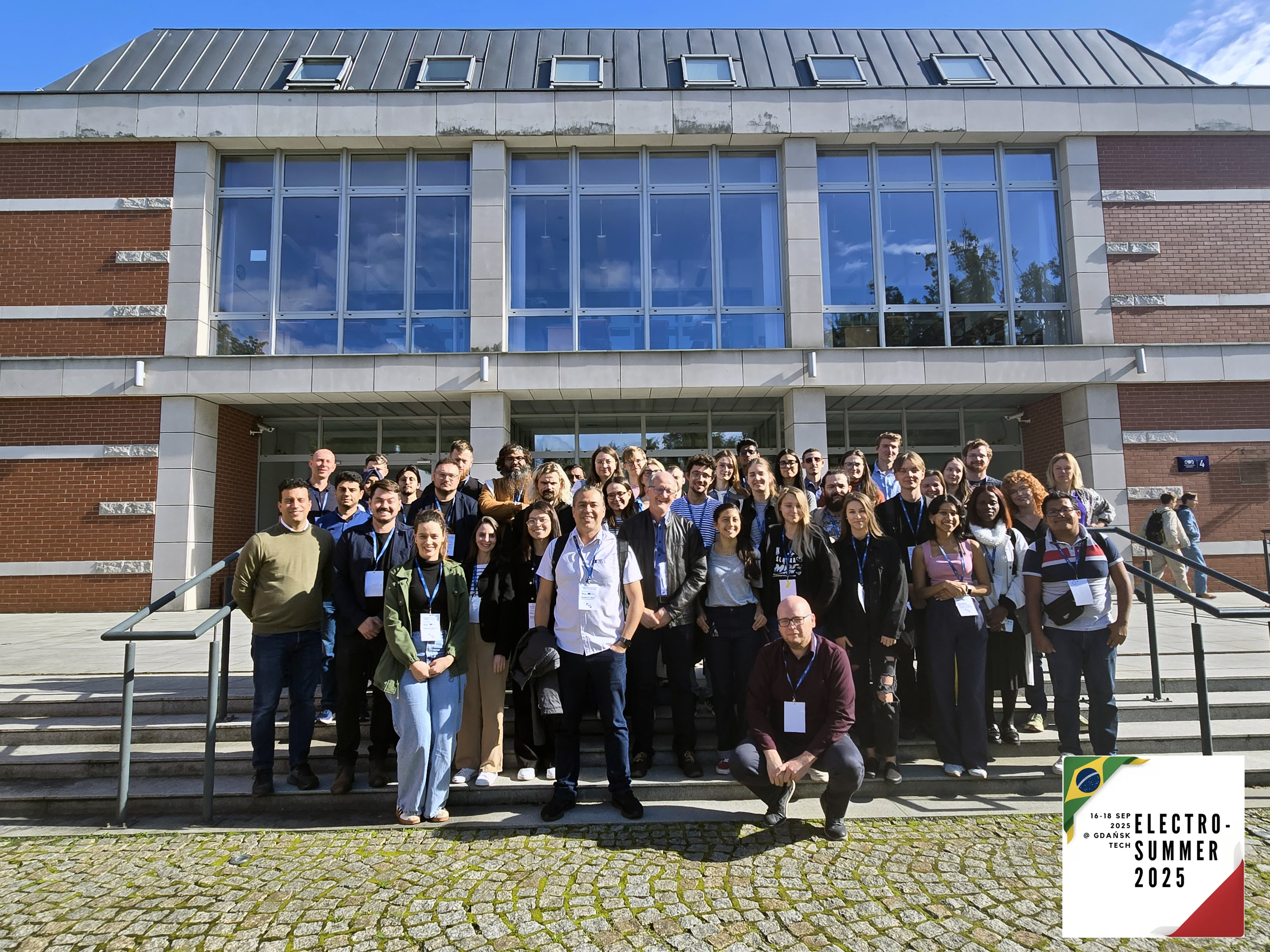
In September 2025, the first edition of the Summer School dedicated to the use of modern additive technologies in electroanalysis was held at Gdańsk University of Technology and proved to be a complete success. The event not only enabled young researchers to gain new knowledge and practical skills, but also served as an impetus for further scientific collaboration and promoted Gdańsk as a city that attracts talent and supports the development of science. The event combined current issues in materials engineering, composite processing, and advanced materials with the field of electrochemistry, creating a unique platform for the exchange of knowledge and experience for young researchers.
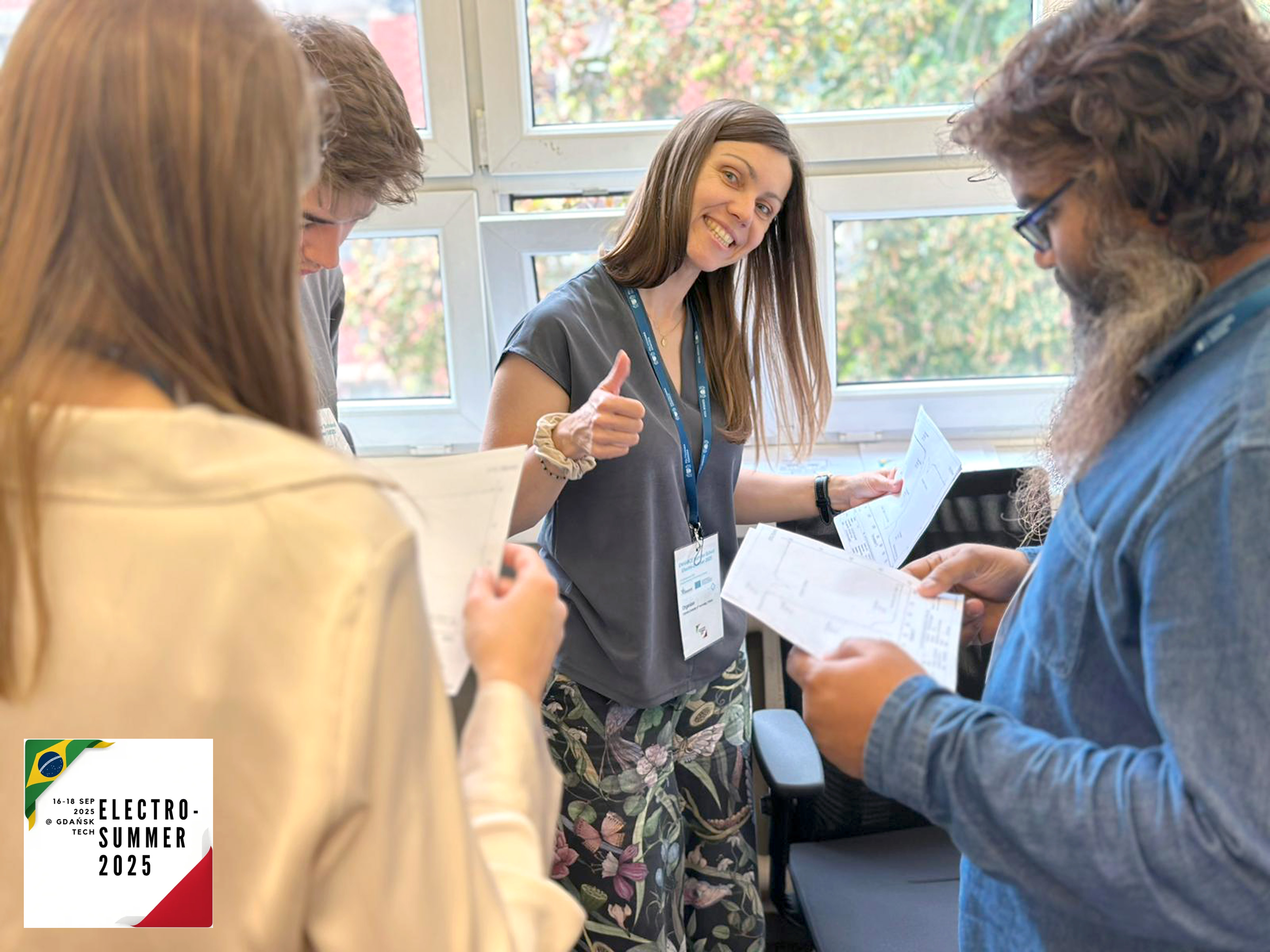
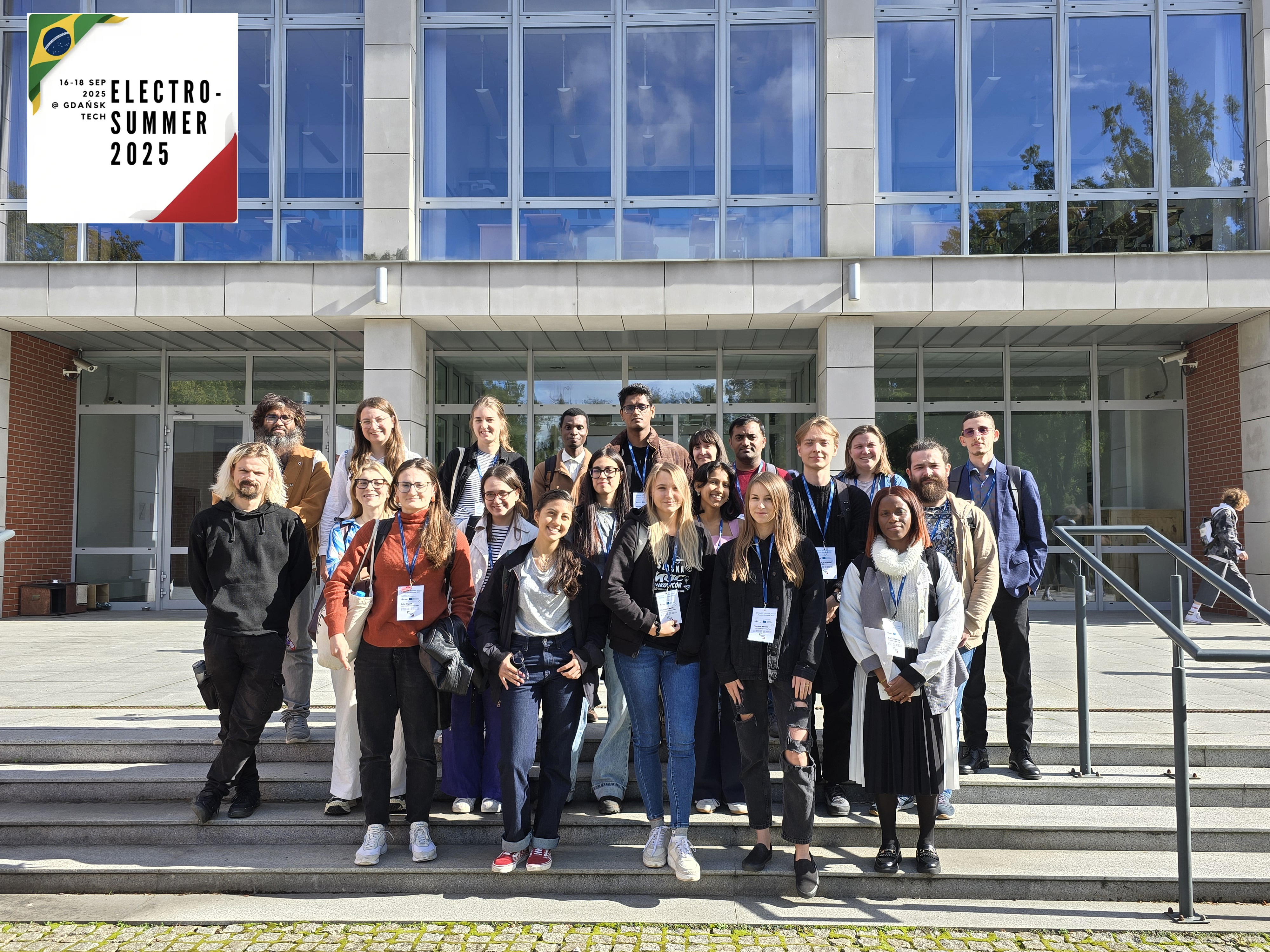
The school was organized by staff from the Department of Electrochemistry and Surface Physicochemistry, Faculty of Applied Physics and Mathematics, Gdańsk Tech, together with Justyna Lubośna, with patronage and financial support provided by the Gdańsk Tech Center for Materials of the Future. A total of 29 participants from across Europe took part, mostly PhD students, but also undergraduate and master’s students. Nearly 50 applications were submitted in total, and the represented institutions included NTNU, Polimi, RWTH Aachen, TU Berlin, Warsaw University of Technology, TU Dortmund, Karlsruhe Institute of Technology, UCAM Murcia, and several Polish universities and PAN institutes.
The school included 8 hours of open lectures streamed live:
The school included 8 hours of open lectures streamed live:
-
Prof. Rodrigo AA Muñoz (Federal University of Uberlandia, Brazil): “Additive Manufactured Electrodes: A New Generation of Low-Cost Electroanalytical Platforms”
-
Dr Raquel Gomes Rocha (University of Warwick, UK): “3D printing applied for electrochemical sensing: from the influence of printing parameters to the activation procedures”
-
Dr Cristiane Kalinke (University Jaume I, Spain): “Sustainable Approaches for the Additive Manufacturing of Electrochemical (Bio)Sensors”
-
Prof. Eduardo Mathias Richter (Federal University of Uberlandia, Brazil): “3D Printing Technology as a Tool for Developing Automated Systems in Laboratories with Limited Infrastructure”
-
Dr Emilia Witkowska Nery (Institute of Physical Chemistry, Polish Academy of Sciences): “Simple sensors – easier, cheaper and more versatile sensing with available materials”
-
Dr Paulo Roberto de Oliveira (University Jaume I, Spain): “Development of Periodic Open-Cell Structures as Flow Reactors for Sustainable Chemical Processing”
The school program included a series of lectures by invited experts from Poland and abroad, as well as a rich block of hands-on lab sessions at Gdańsk University of Technology. Participants also had the opportunity to present their research during a poster session, and the time outside of lectures encouraged discussions and networking.
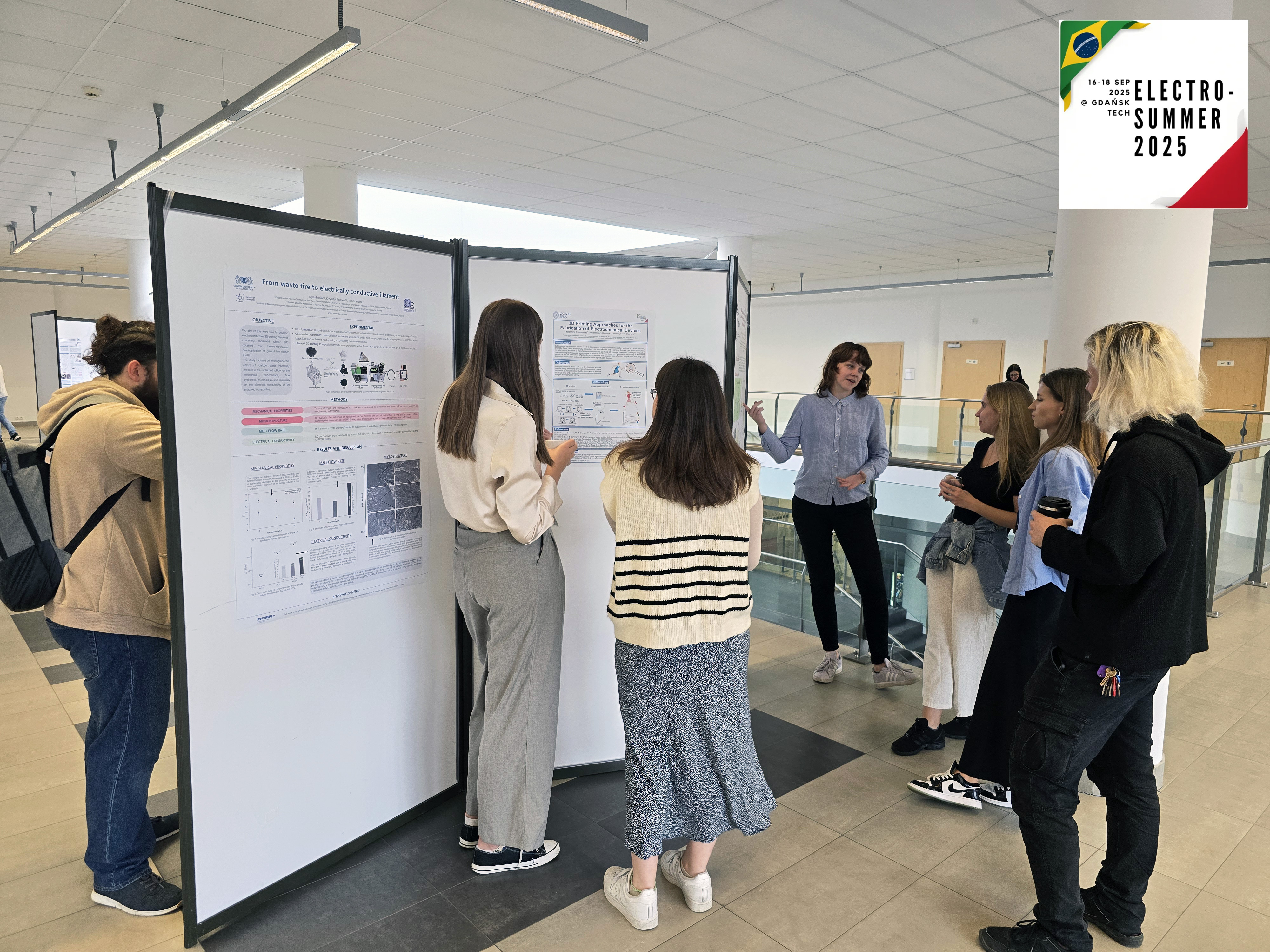
The realization of this project was greatly supported by the Daniel Gabriel Fahrenheit scholarship, whose recipient in the third edition is Gilvana P. Siqueira. The program, funded by the Mayor of Gdańsk in cooperation with the Fahrenheit Universities, supports the best international PhD students conducting research in Gdańsk and fits perfectly with the city’s vision as an open, ambitious, and science-investing hub. Equally important were the IDUB Einsteinum grants (applicant – school organizer, beneficiary – Prof. Rodrigo AA Muñoz), which enabled the establishment of extensive Polish-Brazilian collaboration, crucial to the creation and success of the event.
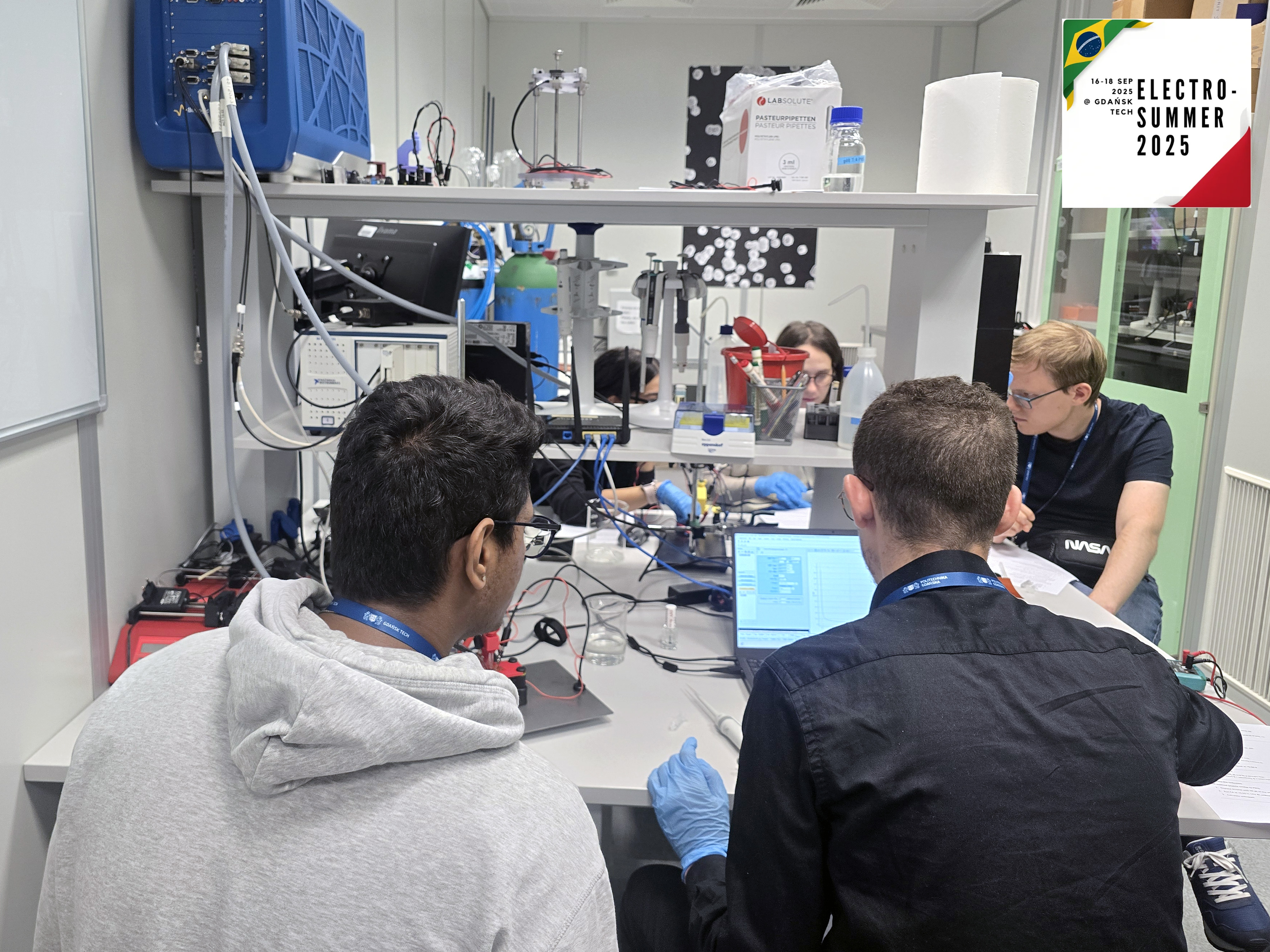
Participant feedback clearly confirmed that the school was received very positively. Surveys highlighted excellent organization and an inspiring atmosphere that encouraged the exchange of experiences between representatives of various scientific fields. It was emphasized as a great opportunity to meet creative individuals and establish valuable contacts. The practical block was also highly appreciated, allowing the application of theoretical knowledge to concrete solutions, such as the use of a mini potentiostat, plasma pen, or 3D-printed electrochemical cells. Many participants rated the event as one of the best they had ever attended, emphasizing its high scientific and organizational quality.
66 views