


Physical Well-being
Exercise has obvious benefits to physical health, but its influence extends far beyond the body. When you are active, you will notice an improvement to your daily mood and outlook, ability to deal with stress and even your job performance. It keeps your heart healthy, your muscles functioning properly and your body in motion.
Movement also benefits your immunity, sleep quality and mood. Often it can help you concentrate better and feel more productive too. As students or employees at universities, a large amount of our day is spent sitting in lectures or doing research, sitting in meetings or sitting at our computers. Make sure to try and fit some form of movement into your day wherever you can.
Studies conducted with university employees found physical activity was associated with better emotional and psychological health, concentration and creativity at work, and reduced absenteeism (Szarek et al., 2024). In one university employee sample, higher levels of self-rated physical activity was positively associated with greater perceived well-being, work performance, and negatively associated with absenteeism (Szarek et al., 2024). University teaching staff who engaged in exercise also reported experiencing less job-related stress and greater teaching-related satisfaction (Zhao et al., 2024). Across working populations, moderate exercise was found to predict better personal accomplishment at work and lower emotional exhaustion (University of Michigan, 2024). In systematic reviews researchers found that workplace physical activity interventions, and simple institutional guidance to include movement in work routines, led to improved employee well-being, reduced stress, and increased work performance (Zhang et al., 2025).
Healthy diet and sleep practices provide important foundations to physical wellness. Workplace wellness interventions demonstrate the potential for organizational programs to improve employee diet and overall well-being. In a pilot workplace intervention conducted with university employees, researchers found that adherence to a micronutrient-dense, plant-rich diet significantly improved participants sleep quality, quality of life, and depressive symptoms demonstrating how dietary intake can play important roles in both our physical and psychological functioning (Sutliffe et al., 2018). Existing literature examining uni life also touches on these behaviours as part of university students and employees daily living routines. For example, one study examining sleep and dietary behaviours of university staff and students assessed their dietary intake along with sleep duration and perceived quality to understand how uni life influenced their well-being (Taeymans et al., 2021). Participants were from a Swiss university, which surveyed their dietary behaviours during the covid-19 lockdown period - a time of increased stress for many university employees and students.

How you can look after your physical health as a uni employee/student:
Things you can try anywhere:
-
Schedule in brief movement breaks throughout the day: Stand up, stretch, walk around for 2-5 mins for every hour you’re sitting down.
-
Make the most of sports/recreation facilities on campus (or local partner facilities off-campus): Do some moderate aerobic exercise (e.g. brisk walking, cycling, swimming) 2-3x per week, and some mobility or strength training (body-weight exercises, resistance bands, yoga etc.) at least once per week. But take small steps and build up as you go.
-
Be active at work: Take calls standing up or walking, always take the stairs, keep a resistance band or foam roller at your desk to stretch.
-
Focus on small steps/cumulative progress – you’re trying to build a habit here, not making giant leaps: E.g. today I will walk for 15 minutes instead of “I’m going to run 5 km”. Small victories > consistency every day
-
Pay attention to how you feel: Associate movement with positive impacts on your mood, energy levels, sleep quality/recovery, etc. Writing this down can help!
-
Look for opportunities for collective/team activity (walking groups, lunchtime workouts etc) to support social + physical health.
-
Try to make simple healthy swaps during the work day - adding fruit or veggies with lunch or having whole-food snacks - to help with maintaining energy and general well-being.
-
Focus on regularity over intensity - any movement is better than none! Remember you’re building a sustainable habit, not trying to be perfect.
-
Try to keep a consistent sleep schedule when you can (same bedtime, no screens before bed) to help with focus, recovery and performance the following day.
-
Try to do some stretching/movement at night or before bed to help with recovery overnight, which will help you at work the next day.
Conclusion
Physical health is one cornerstone of a healthy and sustainable working life. When you integrate movement into your daily work routine instead of viewing it as something extra you “do”, you will help your body and mind, your performance and your quality of life. Whether that is a walk, going to the gym or just stretching at your desk - it all matters. Combined with healthy eating and sleeping habits your daily life, energy levels and long-term health will thank you. Research has found that a healthy diet can improve your sleep quality and quality of life. Sleep also plays a key role in your ability to concentrate and recover.
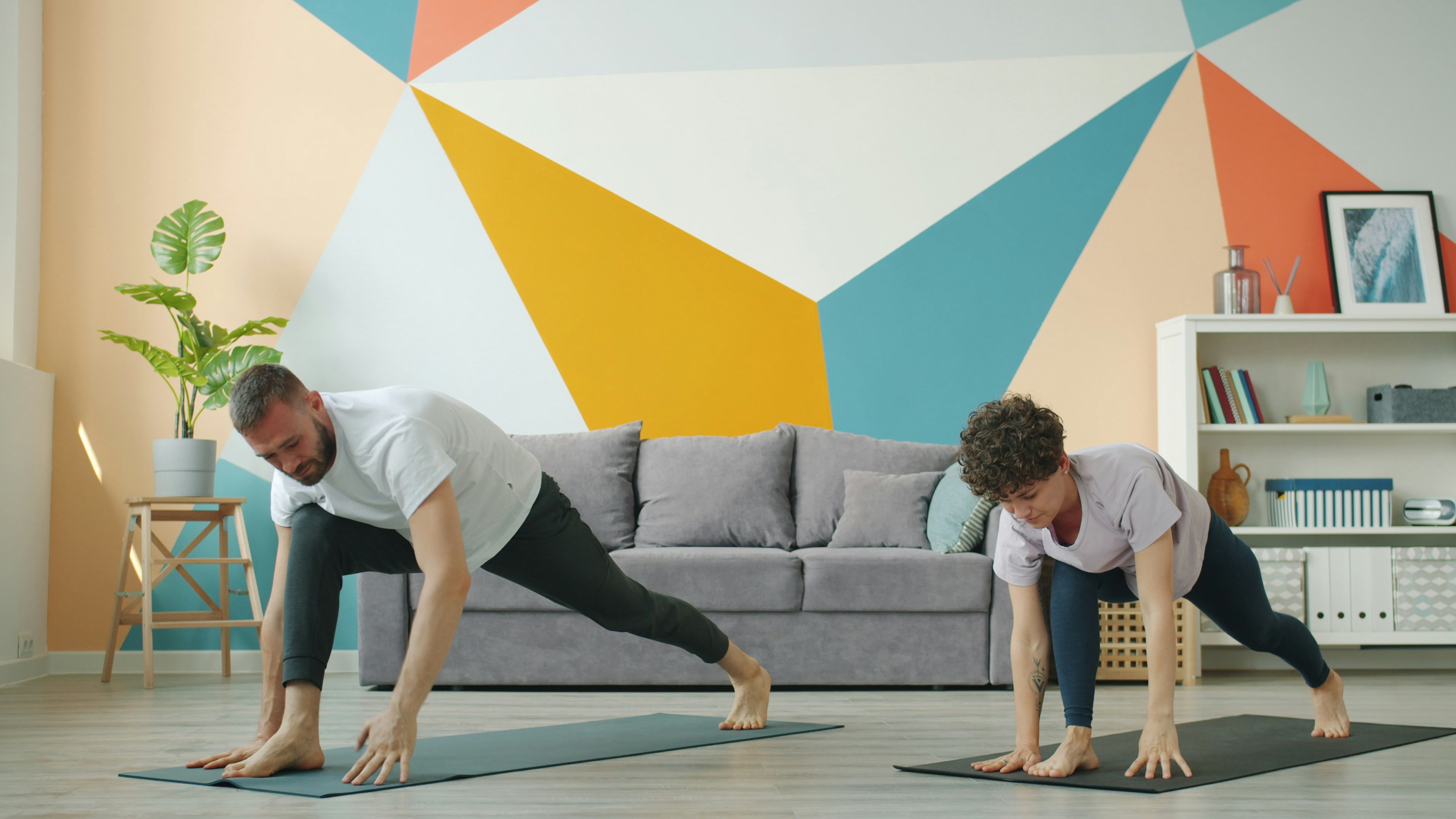
Photo by Vitaly Gariev on Unsplash
References and find out more!
Schaller A., Stassen G., Baulig L., Lange M. (2024). “Physical activity interventions in workplace health promotion: objectives, related outcomes, and consideration of the setting - a scoping review of reviews.” Frontiers in Public Health. Link: https://www.frontiersin.org/journals/public-health/articles/10.3389/fpubh.2024.1353119/full
Sutliffe, J. T., Carnot, M. J., Fuhrman, J. H., Sutliffe, C. A., & Scheid, J. C. (2018). A worksite nutrition intervention is effective at improving employee well-being: A pilot study. Journal of Nutrition and Metabolism, May 2018, Article 8187203. https://doi.org/10.1155/2018/8187203
Szarek S., Bombiak E., Wysokińska A. (2024). “The Role of Physical Activity in the Improvement of Well-Being – the Case of University Staff.” Journal of Modern Science, 56(2), 263-284. DOI:10.13166/jms/188741. Link: https://doi.org/10.13166/jms/188741
Taeymans, J., Luijckx, E., Rogan, S., Haas, K., & Baur, H. (2021). Physical activity, nutritional habits, and sleeping behavior in students and employees of a Swiss university during the COVID-19 lockdown period: Questionnaire survey study. JMIR Public Health and Surveillance, 7(4), e26330. https://doi.org/10.2196/26330
Zhang S., Nie M., Peng J., Ren H. (2025). “Effectiveness of Physical Activity-Led Workplace Health Promotion Interventions: A Systematic Review.” Healthcare, 13(11):1292. DOI:10.3390/healthcare13111292. Link: https://www.mdpi.com/2227-9032/13/11/1292
Zhao M., Yu Y., & Sin K. F. (2024). “The moderating effect of physical exercises on job stress, emotional intelligence, and teaching satisfaction among Chinese University teachers.” Humanities and Social Sciences Communications, 11, Article 599. DOI:10.1057/s41599-024-03108-z. Link: https://doi.org/10.1057/s41599-024-03108-z
Sciences Communications, 11, Article 599. DOI:10.1057/s41599-024-03108-z. Link: https://doi.org/10.1057/s41599-024-03108-z