
Almost 11 million PLN for research for scientists from Gdańsk Tech
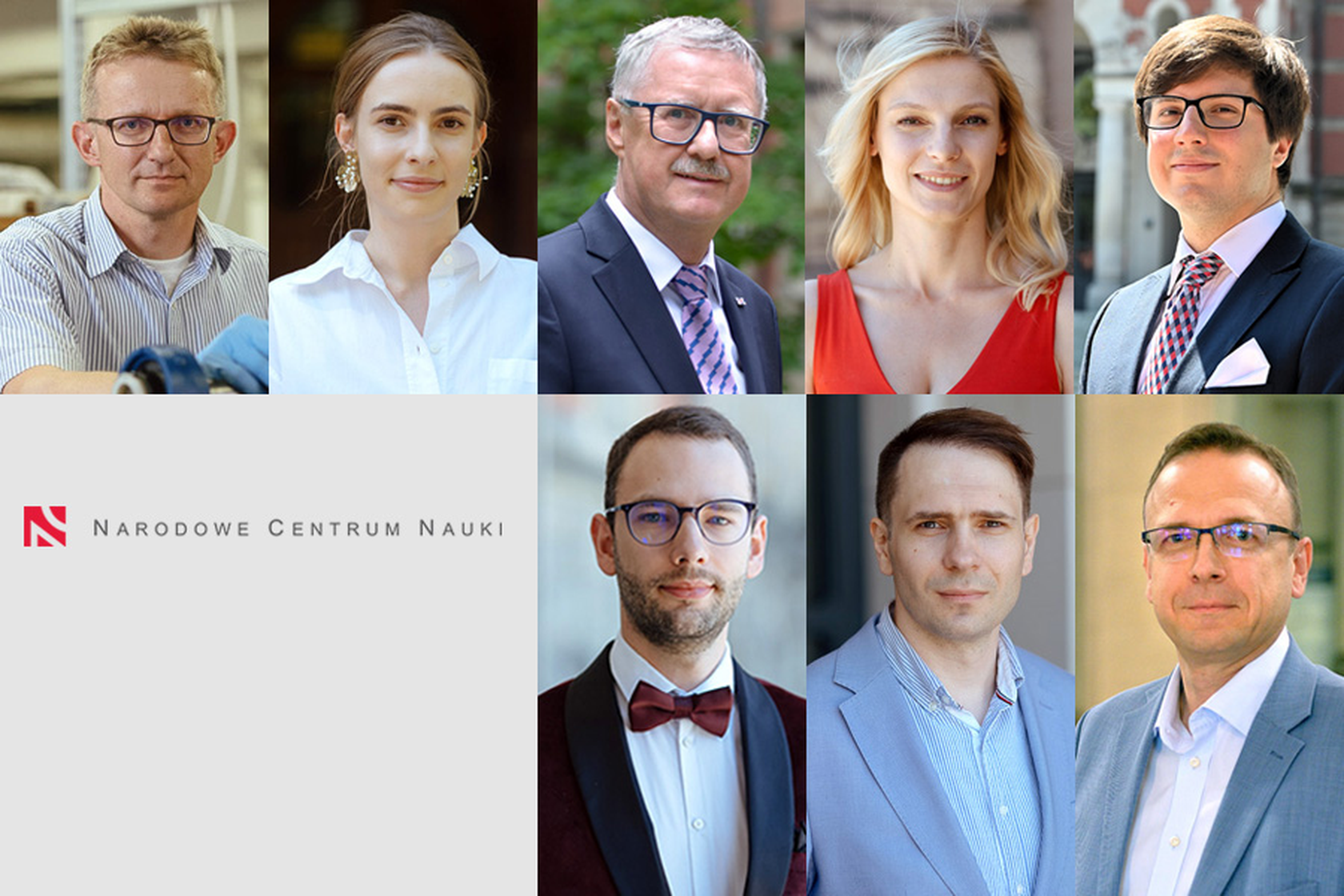
Scientists from Gdańsk Tech secured nearly 11 million PLN in funding for their projects within the OPUS 25, PRELUDIUM 22, and SONATA BIS 13 competitions organized by the National Science Centre. In this round, 8 projects received financial support.
Scientists from Gdańsk Tech secured nearly 11 million PLN in funding for their projects within the OPUS 25, PRELUDIUM 22, and SONATA BIS 13 competitions organized by the National Science Centre. In this round, 8 projects received financial support.
OPUS 25
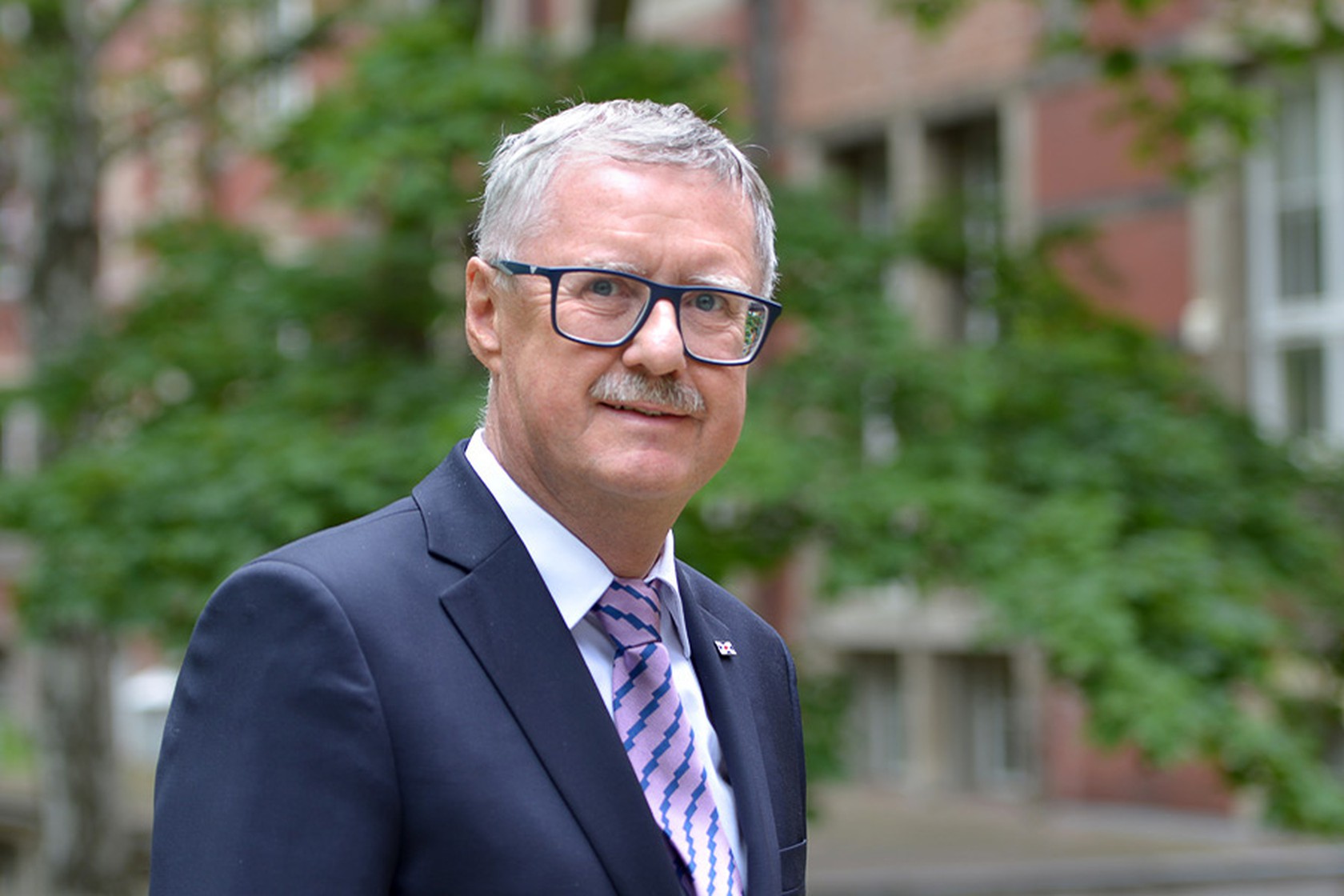
The project "Dangerous Heritage. Harmful Contaminants and Their Identification in the Material of an Industrial Monument and a Model for Its Conservation Protection," project leader: Prof. Jakub Szczepański, Faculty of Architecture, funding amount: PLN 1,097,246.
Project description
Many former industrial plants are abandoned as a result of economic changes or the decline of industry. These sites often gain the status of monuments and are adapted for new purposes. The aim of the project is to examine the relationship between the resources of post-industrial cultural heritage and the contaminants accumulated within it, as well as their potential harmfulness. This issue will be investigated based on the case of the former Gdańsk Shipyard complex.
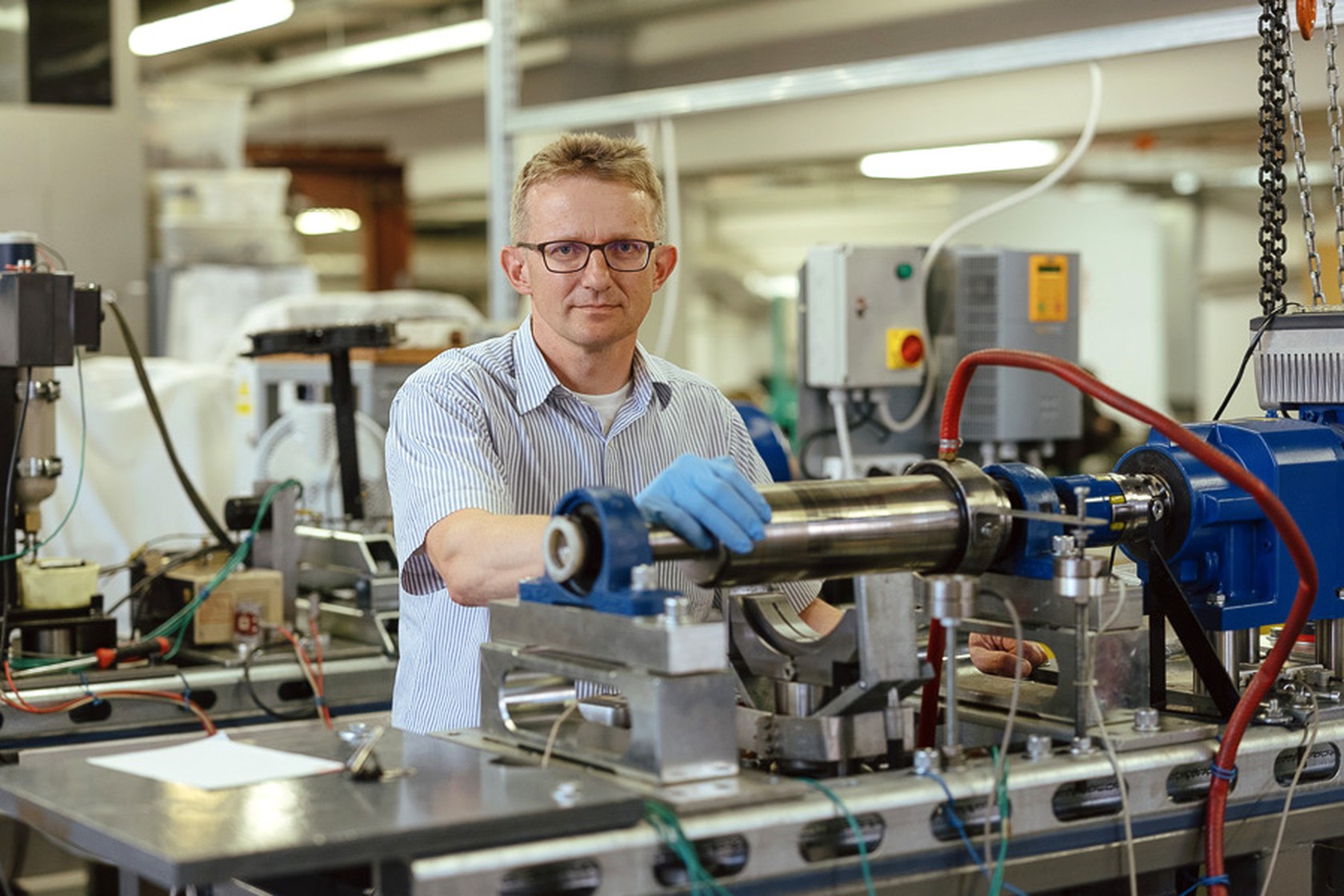
Project „Investigation of phenomena accompanying friction in sliding pairs lubricated with water containing mineral-origin solid particles,” project leader: Prof. Wojciech Litwin, Faculty of Mechanical Engineering and Ship Technology, funding amount: PLN 702,400.
Project description
The main scientific objective of the project is to investigate, examine, and understand the wear process of a metal–elastic polymer sliding pair lubricated with water containing mineral-origin solid particles. A specially designed and recently built testing rig for water-lubricated sliding bearing research will be utilized, allowing for the examination of the wear process in sliding pairs with simultaneous precise recording of motion resistance and temperatures. The project holds both scientific and practical significance. Its completion will enable the acquisition of new knowledge regarding friction and wear processes. Practical knowledge in selecting sliding pairs, shaping their geometry, and the use of the latest CFD and FEM software to create friction joint models will contribute to increasing environmental safety through “green” bearings for applications in water pumps, hydropower, and the shipbuilding industry. Key development directions include, among others, “green tribology,” focusing on the friction and wear of sliding bearings from which harmful substances to the natural environment, especially mineral oils, have been eliminated.
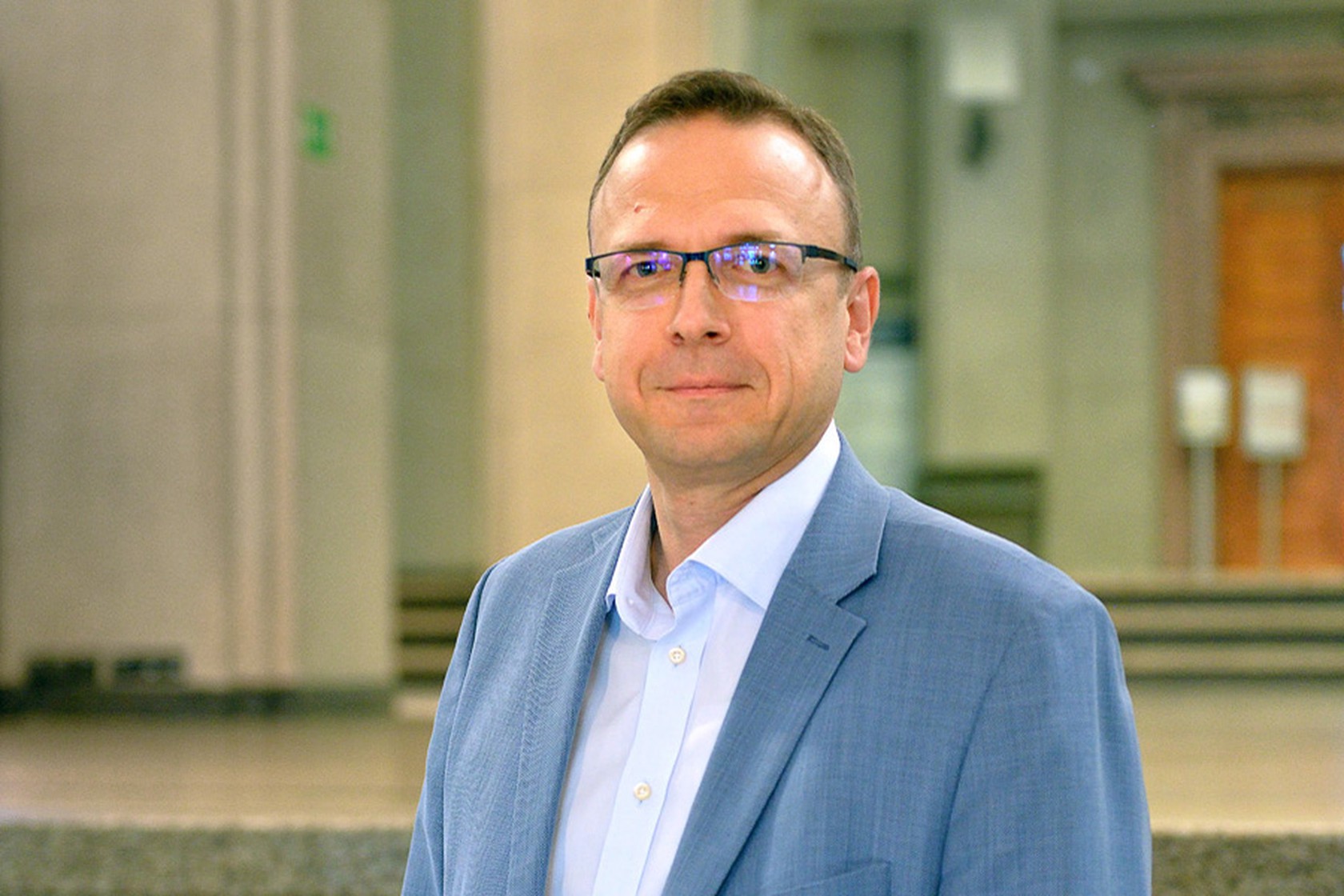
Project "Experimental research and modeling of contamination transformation processes in biochar-sand filters," project leader, Prof. Adam Szymkiewicz, Faculty of Civil and Environmental Engineering, funding amount: PLN 1,725,945.
Project description
Biochars are porous materials obtained from various types of organic waste. The aim of the project is to investigate the applicability of biochar and sand mixtures for removing nitrogen compounds and selected pharmaceuticals from contaminated water. Research will be conducted both in the laboratory and at a pilot facility. Numerical models will also be developed to simulate water flow processes and contaminant removal in biochar-sand mixtures. The project will be implemented by a consortium of Gdańsk Tech and the Institute of Fluid-Flow Machinery, Polish Academy of Sciences.
PRELUDIUM 22
Project "Virtual Reality Technology in Architectural Heritage and Its Impact on Monument Conservation," project manager: MSc Szymon Kowalski, Faculty of Architecture, project supervisor PhD Eng. Piotr Stanisław Samól, funding amount: PLN 189,120
Project description
The project focuses on architectural research of a homogeneous group of historic objects – Dominican churches in Gdańsk, Tallinn, and Pavia – and visualization of their results, presenting a four-dimensional construction history as the variability of the structure over time using Virtual Reality technology. Based on digital inventory using photogrammetry and laser scanning, it is possible to create accurate digital replicas of real objects and then visualize their transformations using 3D computer modeling techniques. This interdisciplinary approach, due to its non-invasive and intangible nature, does not have a destructive impact on the authenticity of monuments and enables "experiencing" history through sensory stimulation and immersion in the digital world with the use of the latest technologies.
Project "Decision Support System for Small Vessel Disease Diagnosis Utilizing Synergy of Machine Learning and Radiomics," project manager: MSc Eng. Maria Ferlin, Faculty of Electrical and Control Engineering, project supervisor PhD hab. Eng. Michał Grochowski, funding amount: PLN 195,200.
Project description
The project aims to analyze the potential application of the synergy of the latest machine learning methods and radiomics for detecting brain changes caused by small vessel disease (SVD). Diagnosing this disease is crucial for preventing cognitive function loss. As part of the research, a system for microbleed detection and segmentation of leukoaraiosis and lacunes will be designed. Subsequently, MRI images will be analyzed in terms of radiomic features to identify those enabling the detection of specific changes. In the final stage, the most effective way to combine these two methods will be investigated.
Project "More than MoS2: Investigation of charge storage mechanisms using in-situ Raman measurements in transition metal dichalcogenides as anode materials for sodium-ion batteries", project manager: MSc Eng. Zuzanna Zarach, Faculty of Chemistry, project supervisor: PhD DSc Eng. Andrzej Paweł Nowak, funding amount: PLN 140,000
Project description
The project focuses on the study of transition metal dichalcogenides (TMDs) as potential anode materials for sodium-ion batteries (SIBs). The main goal is to investigate the chemical and structural properties of these materials and improve their stability during energy storage. The project will employ in-situ Raman spectroscopy, enabling the analysis of processes occurring during energy storage, including those responsible for material degradation and reduced stability. It is expected that these studies will contribute to the development of more efficient and durable energy storage technologies, supporting the advancement of sustainable energy solutions.
Project "Production and Properties of Polyurethane-Wood Composites (PU-WC) Obtained Using Bio-Polyols Synthesized in the Biomass Liquefaction Process", project manager: MSc Eng. Adam Olszewski, Faculty of Chemistry, project supervisor: PhD DSc Eng. Łukasz Piszczyk, funding amount: PLN 70,000
Project Description
Natural, low-emission, and formaldehyde-free wood-based panels – is it possible? Within his project, MSc Eng. Adam Olszewski will focus on producing a new type of polyurethane-wood composites (PU-WC) that have the potential to become such materials. The aim of the project is to investigate the impact of substituting petrochemical polyols with bio-polyols synthesized through the biomass liquefaction process on the properties of PU-WC composites. The developed materials will be characterized by nearly zero formaldehyde emission and reduced environmental impact, while maintaining quality standards sufficient for industrial application. The composites may be used as alternatives to commonly utilized wood-based panels in the furniture and construction industries as well as in packaging production. Introducing the developed composites into mass production could contribute to reducing the consumption of fossil raw materials, limiting the negative environmental impact of the plastics industry, and enhancing the comfort of end-user products.
SONATA BIS 13
Project "New Power Electronics Subsystems with High Power Density as the Basis for Future Hybrid Microgrids," project manager: PhD Eng. Oleksandr Husev, Faculty of Electrical and Control Engineering, funding amount: PLN 2,881,640.
Project Description
The aim of this project is to accelerate the energy transformation through the development of low-voltage hybrid DC and AC microgrids, which can address issues related to the further increase in renewable energy production, vehicle electrification, and environmental pollution reduction. Central to this project are advanced power electronic converters with high power density, which can be considered fundamental for future hybrid microgrids.