Young planners from the Baltic Sea region met at Gdańsk Tech
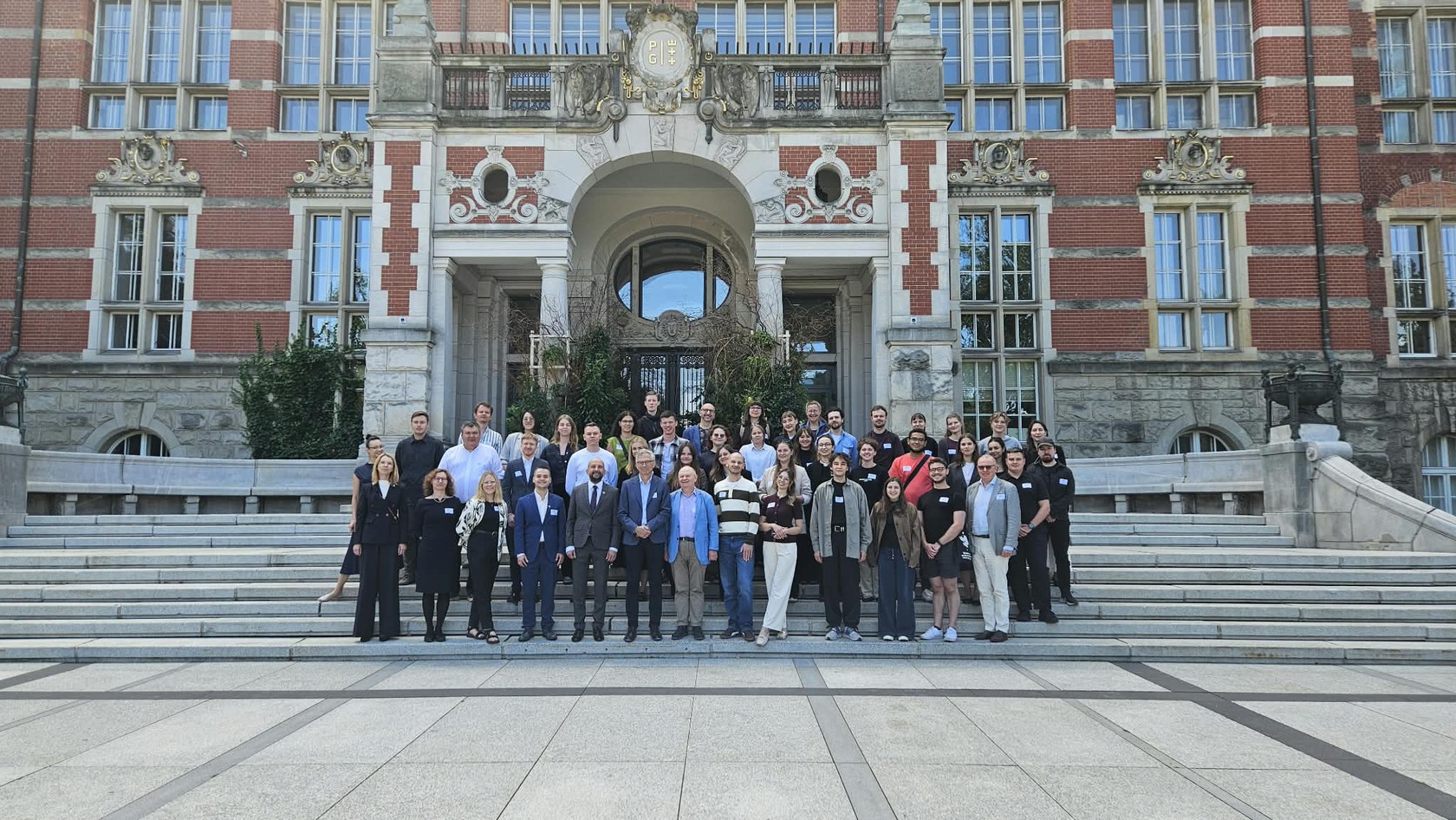
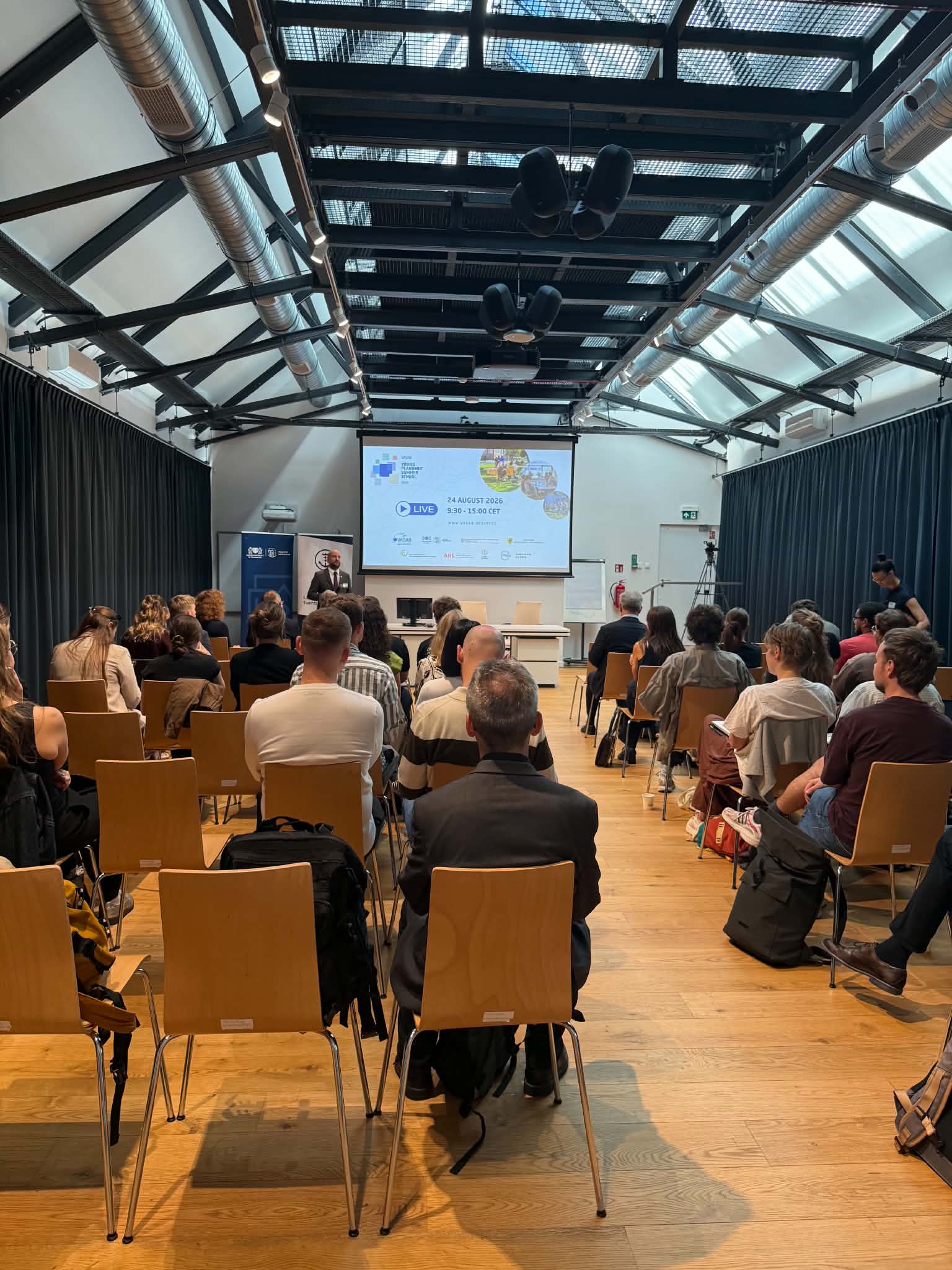
The VASAB Young Planners’ Summer School 2026 “Navigate Planning Through Changes” has commenced at Gdańsk Tech. For several days, 30 young professionals and students from the Baltic Sea region countries and Ukraine will collaboratively work on solutions to the most important contemporary challenges in spatial planning.
The VASAB Young Planners’ Summer School 2026 “Navigate Planning Through Changes” has commenced at Gdańsk Tech. For several days, 30 young professionals and students from the Baltic Sea region countries and Ukraine will collaboratively work on solutions to the most important contemporary challenges in spatial planning.
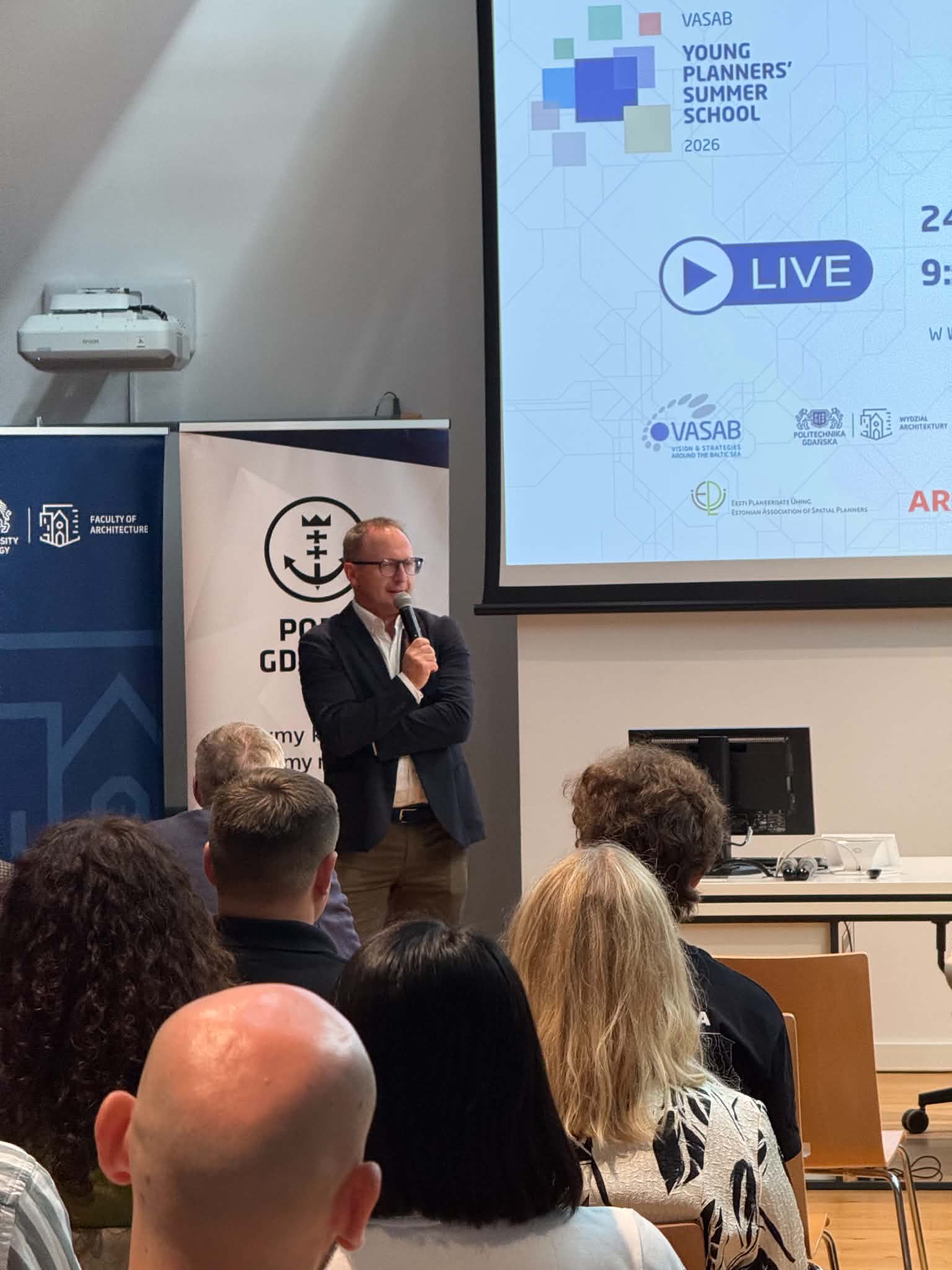
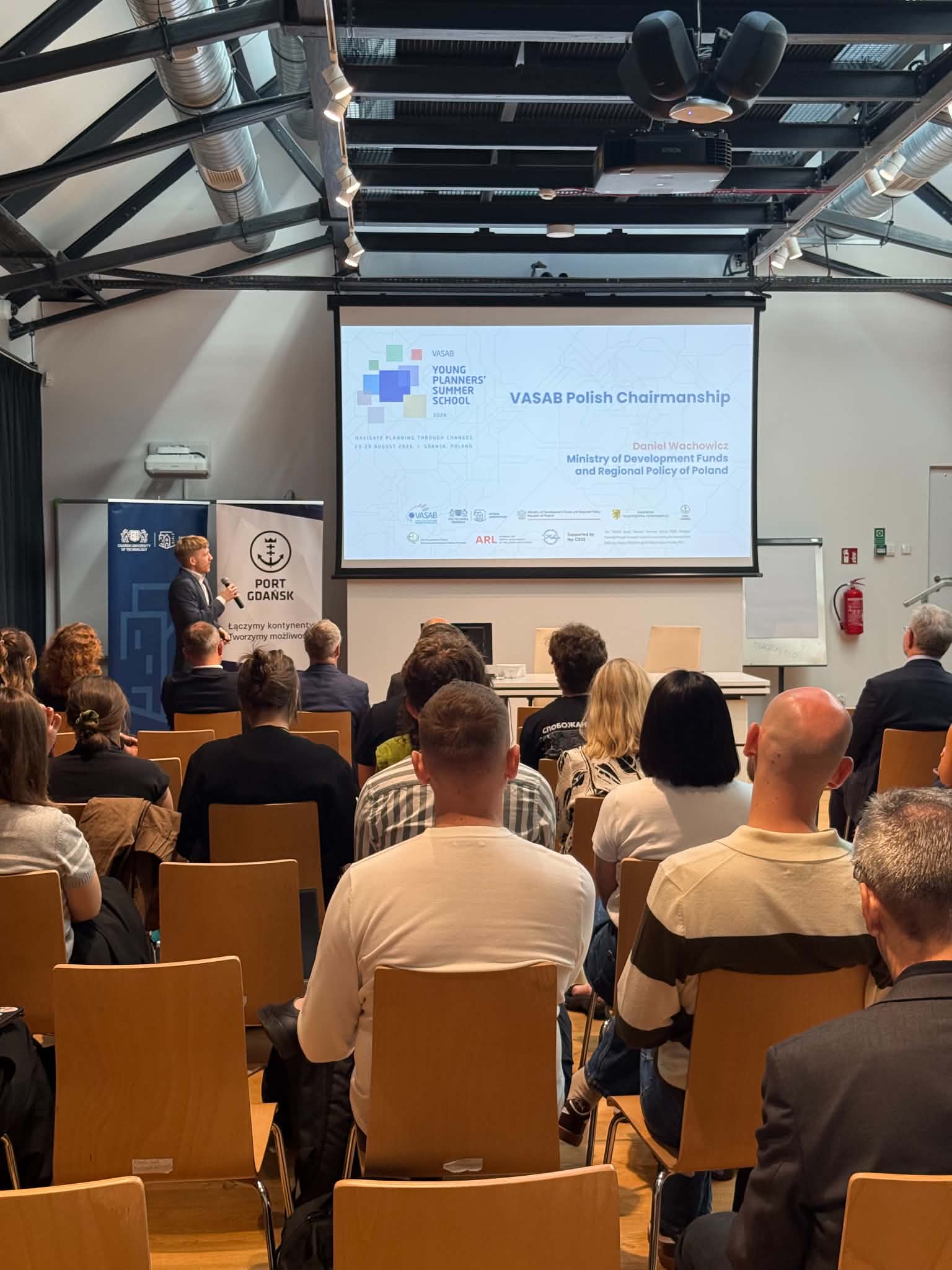
The official opening of the school took place on Monday, August 24th, in the Hydromechanics building at Gdańsk Tech. This year's edition focuses on four areas: spatial resilience and territorial development trends, climate change, mobility and connections between people and places, and the efficient use of space.
Poland Leads VASAB
This year’s third edition of the VASAB Young Planners’ Summer School holds special significance for Poland. In 2025–2026, Poland holds the presidency of VASAB (Vision and Strategies Around the Baltic Sea) – an intergovernmental cooperation of Baltic Sea region countries concerning spatial planning and development. Organizing the school is one of the activities carried out as part of the Polish presidency.
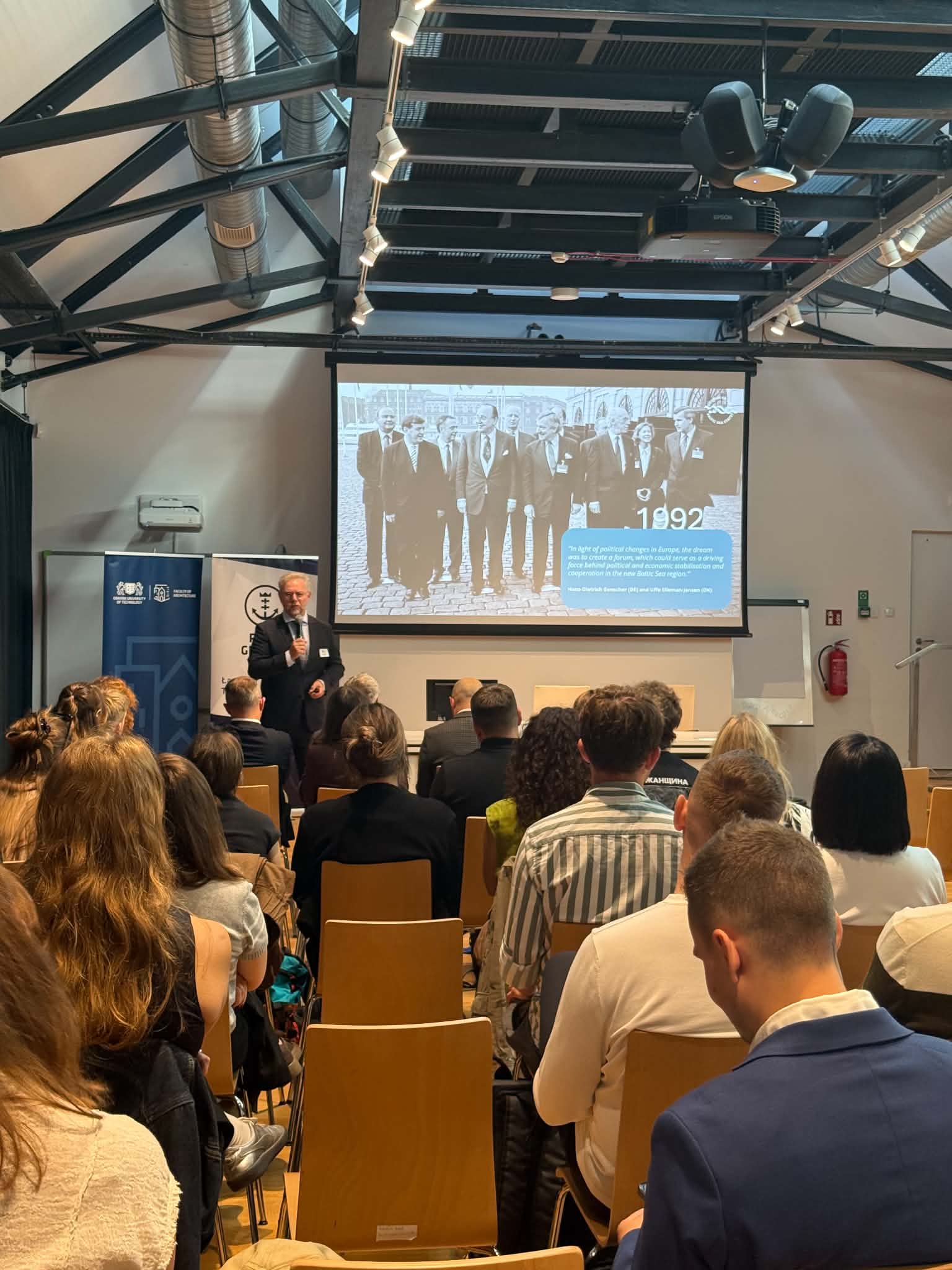
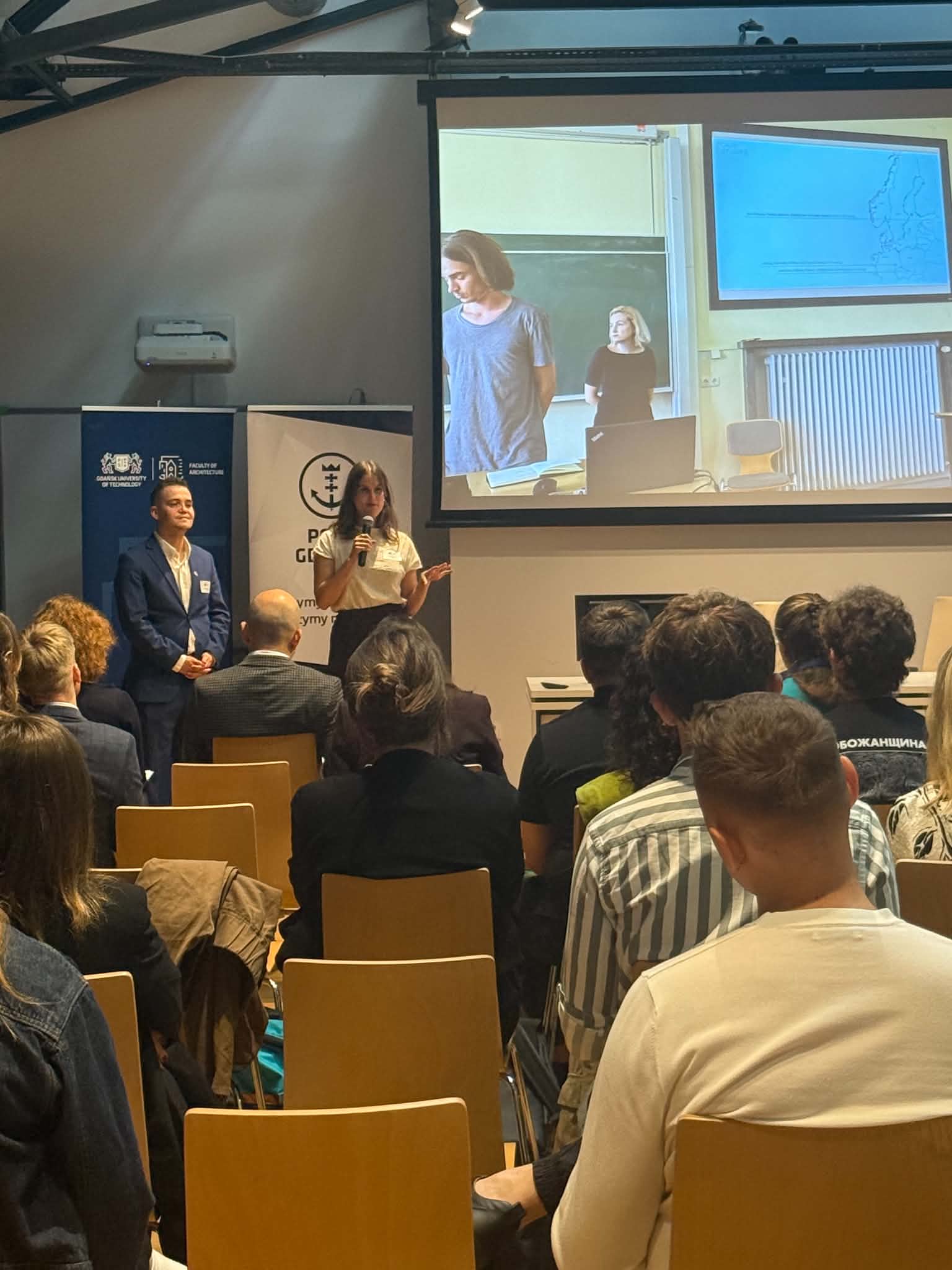
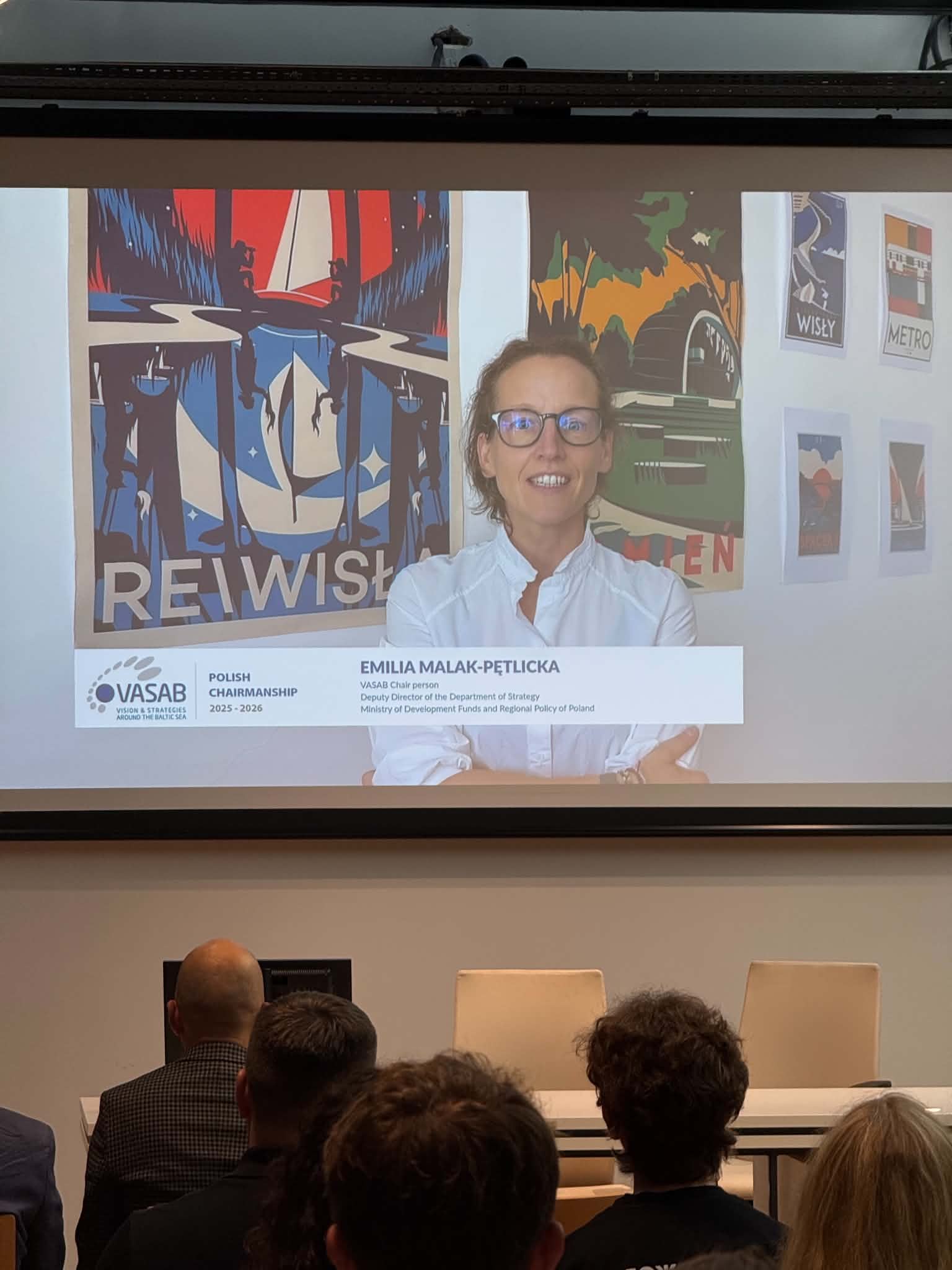
During the opening, participants were welcomed by Marcin Skierawski, Vice-Marshal of the Pomeranian Voivodeship. Emilia Malak-Pętlicka, Chairwoman of the VASAB Committee on Spatial Planning and Development of the Baltic Sea Region, spoke about the Polish presidency in VASAB. The assumptions of the presidency were presented by Daniel Wachowicz from the Ministry of Funds and Regional Policy, and Mārtiņš Ulāns, Director of the VASAB Secretariat, introduced VASAB’s activities. Kazimierz Musiał, Senior Adviser for Regional Identity at the Council of the Baltic Sea States, also took part in the inauguration.
In the continuation of the meeting, experts presented various planning perspectives, from the European and regional level to specific challenges related to the port–city relationship in Gdańsk and Gdynia.
Gdańsk and Gdynia as a Planning Laboratory
One of the most important elements of the school is the study visits and work on real spatial problems of the Tricity and the region. Thanks to this, Gdańsk and Gdynia become a practical laboratory of contemporary planning for the participants.
The analyses will include, among others, the resilience of Stogi and Rudniki to changes and crisis situations, including issues related to the development of Industry 5.0, the energy transformation of the Port of Gdańsk and adaptation to climate change, spatial and social connections between districts, as well as the efficient use of space in the Gdynia Międzytorze area.
The program also foresees visits to places allowing practical insight into the functioning of port, industrial, and investment areas in Gdańsk and Gdynia.
From Diagnosis to Concrete Solutions
The VASAB Young Planners’ Summer School has been planned as an intensive design process. International and interdisciplinary teams go through successive stages of work: from problem identification and analysis of the current state, through preparation of visions and concepts, to the development of an action plan.
Participants are supported by mentors and experts. The school program includes, among others, classes on spatial planning tools, use of artificial intelligence and digital tools, Geographic Information Systems (GIS), energy transformation, design of resilient cities and buildings, and integrated coastal zone management.
In the following days, teams will develop their concepts, consult with mentors, and prepare final proposals. The final presentations before the jury will take place on August 28th in the Hydromechanics building at Gdańsk Tech.
The outcome of the school is expected to be specific recommendations and solutions addressing real spatial challenges of the Baltic Sea region. The winning team will have the opportunity to present their work during the VASAB Directors General meeting in October.
International Cooperation at Gdańsk Tech
The VASAB Young Planners’ Summer School is held in Gdańsk from August 23rd to 29th. Gdańsk Tech is a co-organizer of the event together with the VASAB Secretariat and the Ministry of Funds and Regional Policy. The school is co-financed by the Council of the Baltic Sea States as part of the Project Support Facility, and its organization is supported by the Pomeranian Voivodeship Self-government and the Management Board of the Port of Gdańsk.
From Gdańsk Tech, the event is coordinated by Prof. Karolina Krośnicka, Vice-Dean for Science of the Faculty of Architecture at Gdańsk Tech, together with the team from the Department of Spatial Planning.
A few days of work will conclude with the presentation of specific concepts addressing real spatial problems of the region. The final jury session will demonstrate how young planners translate the diagnosis of local challenges into proposals for possible actions.