
Improving diabetic wound healing: research into biomaterials and radiofrequency stimulation
Researchers in Gdańsk and Zurich will investigate how porous biomaterials, bioactive peptides and radiofrequency stimulation could work together to promote the healing of chronic diabetic wounds. Poland’s National Science Centre (NCN) has awarded more than PLN 2 million to the project under its OPUS 30+LAP/Weave call.
Researchers in Gdańsk and Zurich will investigate how porous biomaterials, bioactive peptides and radiofrequency stimulation could work together to promote the healing of chronic diabetic wounds. Poland’s National Science Centre (NCN) has awarded more than PLN 2 million to the project under its OPUS 30+LAP/Weave call.
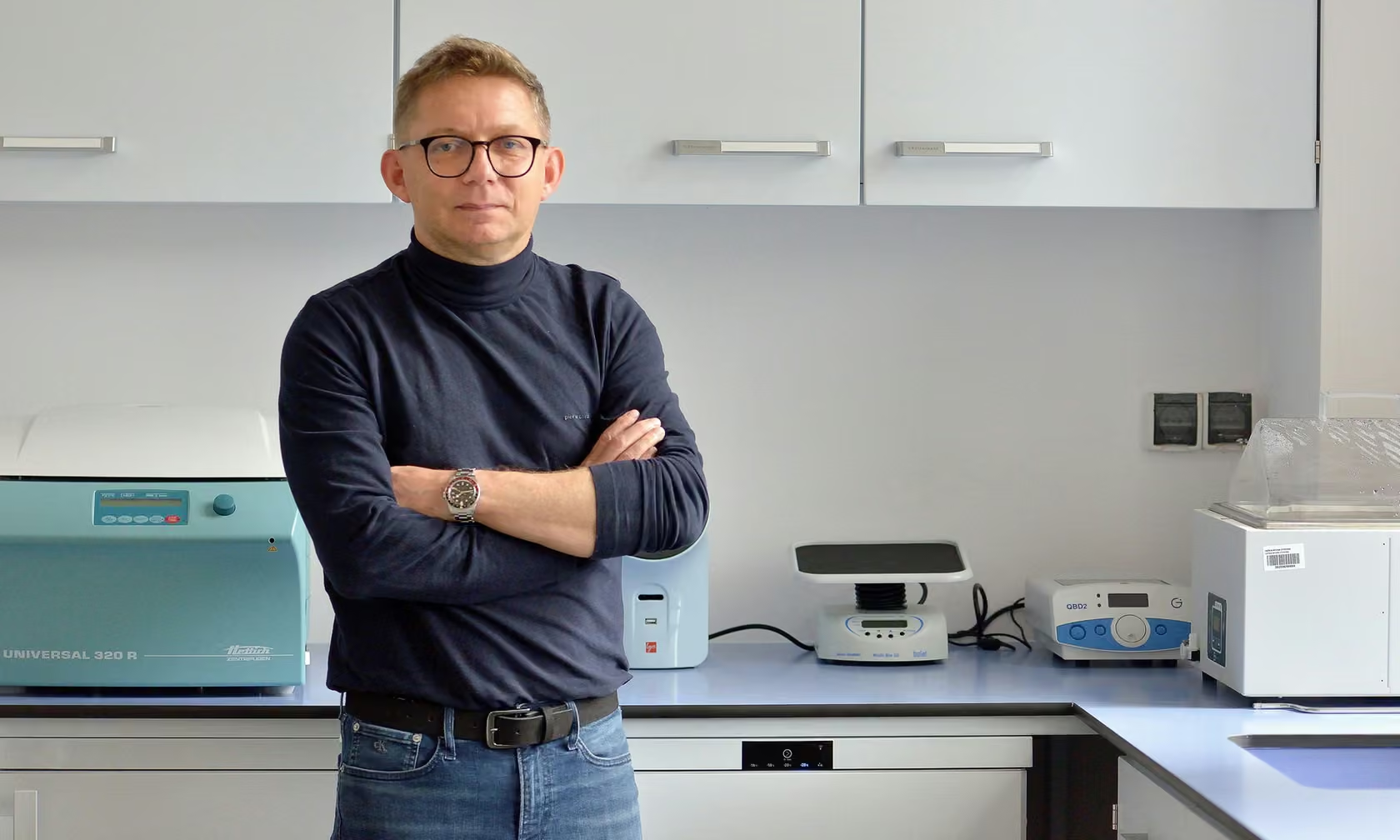
Chronic wounds are a serious complication of diabetes. Impaired innervation, dysregulated immune responses and reduced blood vessel formation sustain inflammation and hinder tissue regeneration. Researchers from Poland and Switzerland will investigate the interactions between these systems and explore ways to restore their balance. Their project, “Modulation of neuro-immuno-vascular balance in chronic diabetic wounds using porous chitosan scaffolds and biochemical-physical stimulation”, will be led by Robert Tylingo, PhD, DSc, Eng., a professor in the Faculty of Chemistry at Gdańsk Tech.
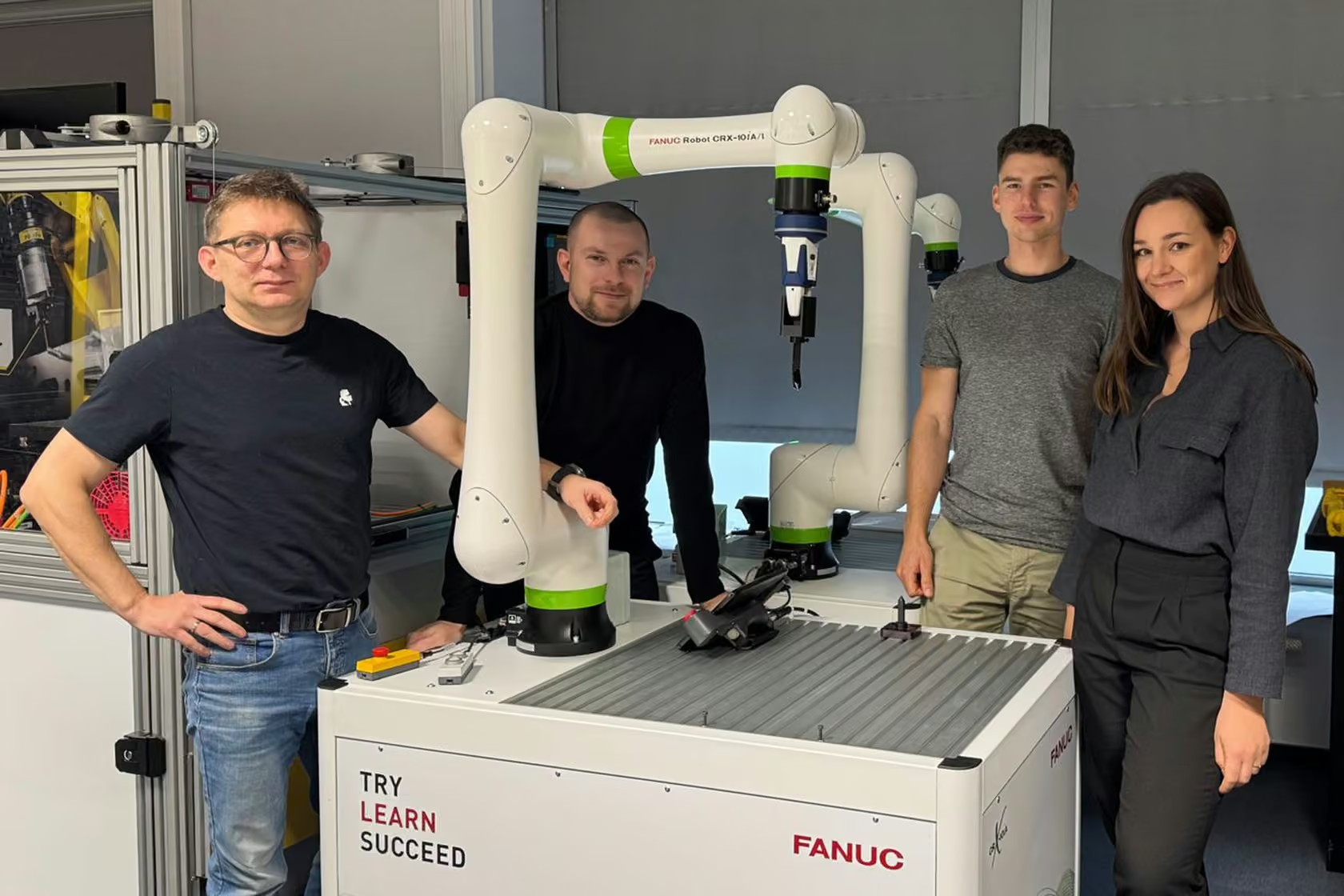
The research team will develop porous hydrogel scaffolds made from chitosan, agarose and type I collagen using robotic 3D printing. The effects of these scaffolds, combined with peptides and radiofrequency stimulation, will be assessed in cell-based studies and preclinical models of diabetic wounds.
Combining biomaterials, peptides and radiofrequency stimulation
The scaffold’s porous structure is intended to facilitate cell infiltration. Peptides bound to the scaffold or encapsulated in microcapsules are intended to promote the recruitment of cells involved in tissue repair, the restoration of nerve supply and the formation of new blood vessels. The microcapsules will be designed to release peptides in response to changes in pH and enzyme activity within the wound.
– The system is designed to work through the combined effects of the scaffold’s composition and structure, bioactive peptides and radiofrequency stimulation – says Professor Robert Tylingo. – We will investigate whether this combination can help restore neuro-immuno-vascular balance, which refers to the coordinated interaction of the nervous, immune and vascular systems in damaged tissue. We will also examine how this approach affects the healing of chronic diabetic wounds.
Polish–Swiss collaboration
The project has been awarded PLN 2,146,126 by the National Science Centre under its OPUS 30+LAP/Weave call and will be carried out by an international research team. Gdańsk Tech coordinates the Polish part of the project and is responsible for developing the scaffolds and optimising radiofrequency stimulation. The University of Gdańsk team, led by Professor Sylwia Rodziewicz-Motowidło, will design and synthesise the peptides and assess their stability and release. Researchers at the University of Zurich, led by Dr Thomas Biedermann, will conduct biological studies to assess nerve and blood vessel regeneration and the immune response.