
Water Supply for the Gdynia Agglomeration. Scientists, Geologists, and Waterworks Experts Join Forces for the Safety of Residents
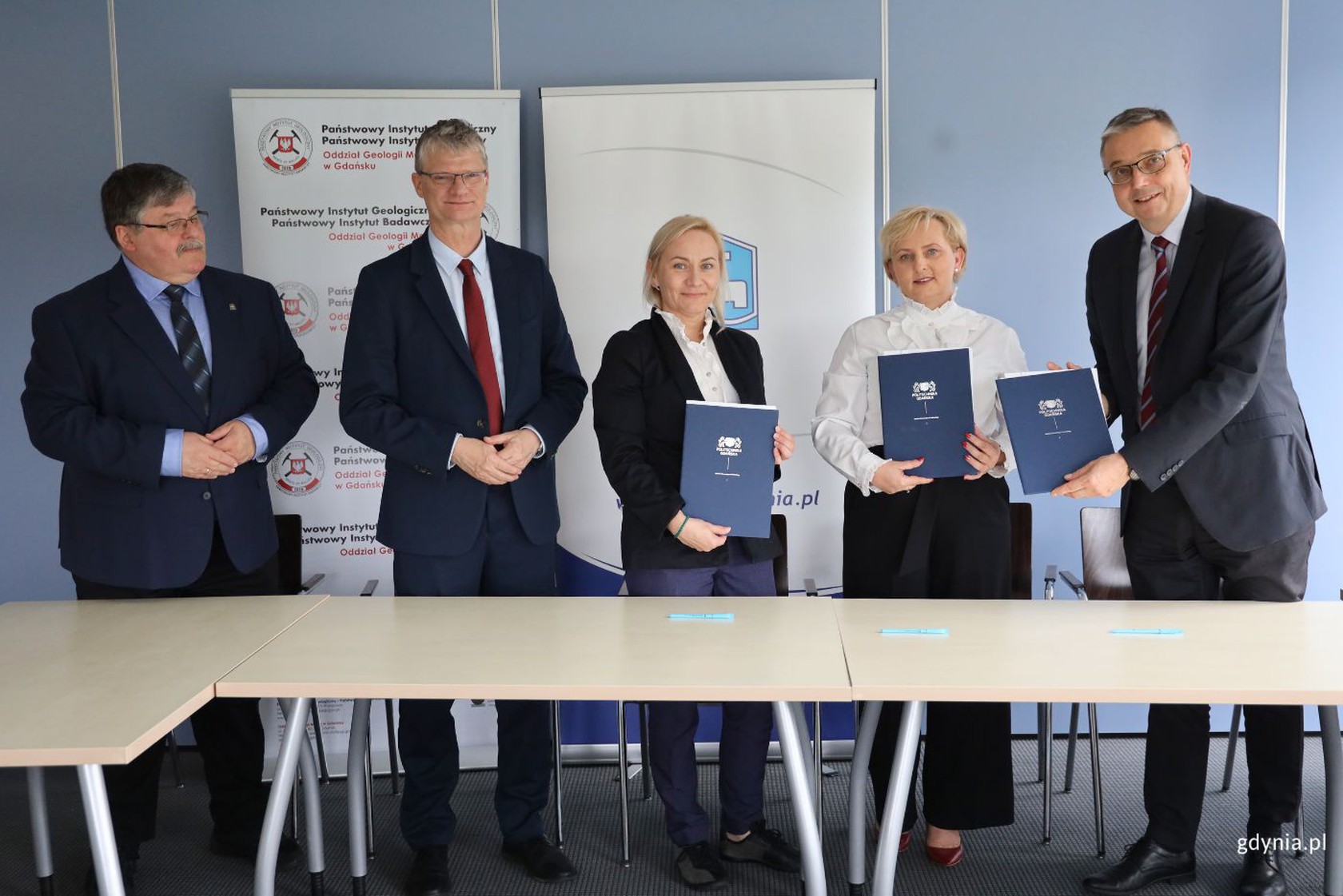
Gdańsk Tech, the Polish Geological Institute – National Research Institute, and the company PEWIK GDYNIA are starting cooperation on a water supply strategy for the Gdynia agglomeration until 2050. The partnership aims to address challenges related to climate change, the phenomenon of hydrological drought, water demand, and the need to ensure residents have stable supplies of this key resource. The ceremonial signing of the letter of intent on this matter took place on Thursday, June 11 at 12:00 PM at the headquarters of PEWIK GDYNIA.
Gdańsk Tech, the Polish Geological Institute – National Research Institute, and the company PEWIK GDYNIA are starting cooperation on a water supply strategy for the Gdynia agglomeration until 2050. The partnership aims to address challenges related to climate change, the phenomenon of hydrological drought, water demand, and the need to ensure residents have stable supplies of this key resource. The ceremonial signing of the letter of intent on this matter took place on Thursday, June 11 at 12:00 PM at the headquarters of PEWIK GDYNIA.
How to ensure access to water for the residents of Gdynia in 10, 20, or 25 years? How to prepare the water supply system for the effects of climate change, drought periods, and the growing needs of a developing agglomeration? Experts from Gdańsk Tech, the Polish Geological Institute – National Research Institute, and the Water and Sewerage Company in Gdynia will jointly seek answers to these questions.
The partners, represented by Prof. Justyna Kucińska-Lipka, Vice-Rector for Development at Gdańsk Tech; Ewa Tarnawska, Deputy Director of the Marine Geology Branch of the Polish Geological Institute – National Research Institute; and the management board of PEWIK GDYNIA: President Jacek Kieloch and Vice President Wiesław Kujawski – in the presence of Gdynia’s Deputy Mayor Rafał Geremek, signed a letter of intent that opens the way to developing a long-term water supply strategy for the Gdynia agglomeration until 2050. The document sets the direction for scientific, research, and expert cooperation aimed at increasing the region’s water security.
A special role in the project will be played by the cooperation between science and practice. Gdańsk Tech will contribute research knowledge and academic potential by engaging experts, scientists, and students.
– Gdańsk Tech brings to this collaboration research expertise, modern data analysis methods, and the dedication of our researchers and students. We are convinced that only through cooperation between the academic community and the socio-economic environment can solutions be created that address the real needs of residents – says Prof. Justyna Kucińska-Lipka, Vice-Rector for Development at Gdańsk Tech. – Water is one of the most valuable resources, and ensuring its availability is currently one of the key civilizational challenges, requiring responsible and long-term planning in the coming decades. Therefore, it is crucial to combine the potential of science, the knowledge of geological experts, and the experience of practitioners managing water supply systems.
The Polish Geological Institute – National Research Institute will provide specialist knowledge regarding water resources and hydrogeological conditions in the region, while PEWIK GDYNIA will share its experience related to the operation and development of the water supply system.
– The cooperation we are initiating today is a way for us to build a resilient system – one that will be able to respond to changing conditions while ensuring stable access to water for residents. This is a task that requires consistency and responsibility, as well as openness to new approaches and technologies. Water is one of those resources that we tend to take for granted until it starts to run out. Meanwhile, climate change and increasing environmental pressure mean we must view water security differently – not in terms of months or years, but decades – says Jacek Kieloch, President of the Management Board of PEWIK GDYNIA. – Besides ongoing infrastructure modernization, we need reliable knowledge about what is happening beneath the earth’s surface, how resources are changing, and what scenarios may face us in the coming years. That is why it is so important for us to combine the competencies of different communities – practitioners, scientists, and specialists in natural environmental processes.
– Water security is becoming one of the most important developmental challenges for modern cities. To effectively plan for the future, it is essential to combine scientific knowledge, practical experience, and reliable data concerning water resources. This is precisely the purpose of our cooperation – emphasize the signatories of the agreement.
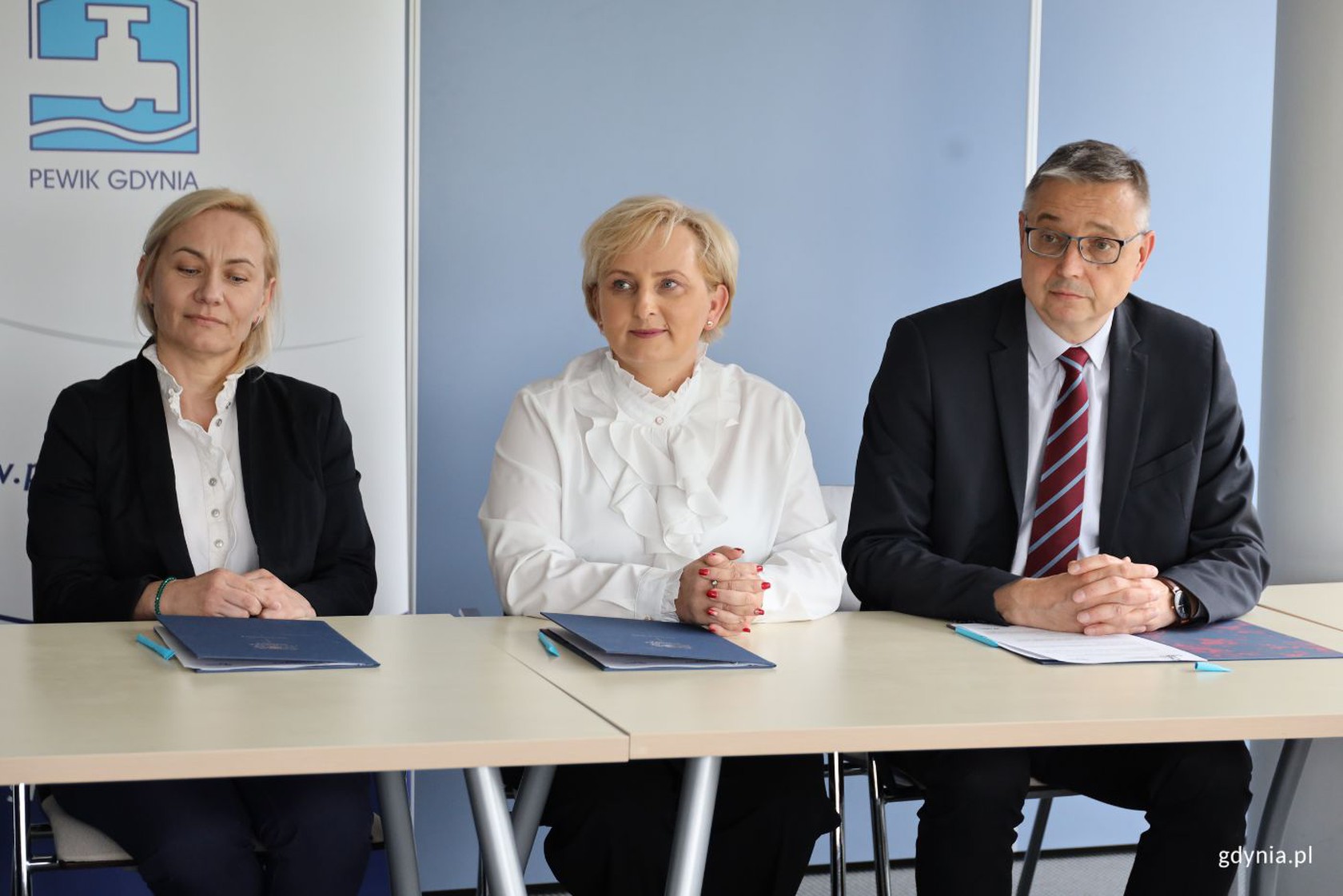
– The goal of the cooperation between the three entities is to develop a long-term strategy for supplying Gdynia with water until 2025. In the face of climate change, increasingly frequent drought periods, and growing pressure on natural resources, the issue of water security is becoming one of the key challenges for local governments. Therefore, it is crucial to combine scientific knowledge, expert experience, and the competencies of municipal institutions in order to effectively plan for the future needs of residents and the city’s development. The partnership in this area is gaining particular, even strategic importance today, as it will not only ensure access to high-quality drinking water but also protect valuable water resources for future generations, emphasizes Rafał Geremek, Vice President of Gdynia.
- Groundwater is a strategic resource that requires special protection – adds Ewa Tarnawska, Deputy Director of the Marine Geology Branch of the Polish Geological Institute – National Research Institute. – Gdynia can boast very good quality drinking water, which is why it is so important that the spatial development of the city takes into account the need to secure the most valuable recharge areas and groundwater intakes. Only responsible planning will preserve this resource in good condition for future generations – says the director of the Polish Geological Institute.
The outcome of the work is to be the creation of a comprehensive strategy indicating the directions of development for the water supply system until 2050, taking into account the needs of residents and the economy as well as the necessity of protecting natural resources.
The signing of the letter of intent is a step towards building a modern model of water resource management, taking into account the needs of cities and municipalities within the scope of PEWIK GDYNIA’s operations.