
Diamond Electrodes in the Fight Against "Forever Chemicals"
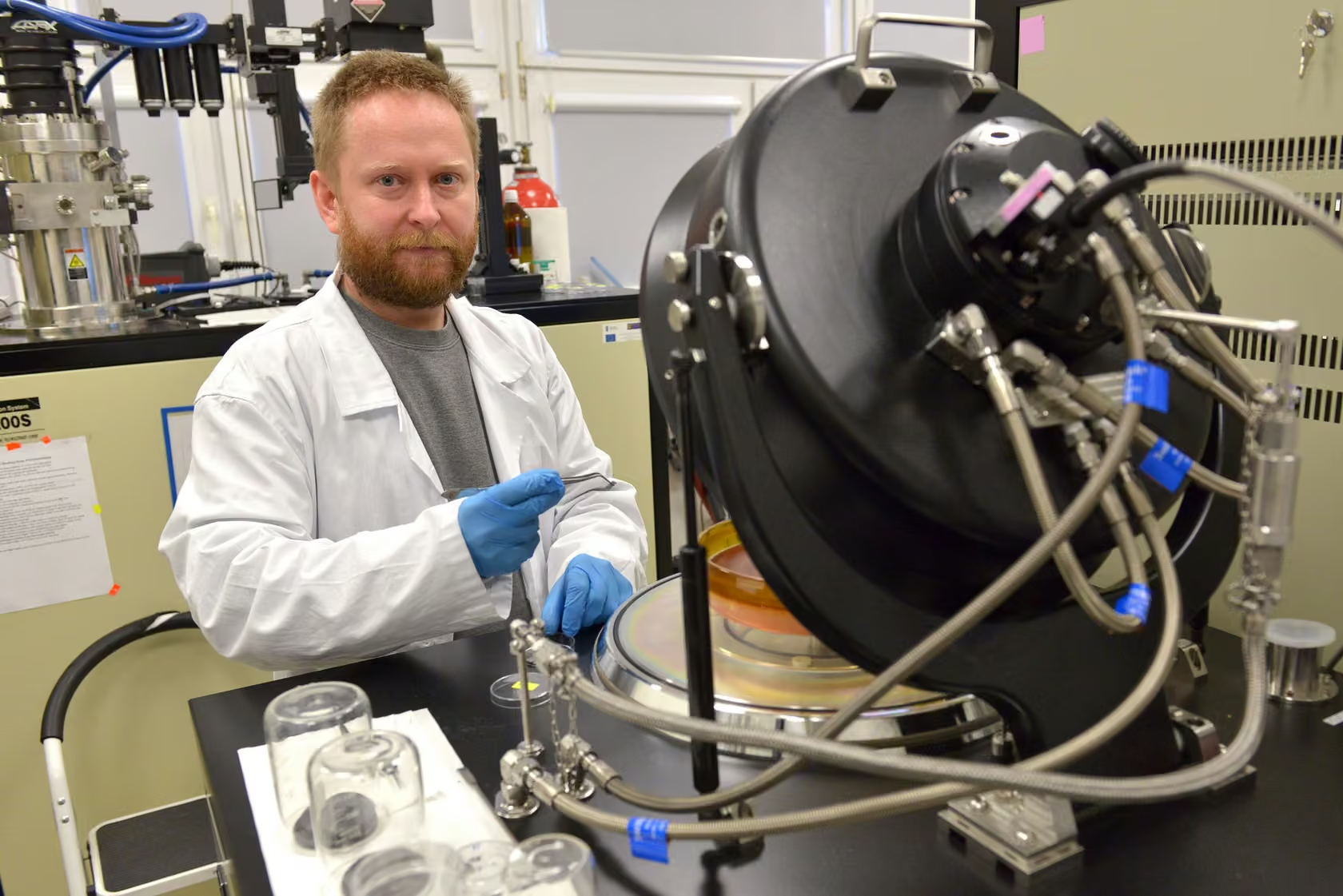
Scientists from Gdańsk Tech and the University of Maribor will develop a new hybrid material designed to capture PFAS compounds, known as "forever chemicals," from water and immediately decompose them using light and electric current. The National Science Centre has granted over PLN 1.6 million for the research (OPUS 30+LAP/Weave competition).
Scientists from Gdańsk Tech and the University of Maribor will develop a new hybrid material designed to capture PFAS compounds, known as "forever chemicals," from water and immediately decompose them using light and electric current. The National Science Centre has granted over PLN 1.6 million for the research (OPUS 30+LAP/Weave competition).
PFAS is a very large family of synthetic compounds. They repel water and oil and are resistant to high temperatures. They can be found, among others, in non-stick frying pans, rain jackets, food packaging, and cosmetics. Their greatest advantage, durability, is also their biggest problem.
In the natural environment, they practically do not decompose but easily migrate with water and accumulate in organisms. Available scientific studies indicate that they may be associated with weakened immunity, liver and thyroid disorders, elevated cholesterol, and some cancers (study 1, study 2). The International Agency for Research on Cancer already recognized PFOA, a compound belonging to the PFAS group, as a human carcinogen in 2023. The European Union is currently processing one of the most comprehensive restrictions on PFAS, covering over 10,000 compounds for most application sectors.
Is it possible to effectively remove PFAS?
As part of the three-year project “Heterogeneous carbon-carbon catalysts for PFAS mineralization: Fundamental studies of photoelectrochemical processes on polymer-diamond electrodes with sp²/sp³ structure (C4PFAS),” scientists from Poland and Slovenia will work on an innovative solution aimed at helping in the fight against PFAS. The leader of the research on the Polish side is Gdańsk Tech.
– Removing PFAS compounds from water is possible today, but mainly by capturing them using activated carbon, ion-exchange resins, or reverse osmosis. As a result, contaminated sludge and concentrates are produced, which then must be disposed of, usually at high temperatures. True destruction of PFAS, such as high-temperature incineration, is still energy-intensive – explains PhD Eng. Mateusz Ficek from the Department of Optoelectronics at the Faculty of Electronics, Telecommunications and Informatics at Gdańsk Tech, who leads the project on the Polish side. – Therefore, we are looking for a material that not only captures PFAS from water but also decomposes them. Current methods usually do one or the other. They either retain PFAS, for example on activated carbon or membranes, shifting the problem to the used filter, or they destroy them but consume a lot of energy in the process.
Two materials in one electrode
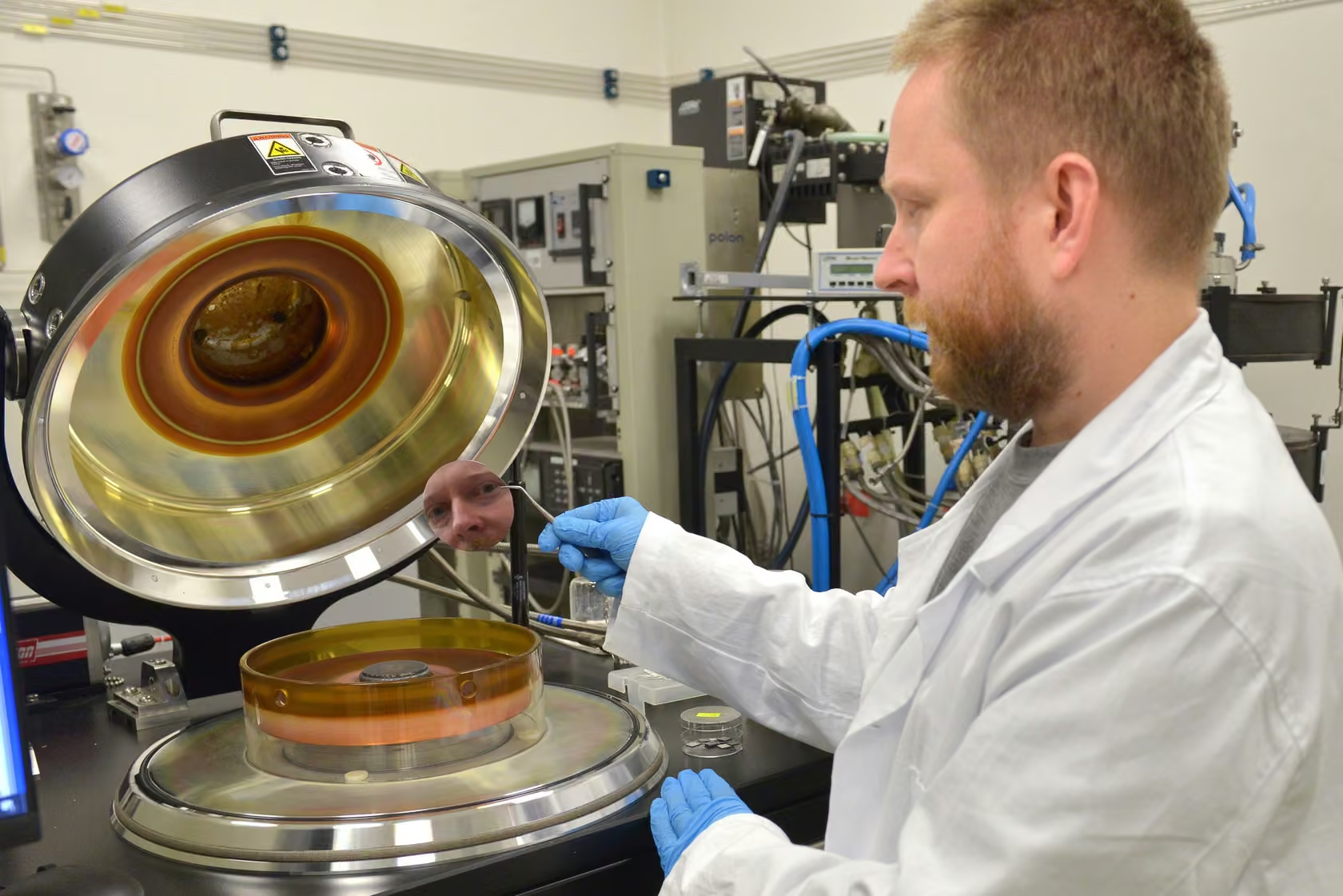
The team from Gdańsk Tech will focus on producing electrodes made of boron-doped diamond nanostructures using microwave plasma and will conduct research on the photoelectrochemical degradation of PFAS. Meanwhile, scientists from Slovenia, led by PhD Sebastijan Kovačič from the University of Maribor, will synthesize fluorinated, porous polymers that selectively attract PFAS and investigate their function as photocatalysts. The most important part of the project will be the joint work of both teams on combining these two materials into a single electrode.
– Each of the two components is known individually. Our previous research showed that boron-doped diamond electrodes effectively degrade PFAS, even to mineralization, which means the complete breakdown of the molecules. On the other hand, fluorinated porous polymers have been studied so far in laboratories as sorbents and photocatalysts – says PhD Eng. Mateusz Ficek. – According to the literature review we conducted while preparing the proposal, no one has systematically combined these two materials into a single hybrid electrode for photoelectrochemical PFAS destruction. These will be among the first such attempts.
The project received funding exceeding PLN 1.63 million in the OPUS 30+LAP/Weave competition of the National Science Centre. This edition is for projects implemented in international collaboration: the Polish team is financed by the NCN, and the Slovenian team by the Slovenian agency ARIS.
Graphene "walls" grown in microwave plasma
PhD Eng. Mateusz Ficek works in the team of Prof. Robert Bogdanowicz (diamondized.eu). He focuses on producing carbon electrodes, especially thin layers of diamond and boron-doped carbon nanowalls. Nanowalls form a dense “forest” of vertically arranged, multilayer graphene walls with a highly developed surface area.
– You could say we grow them in microwave plasma. By adjusting the gas composition and dopants, we can tailor their structure and electrical properties for specific applications – explains the scientist. – Such materials have broad uses, from electronics and sensors to environmental protection. The latter area, i.e., water purification from persistent contaminants such as PFAS, is what I will focus on in the C4PFAS project.