Gdańsk Tech, Bechtel, and the University of South Carolina Initiate Collaboration to Develop Competencies for Nuclear Energy
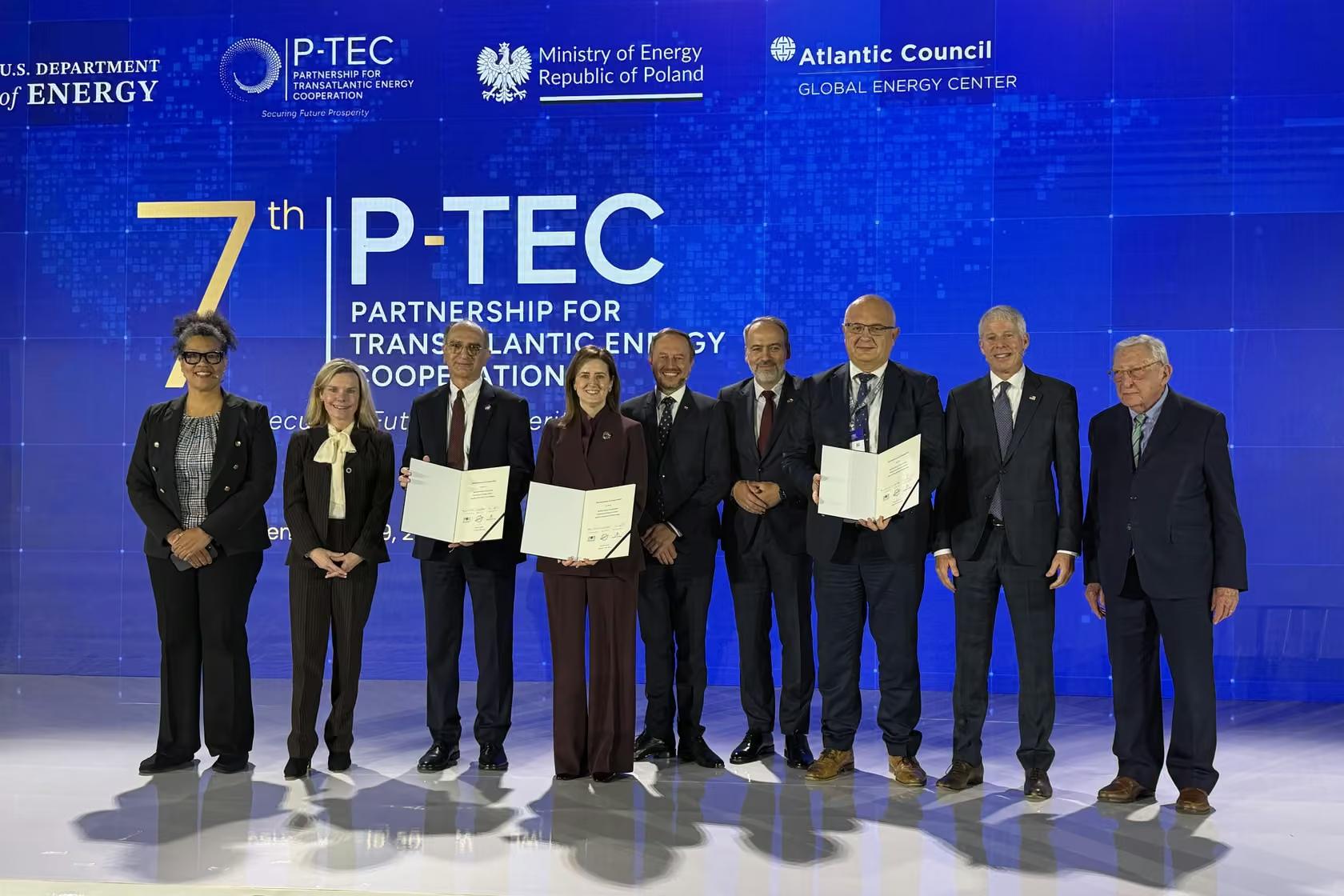
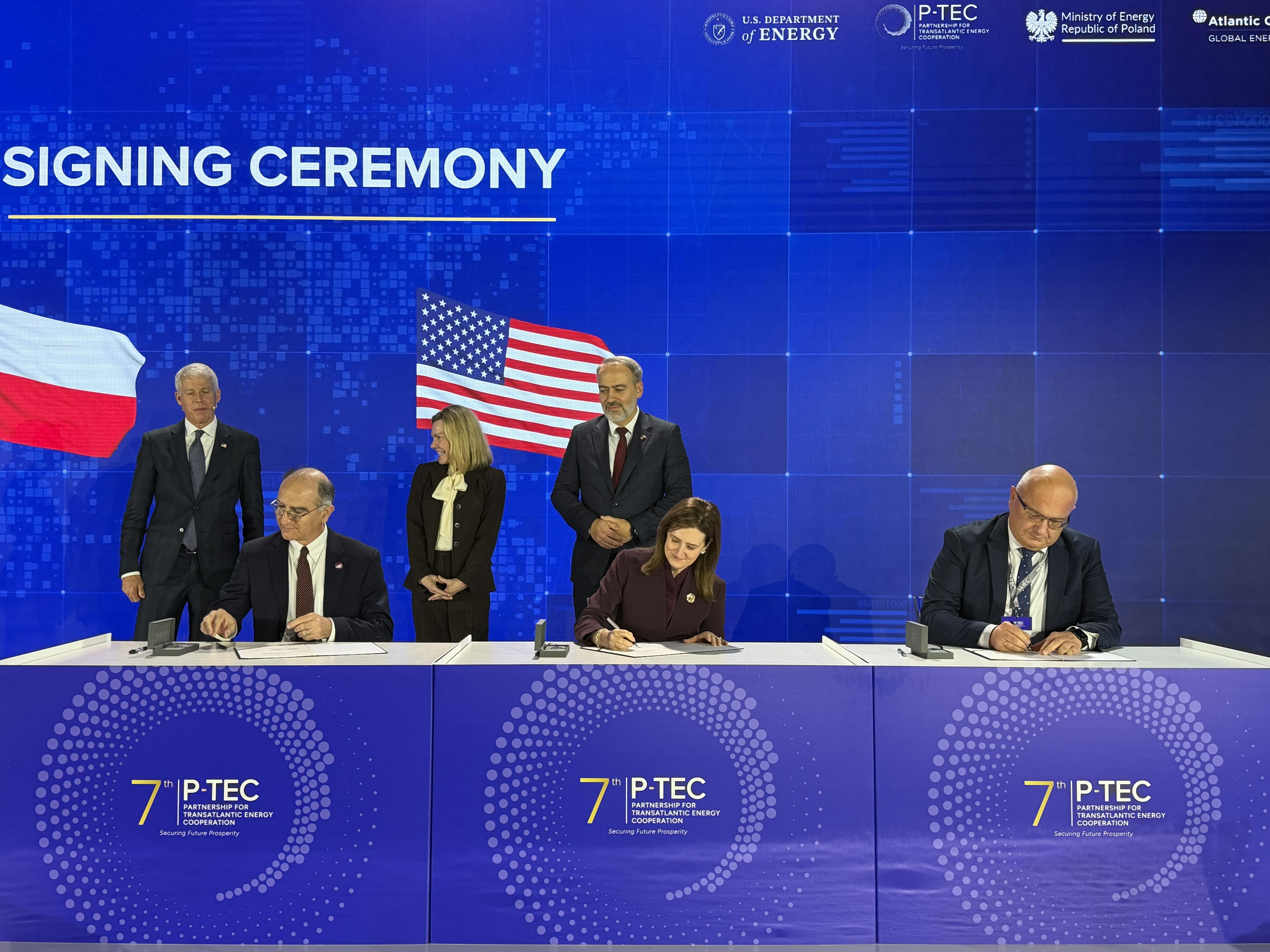
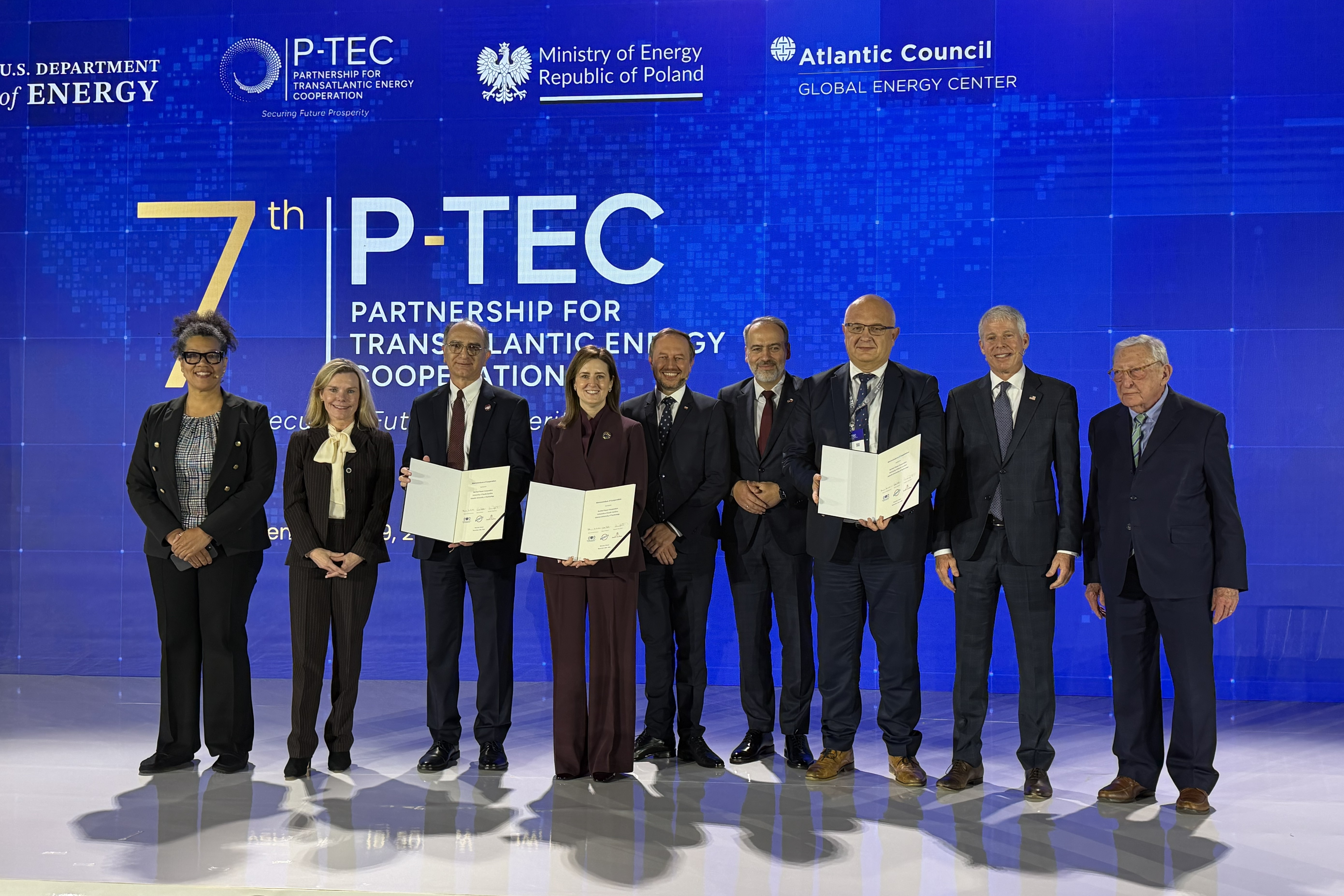
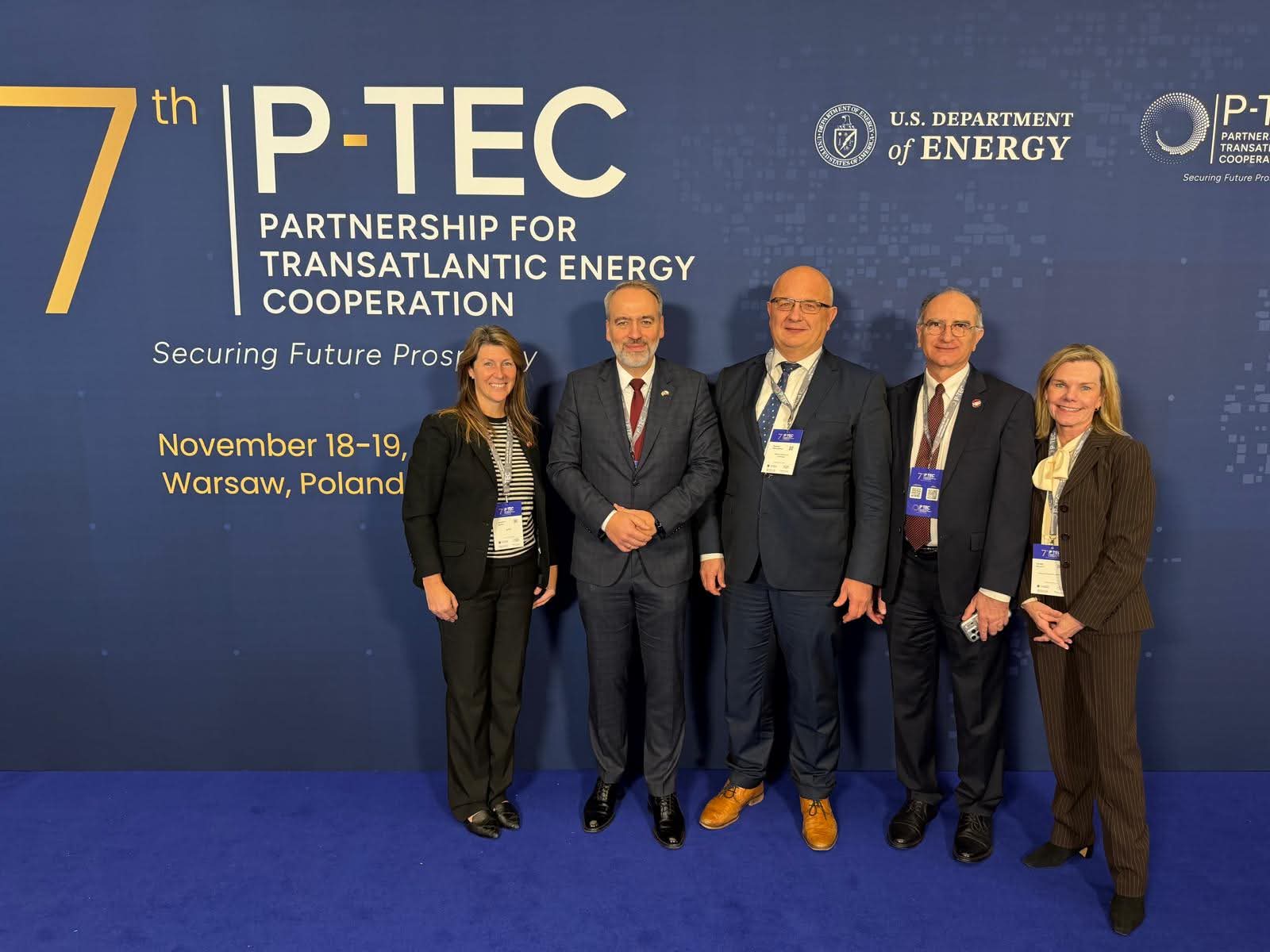
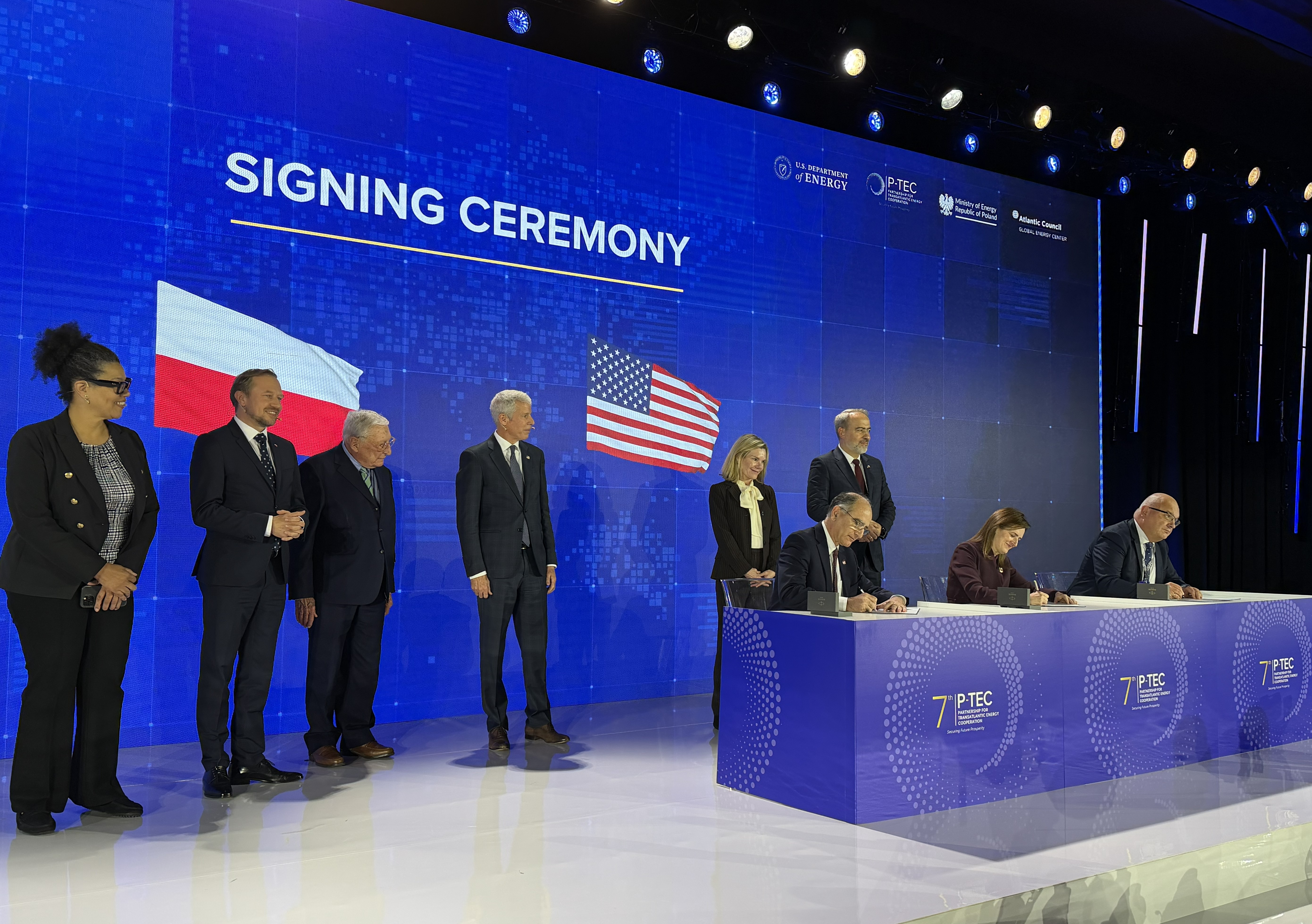
Gdańsk Tech, Bechtel, and the University of South Carolina, through the Molinaroli College of Engineering and Computing, signed a Memorandum of Cooperation on November 18, 2026, during the transatlantic Partnership for Transatlantic Energy Cooperation (PTEC) 2026 summit in Warsaw, opening a new chapter of collaboration between the academic communities of Poland and the United States in the field of nuclear energy.
Gdańsk Tech, Bechtel, and the University of South Carolina, through the Molinaroli College of Engineering and Computing, signed a Memorandum of Cooperation on November 18, 2026, during the transatlantic Partnership for Transatlantic Energy Cooperation (PTEC) 2026 summit in Warsaw, opening a new chapter of collaboration between the academic communities of Poland and the United States in the field of nuclear energy.
The agreement establishes a framework for long-term exchange of knowledge, experience, and competencies between the two universities, with the support of Bechtel, a global leader in the execution of large infrastructure and nuclear power projects and the general contractor for the construction of Poland's first nuclear power plant, which will be built at the Lubiatowo-Kopalino site in Pomerania, with Polskie Elektrownie Jądrowe (PEJ) as the investor.
As part of the Bechtel-Westinghouse consortium, Bechtel is responsible for the design, procurement, and construction of the nuclear power plant utilizing Westinghouse's AP1000 technology. Bechtel has over 70 years of experience in the nuclear industry and has participated in more than 150 nuclear projects worldwide, including the completion of the Vogtle nuclear power plant—the first new nuclear plant in the USA in over 30 years, also featuring AP1000 technology.
Combining Expertise from Poland and the United States
The agreement was signed during PTEC 2026, one of the key events dedicated to energy cooperation between the United States and Central and Eastern Europe, gathering representatives from administration, leading energy sector companies, and institutions involved in the development of strategic infrastructure.
Thanks to the agreement signed at PTEC, the parties will jointly identify areas where the combination of academic knowledge from Poland and the United States with Bechtel’s global industrial experience can enhance education and support the workforce needs of the developing nuclear energy sector in both countries.
– The development of nuclear energy requires not only technology and infrastructure but above all people, knowledge, and competencies – said Dena Volovar, President of Nuclear, Security & Environmental at Bechtel. – This agreement combines the potential of two leading universities in Poland and the United States with Bechtel's experience in implementing nuclear projects. Our goal is to create a lasting platform for knowledge exchange that will support the development of the workforce needed both to carry out ambitious nuclear energy programs and to maintain the nuclear sector for future generations.
Transatlantic Academic Cooperation
The collaboration connects Molinaroli College at the University of South Carolina and Gdańsk Tech to strengthen the link between education and the evolving needs of the nuclear sector. In cooperation with Bechtel, the universities will analyze opportunities for exchanging knowledge and experiences as well as preparing future personnel to support the development of nuclear energy in Poland, the United States, and beyond.
– This partnership project provides our universities with the opportunity for mutual learning and a closer integration of interdisciplinary engineering education with the needs of the evolving global nuclear sector – said Hossein Haj-Hariri, Dean of the Molinaroli College of Engineering and Computing at the University of South Carolina. – We are pleased to begin this collaboration with Gdańsk Tech and Bechtel and to jointly explore practical ways in which our combined expertise can help prepare the next generation of engineering specialists for the future of nuclear energy.
Starting Point for Long-Term Cooperation
The signing of the memorandum coincides with a significant moment for Gdańsk Tech, which, in the second edition of the Ministry of Science and Higher Education's program "Excellence Initiative – Research University," ranked first among the best Polish universities eligible to participate in the program. The new collaboration with the Molinaroli College of Engineering and Computing at the University of South Carolina and Bechtel demonstrates how Gdańsk Tech leverages its strong scientific potential to further develop international partnerships in areas of strategic importance to Poland.
– Gdańsk Tech aims to actively leverage its scientific and engineering potential to support Poland's strategic development directions, and nuclear energy is one of them. The collaboration with Bechtel, which we have been developing since 2024, already connects us with the experience of the American nuclear sector – says Krzysztof Wilde, Rector of Gdańsk Tech (the agreement was signed on his behalf during PTEC by Prof. Dariusz Mikielewicz, Vice-Rector for Science at Gdańsk Tech). – The partnership with the University of South Carolina is its natural extension with a strong academic component and gives us the opportunity for an even broader exchange of knowledge, experience, and competencies. This is a relationship we want to build over many years.
The memorandum is intended to serve as an important starting point for long-term cooperation, within which the parties will jointly identify further opportunities in the fields of education, competence development, and workforce preparation for the nuclear energy sector. For Bechtel, this initiative is another element supporting the development of local competencies needed for the implementation of the Polish nuclear energy program and for building lasting relationships between the Polish and American academic communities.
Bechtel, Gdańsk Tech, and Molinaroli College at the University of South Carolina have established a partnership with the potential to create a sustainable model of international cooperation in the field of nuclear education. At a time when Poland is beginning the implementation of its first nuclear project and the United States is entering a period of renewed development of nuclear energy, the partnership is emerging at a pivotal moment for both countries. By combining academic knowledge with experience in nuclear infrastructure implementation, this cooperation may influence the preparation of future generations of professionals for the sector’s upcoming needs.