
More effective and environmentally friendly methods for removing pharmaceuticals
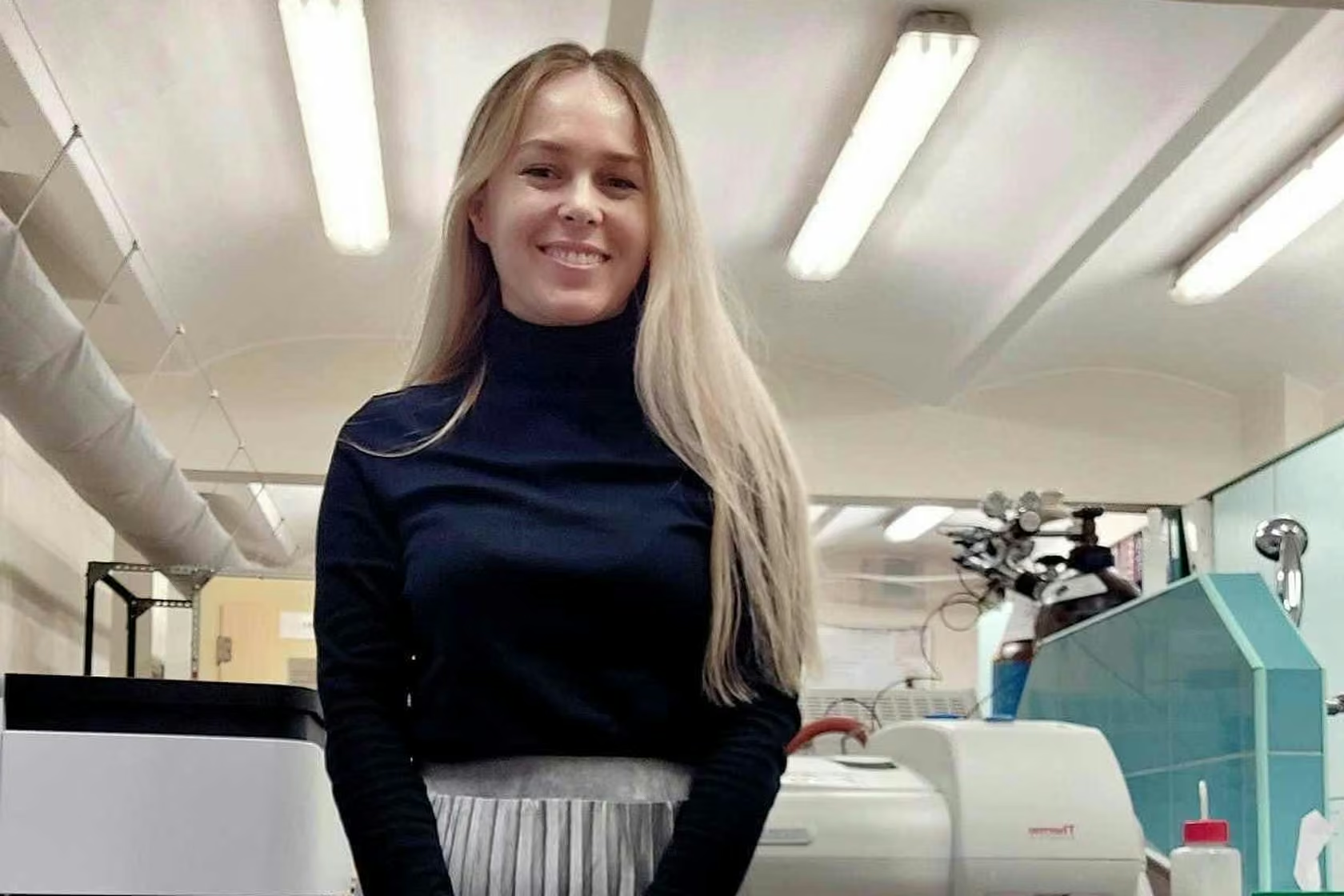
The research conducted by PhD Eng. Elvana Çako, carried out as part of her doctoral dissertation, focuses on the synthesis and development of photocatalysts designed for the degradation of pharmaceutical contaminants present in water, including components of commonly used analgesic and antipyretic drugs.
The research conducted by PhD Eng. Elvana Çako, carried out as part of her doctoral dissertation, focuses on the synthesis and development of photocatalysts designed for the degradation of pharmaceutical contaminants present in water, including components of commonly used analgesic and antipyretic drugs.
– The photocatalysts I obtained based on graphitic carbon nitride demonstrated high efficiency in the removal of selected micropollutants, including carbamazepine, acetaminophen, and ibuprofen, in a relatively short time. They also exhibiting excellent stability and recyclability – says PhD Eng. Elvana Çako. –These findings highlight their potential for developing sustainable and effective approaches to environmental remediation.
A graduate of the Doctoral School at Gdańsk Tech plans to apply her existing knowledge and research experience in her professional career.
– I chose this field because of my strong interest in contributing to addressing environmental challenges through scientific research and sustainable solutions. In the future, I would like to continue developing my scientific knowledge and research skills in the field of environmental science and energy – she emphasizes.
The title of the doctoral dissertation is “Hybrid g-C₃N₄ photocatalysts for degradation of pharmaceutical micropollutants.” The supervisor of the dissertation is Prof. Anna Zielińska-Jurek from the Department of Process Engineering and Chemical Technology at the Faculty of Chemistry.
Why the Doctoral School at Gdańsk Tech?
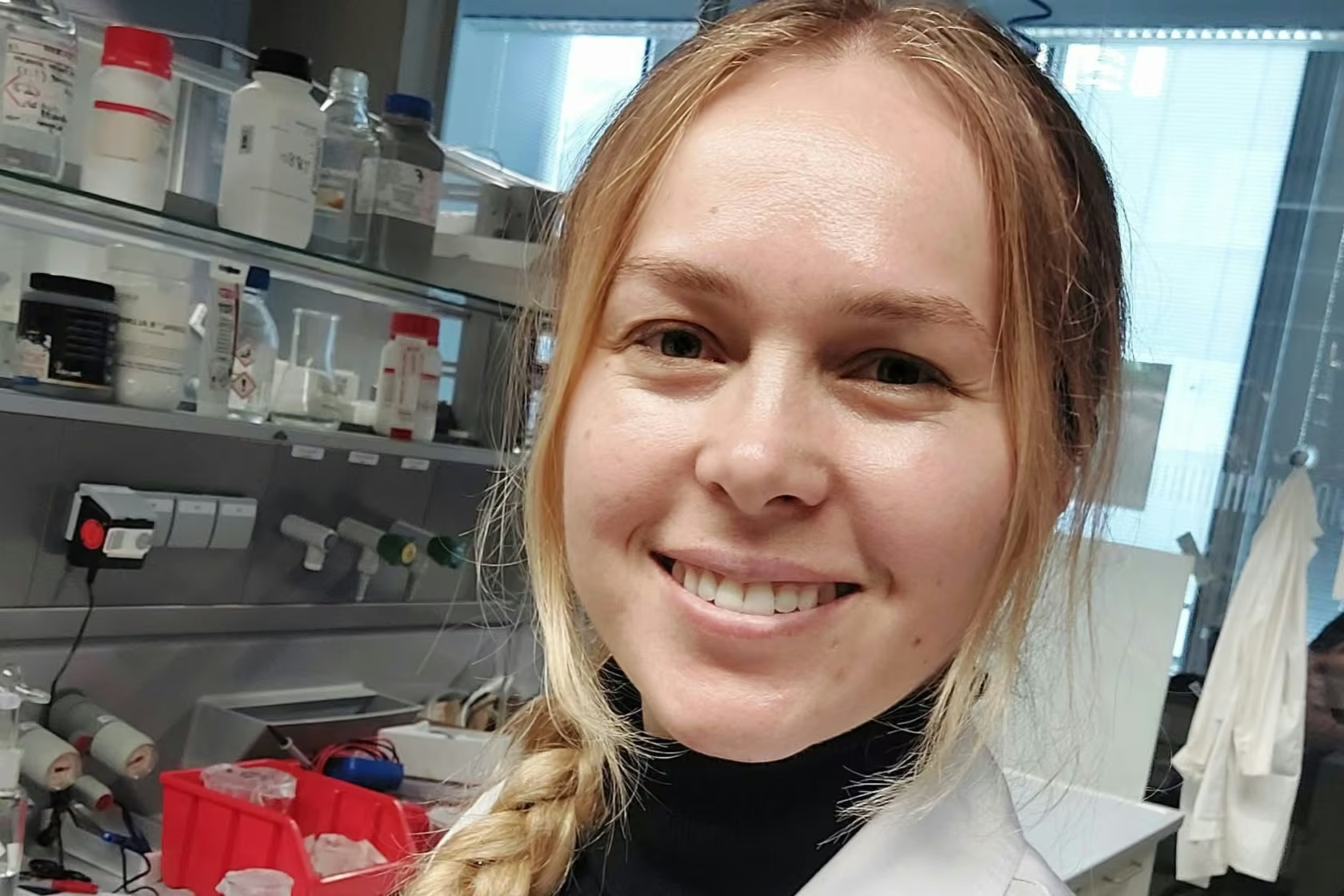
– I chose Gdańsk Tech because I saw it as a great opportunity to develop myself both academically and personally – says PhD Eng. Elvana Çako, originally from Albania. – The university offers a strong research environment, good facilities and the opportunity to work with experienced scientists. I enjoyed working in an interdisciplinary environment, which provided me with valuable opportunities for professional development as well as the chance to establish scientific collaborations and connections. The biggest challenge was dealing with unexpected issues during experimental studies, which required patience, problem-solving skills and flexibility.