New Materials, Drives and Protein-DNA Models. Gdańsk Tech Scientists with Competition Successes
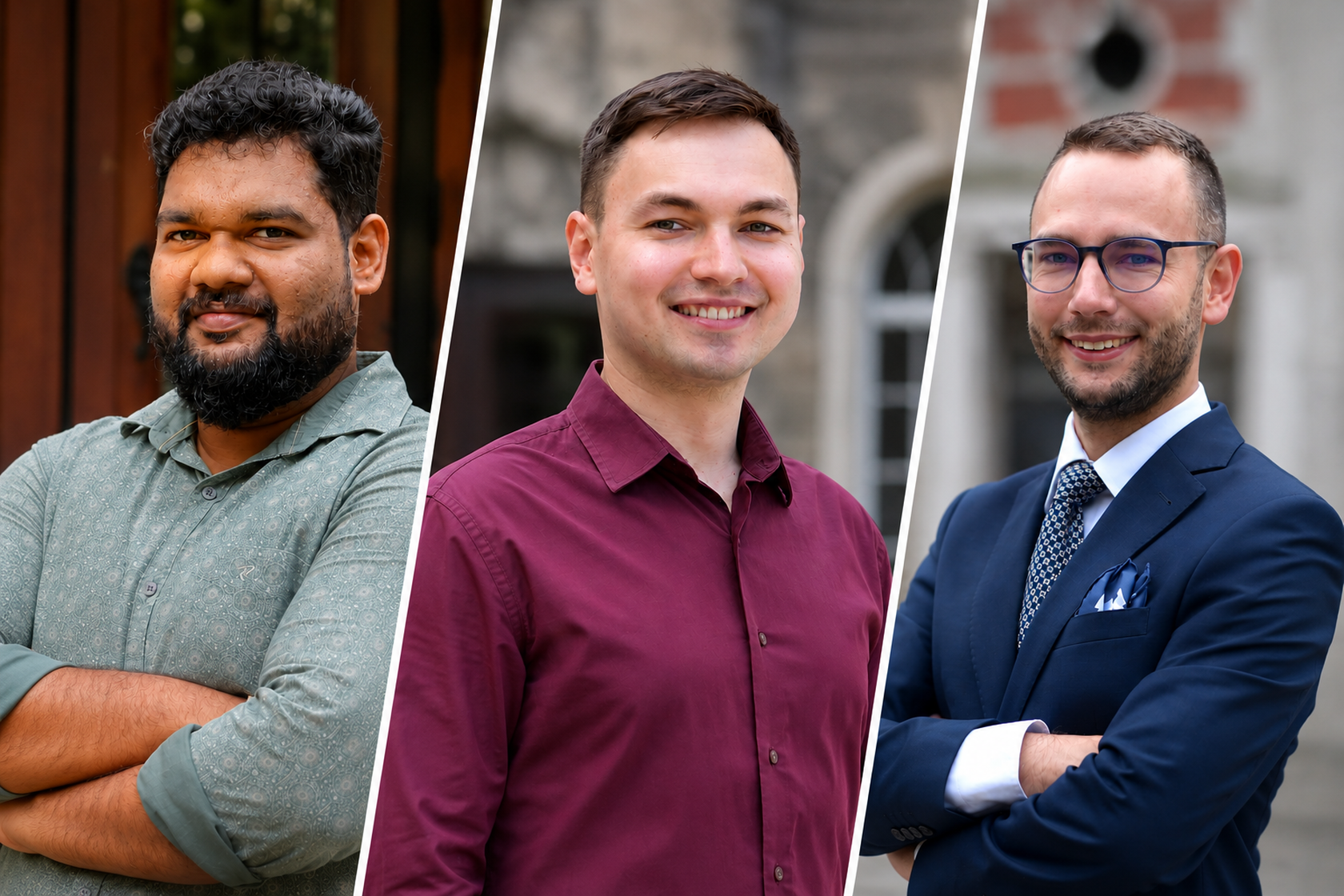
Ph.D. Eng. Adam Olszewski and Ph.D. Eng. Dmytro Kondratenko qualified for the first phase of the LIDER UP program. Meanwhile, Dr. Aravind Selvaram Thirunavukarasu received PLN 609,390 in the SONATINA 10 competition of the National Science Centre.
Ph.D. Eng. Adam Olszewski and Ph.D. Eng. Dmytro Kondratenko qualified for the first phase of the LIDER UP program. Meanwhile, Dr. Aravind Selvaram Thirunavukarasu received PLN 609,390 in the SONATINA 10 competition of the National Science Centre.
One hundred young researchers from across Poland qualified for the training and mentoring phase of the LIDER UP program. A total of 708 recruitment forms were submitted, and 448 applications received a positive substantive evaluation. Among the highest-ranked candidates were Dr. Eng. Adam Olszewski from the Faculty of Chemistry and Dr. Eng. Dmytro Kondratenko from the Faculty of Electrical and Control Engineering.
Safer composites and a new drive system
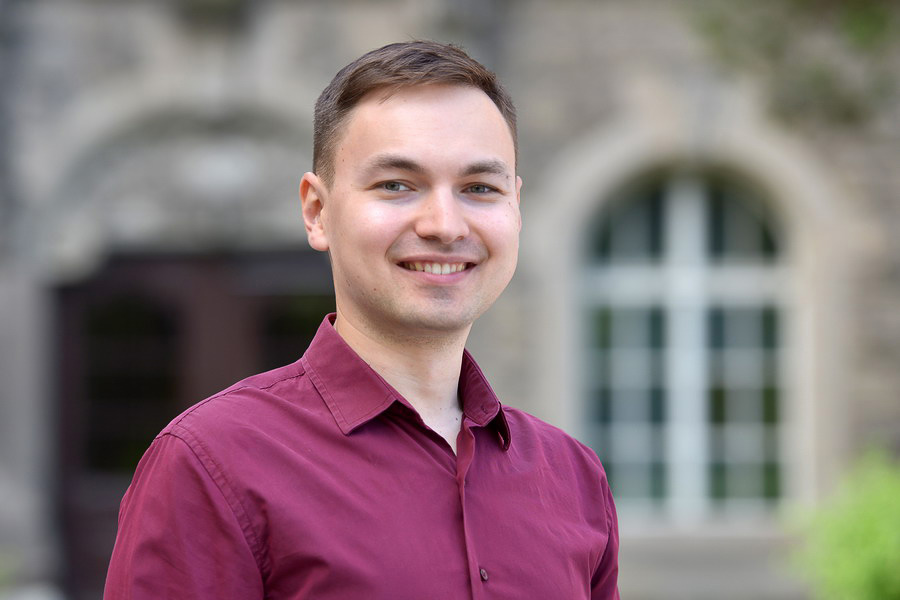
Dr. Eng. Adam Olszewski qualified for the program with the project “FreeFromFlame, formaldehyde-free polymer-wood composites with enhanced fire resistance.” His application ranked 58th on the list.
The scientist specializes in polymer technology and materials engineering. His research includes polyurethane-wood composites and the use of natural raw materials in polymeric materials. He also developed this topic in a project awarded in the PRELUDIUM 22 competition of the National Science Centre. In 2026, he was also among the laureates of the START program of the Foundation for Polish Science.
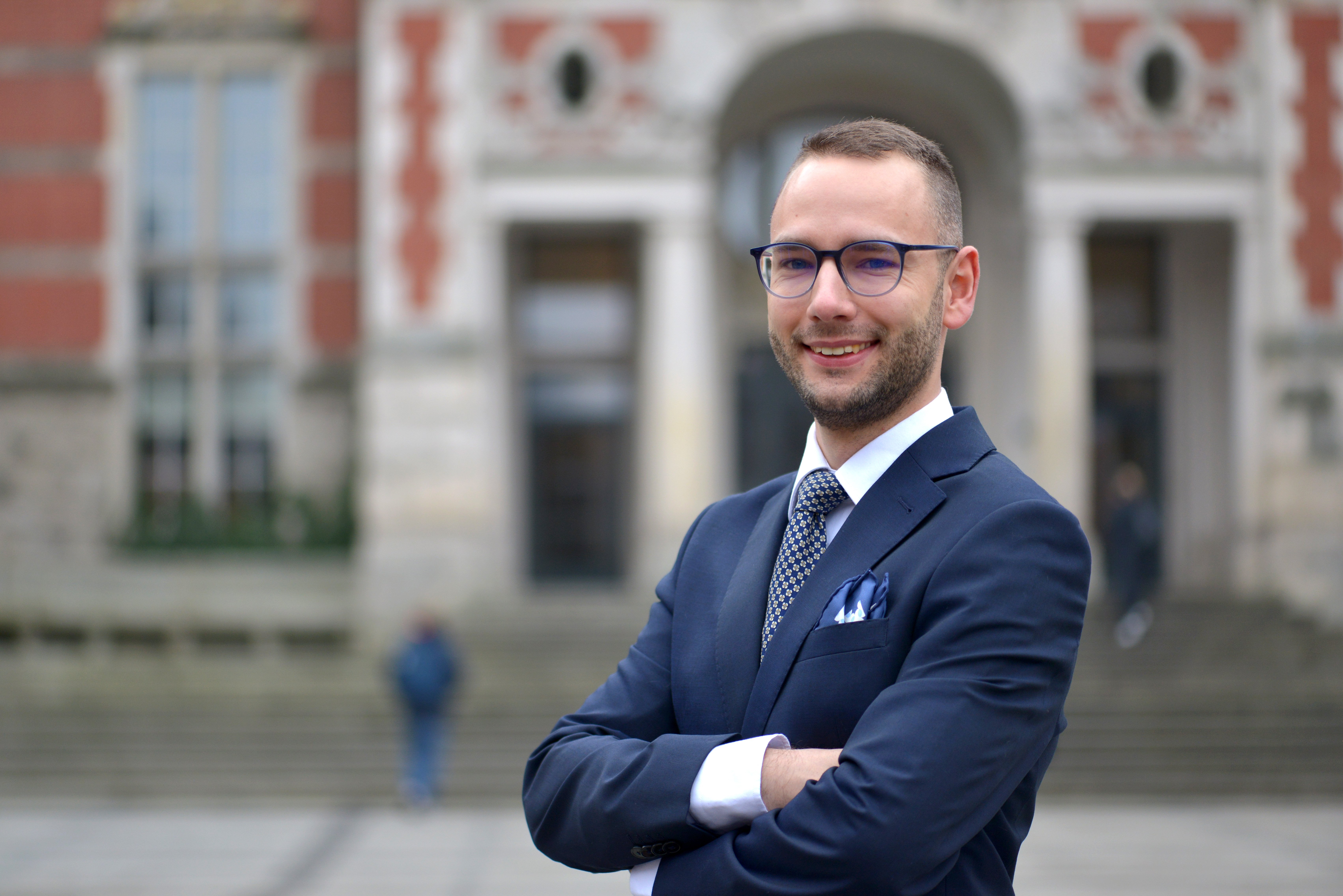
Dr. Eng. Dmytro Kondratenko’s project is entitled “Multi-motor drive system with a single voltage inverter and multiphase electric machines.” His application ranked 27th in the competition.
The researcher is affiliated with the Department of Electric Drive Automation and Energy Conversion. His work focuses on power electronics and drive systems with multiphase machines. As part of his doctoral dissertation, he developed a modulation method for a five-phase, three-level voltage inverter.
Dmytro Kondratenko earned 27 points, and Adam Olszewski 26 points. Both projects qualified for the first phase of the LIDER UP program.
From mentoring to financing
LIDER UP is a new edition of the National Centre for Research and Development program that supports young scientists in independently conducting research and development projects and preparing them for implementation.
In the first phase, participants will undergo training and individual mentoring. After its completion, they will be able to apply for funding to implement their projects. The maximum funding amount for a single project is PLN 2.5 million.
How a protein finds the right spot on DNA
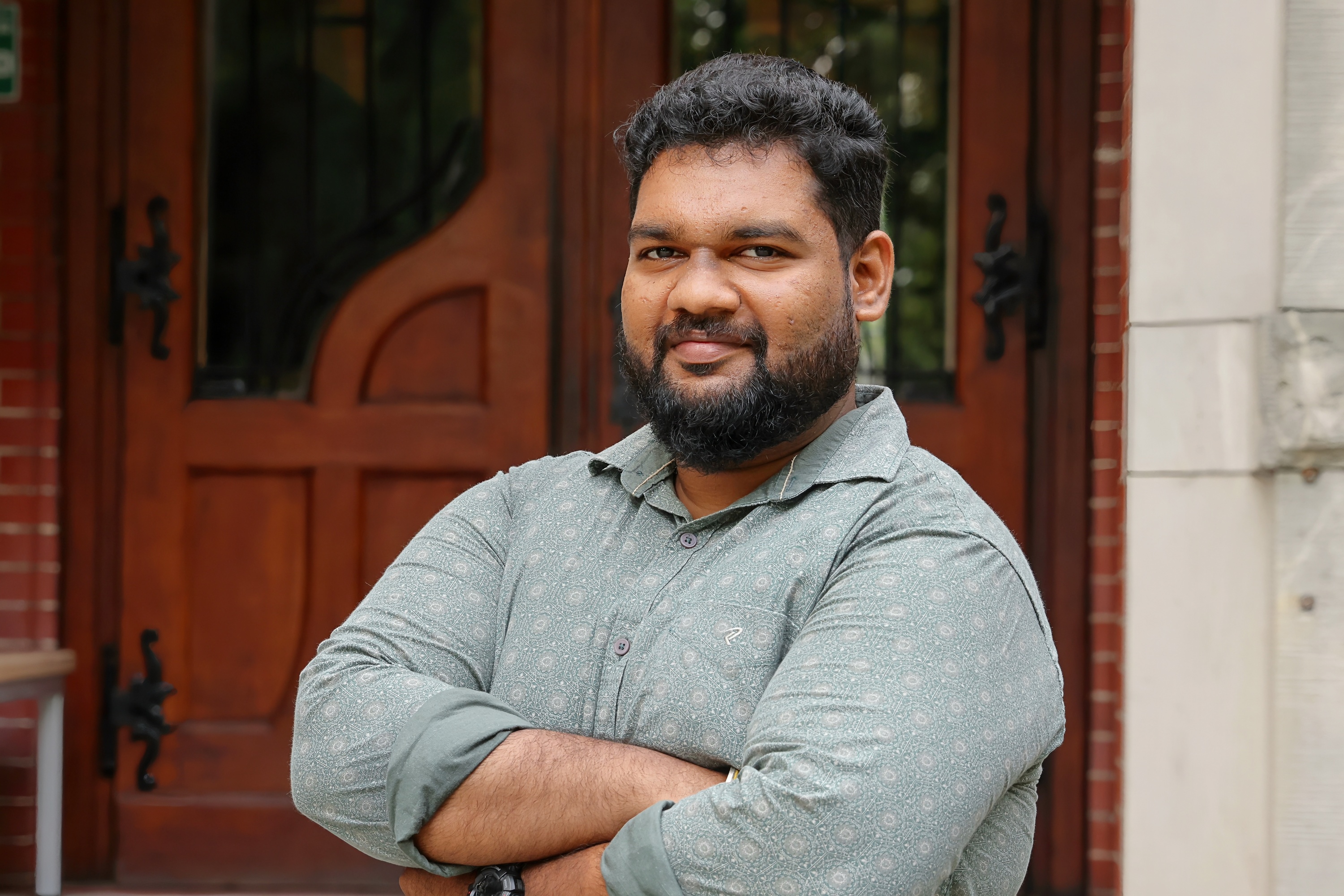
Dr. Aravind Selvaram Thirunavukarasu from the Faculty of Chemistry also achieved success. The National Science Centre awarded him PLN 609,390 for the implementation of the project “Coarse-grained predictive models for modeling protein-DNA complexes.”
In a living cell, proteins continuously interact with DNA. They regulate gene expression, participate in copying genetic information, and repair genetic material damage. To make this possible, they must find the correct site on a very long DNA molecule—sometimes a short sequence consisting of just a few base pairs among millions of others.
Accurately replicating this process in computer simulation today is very challenging. Even small protein-DNA complexes may require many weeks of calculations, and larger structures cannot be reliably analyzed using the most detailed models.
The project aims to develop a more accurate and accessible way to model these interactions. The scientist intends to enhance the Martini 3 model used in biomolecular simulations to better predict whether a specific protein will bind to a particular DNA sequence and how strong that binding will be.
The model parameters will be developed based on data from around 100 diverse protein-DNA complexes. In cases where experimental structures are not available, predictions made using AlphaFold3 will also be utilized.
The project was selected for funding in the tenth edition of the SONATINA competition, aimed at researchers at the early stage of their careers after obtaining a doctoral degree.
The result of the work will be an open-source toolkit available to other research teams. It will facilitate modeling processes related to gene regulation, transcription factor activity, and DNA organization in the cell without the need to prepare an entire model from scratch.