How Digital Transformation and AI Can Transform Crisis Management? Collaboration of Gdańsk Tech with Taiwan in the ARES Project
How can digital transformation and artificial intelligence support cooperation between the state and society in crisis management – prevention, preparation, response, and recovery? Researchers from Gdańsk Tech and universities in Taiwan are seeking answers within the international research project ARES.
How can digital transformation and artificial intelligence support cooperation between the state and society in crisis management – prevention, preparation, response, and recovery? Researchers from Gdańsk Tech and universities in Taiwan are seeking answers within the international research project ARES.
Digital Transformation in Crisis Management
The increasing dependence of states and societies on digital technologies, the growing frequency and complexity of natural and human-induced threats, as well as the escalating risks to critical infrastructure and digital security, mean that traditional crisis management models are no longer sufficient.
Modern crises often exceed the capacities of individual organizations, their networks, and even entire public administrations (whole-of-government). They require a coordinated response engaging the entire society (whole-of-society). Effective crisis management therefore depends not only on the efficiency of emergency services and administration but also on situational awareness, rapid information exchange, coordination of actions, and the ability to mobilize resources available across society.
Such an approach encompasses the entire crisis management cycle – from anticipation and preparedness, through response, to recovery.
Under these conditions, digital transformation becomes one of the key factors influencing the resilience of the state and society. Digital technologies can improve communication, decision-making, and coordination of actions, as well as create new opportunities for collaboration among administration, businesses, social organizations, and citizens. At the same time, increasing dependency on technology introduces new threats. Cyberattacks, disinformation, system failures, manipulated data, or erroneous recommendations generated by artificial intelligence can hinder response efforts and even exacerbate the impacts of crises.
ARES Project
This topic is addressed by the international research project “AI-enabled Digital Transformation for Whole-of-Society Emergency Response” (ARES), carried out under the cooperation agreement between the Polish Academy of Sciences and the National Science and Technology Council of Taiwan.
The project is led by PhD Tomasz Janowski, DSc, professor at Gdańsk Tech, and Professor Helen K. Liu from National Taiwan University. The team also includes PhD Grażyna Musiatowicz-Podbiał and PhD Nina Rizun from Gdańsk Tech, and on the Taiwanese side: Professor Hsien-Lee Tseng from National University of Tainan, Professor Kaiju Chang from National Chengchi University, and Danny Breshanan from National Taiwan University.
The project aims to assess the effectiveness, inclusivity, and adaptive capacities of digital tools, including AI-based solutions, used in crisis management. Researchers analyze their actual impact on the ability of the state and society to respond to crises under various social and political conditions.
A central element of the research is the whole-of-society concept, which assumes cooperation among all key segments of society – government institutions at national and local levels, civil society organizations, the private sector, academia, local communities, and citizens. In this perspective, digital transformation does not only mean modernizing administration. It can strengthen preparedness, streamline coordination and public communication, and facilitate expanding cooperation from whole-of-government to whole-of-society.
Poland and Taiwan in the ARES Project Research
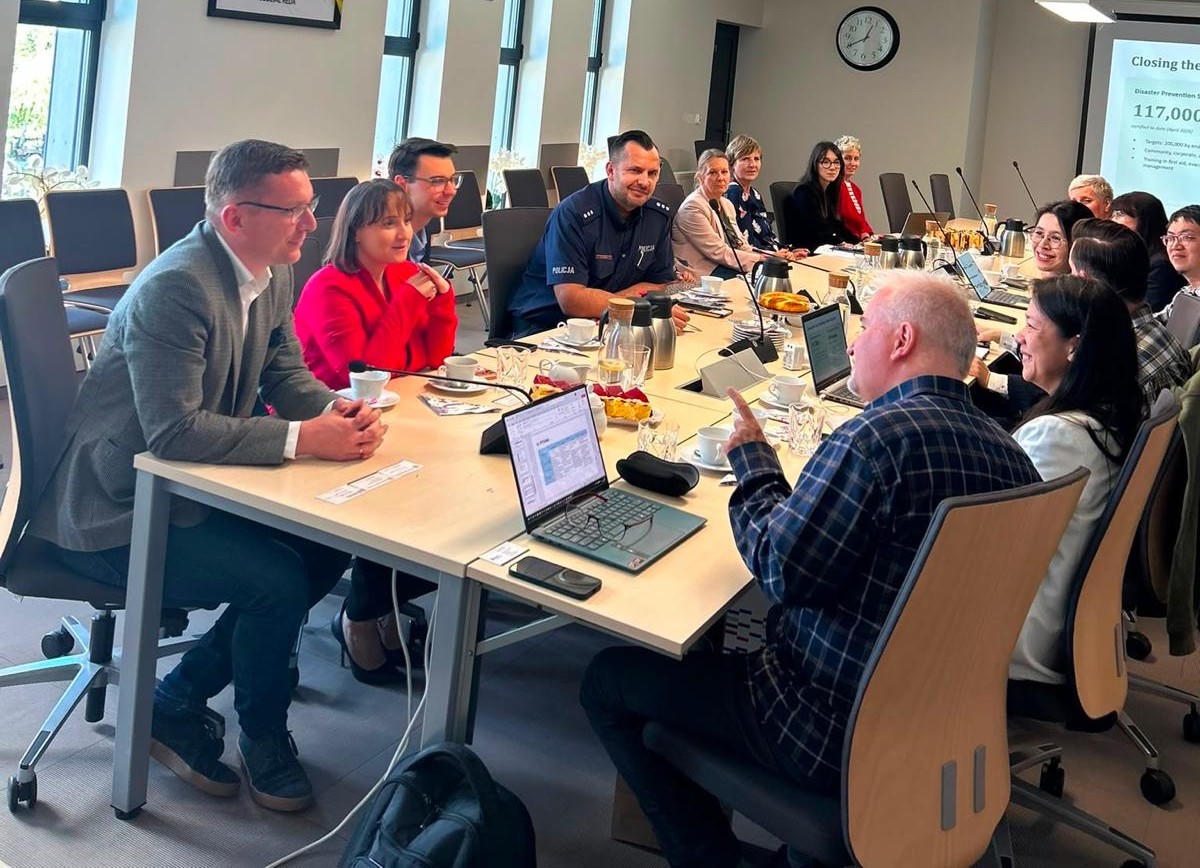
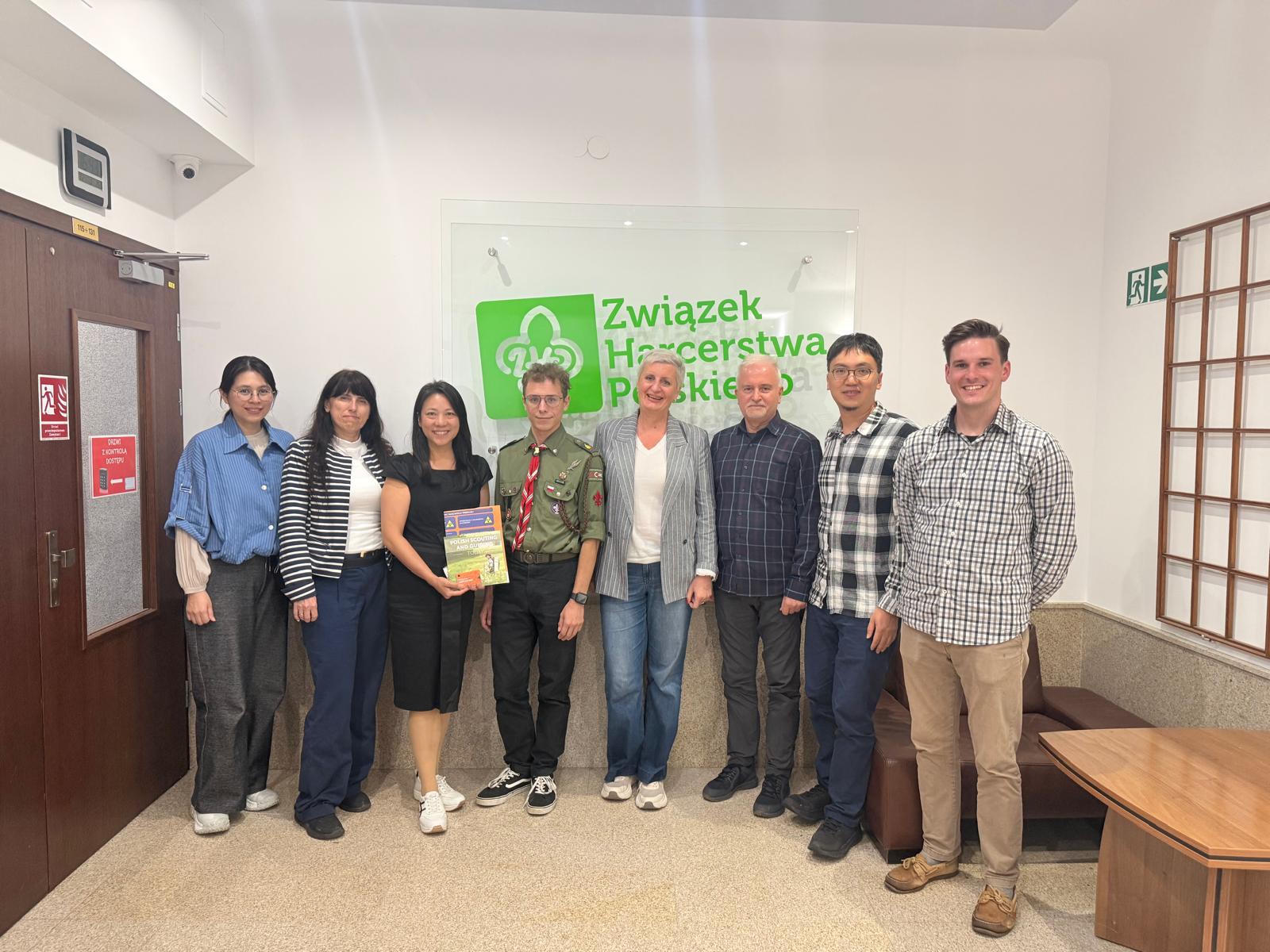
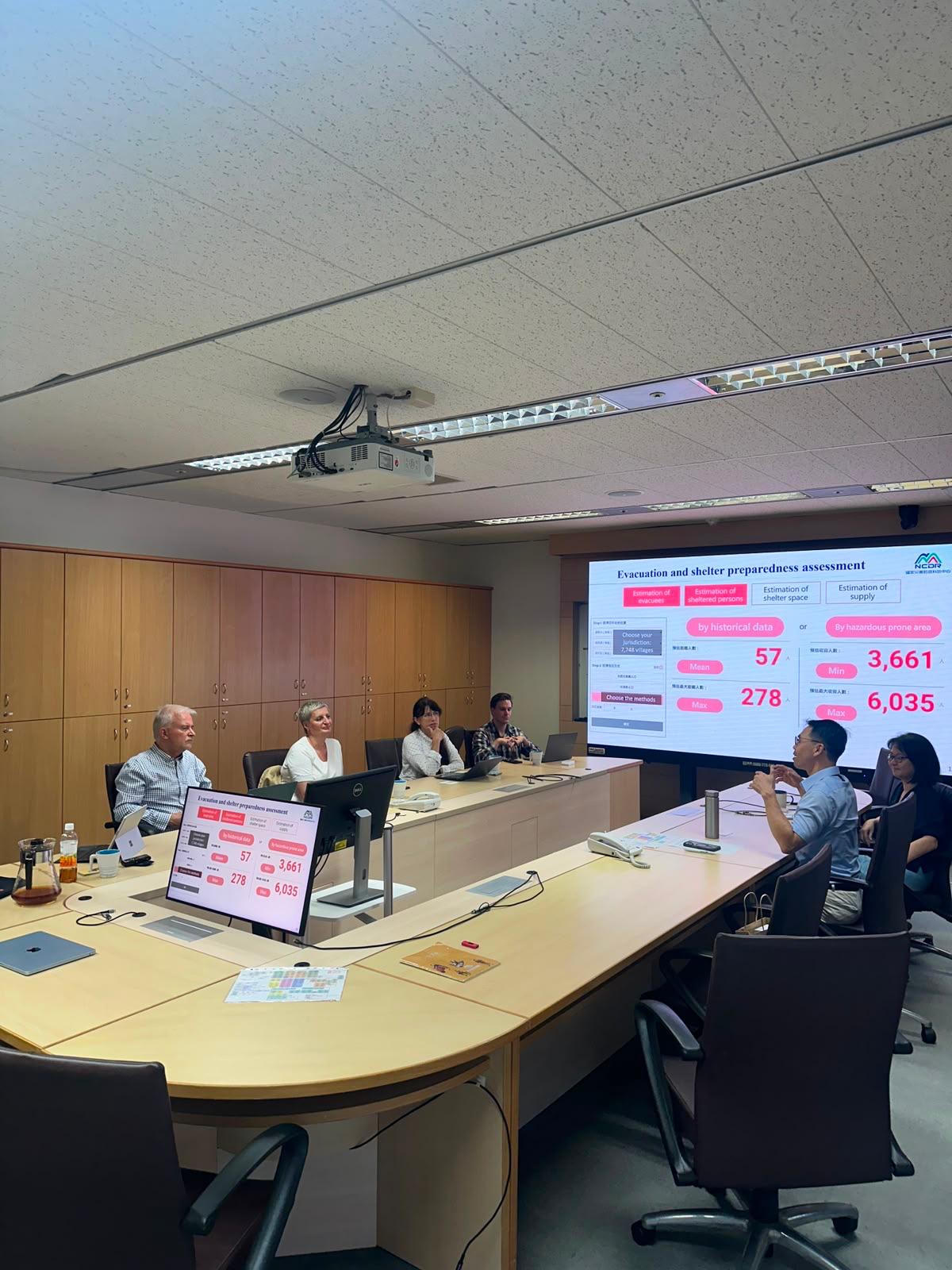
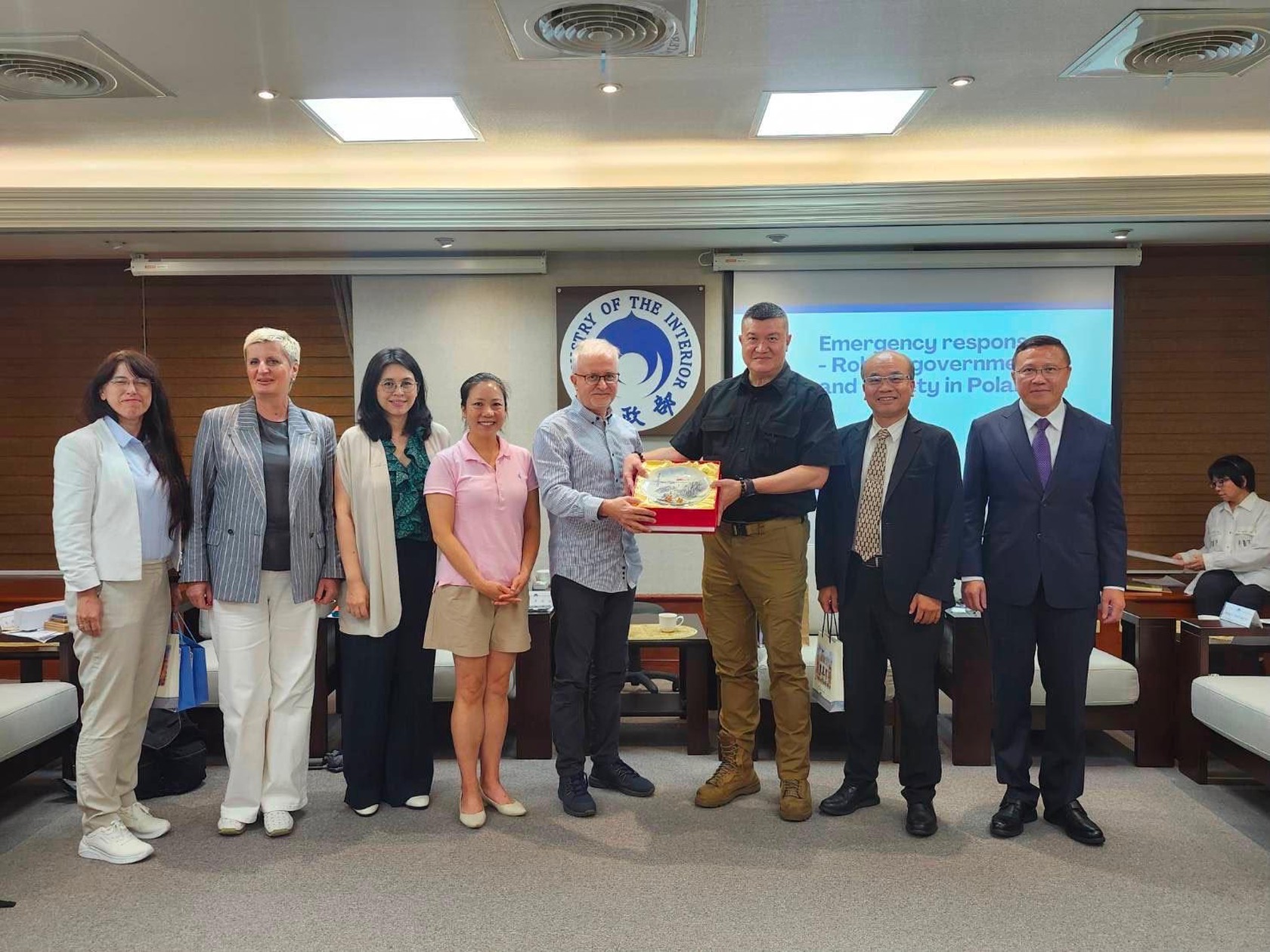
An important part of the project is the exchange of experiences between Poland and Taiwan. In the summer of 2026, mutual research visits took place, including field observations and meetings with representatives of government and local administration, as well as non-governmental and social organizations.
The first series of meetings was held in Poland from July 20 to 24, 2026. Scientists met with representatives of the Ministry of Digital Affairs and the authorities of the City of Reda, as well as the Polish Humanitarian Action, the Polish Red Cross, and the Polish Scouting and Guiding Association.
Between August 17 and 21, 2026, the researchers from Gdańsk Tech paid a return visit to Taiwan. There, they met with representatives of institutions playing a vital role in societal protection during crisis situations, including the Ministry of the Interior, National Fire Agency, National Police Agency, National Science and Technology Centre for Disaster Reduction, Taipei City Hall, and the General Association of Scouts of China (Taiwan).
The visits enabled the confrontation of the research perspective with the experiences of institutions directly involved in crisis management. It was especially important to learn about practical applications of digital technologies and to identify barriers hindering cooperation among the administration, private sector, and civil society.
The outcomes of the collaboration will include scientific publications and conference presentations, as well as recommendations for public institutions and civil society organizations regarding the use of digital transformation to build joint crisis response capabilities.