
Million-PLN OPUS Grants for Researchers with Publication Records
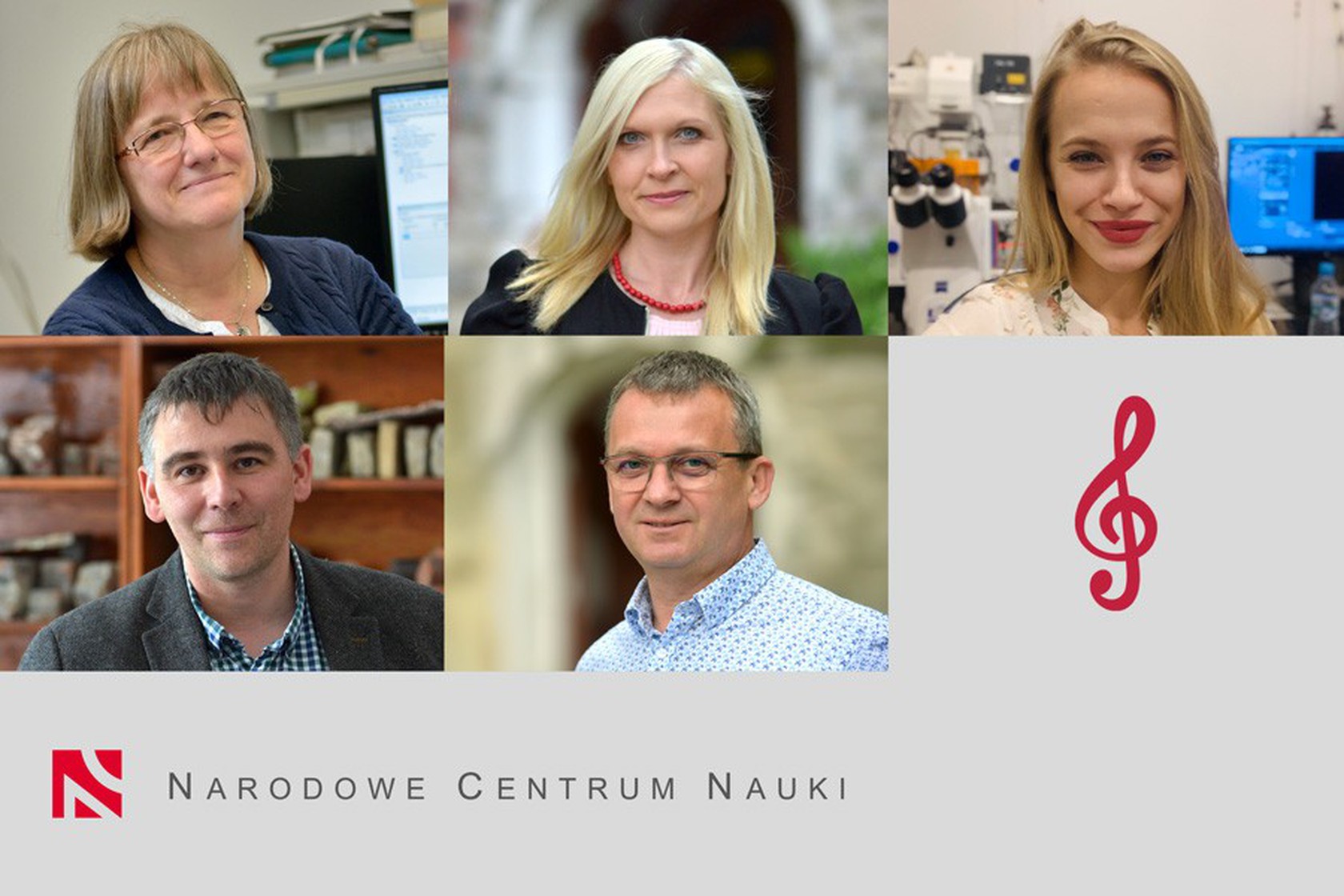
Over ten million PLN for projects carried out by scientists from Gdańsk Tech was awarded by the National Science Centre under the OPUS 28 competition. Three out of five projects will be implemented at the Faculty of Chemistry, and one each at the Faculty of Architecture and the Faculty of Applied Physics and Mathematics.
Over ten million PLN for projects carried out by scientists from Gdańsk Tech was awarded by the National Science Centre under the OPUS 28 competition. Three out of five projects will be implemented at the Faculty of Chemistry, and one each at the Faculty of Architecture and the Faculty of Applied Physics and Mathematics.
OPUS is the flagship grant program of the National Science Centre for researchers with a publication record. The funding enables the implementation of research projects, including both basic research conducted domestically and internationally, as well as projects carried out in collaboration with foreign teams under the LAP (Lead Agency Procedure) mechanism and the Weave program.More
They will open an “amber window” to an environment from millions of years ago
.jpg)
“Opening the 'amber window' – in-depth and comprehensive studies of selected organic and inorganic chemical signatures contained in fossil resins – retrospective environmental analysis – retroAmber,” project leader: Prof. Piotr Konieczka, Department of Analytical Chemistry, Faculty of Chemistry, project amount: PLN 3,957,224 (of which PLN 3,799,234 for Gdańsk Tech)
The project brings together outstanding Polish analytical chemists from Gdańsk Tech and the University of Warsaw, world-renowned geochemists from Japan’s Kwansei Gakuin University, and specialists in fossil resins from the International Amber Association and the University of Gdańsk, to develop for the first time an effective and organized method of reading chemical information trapped in fossil resins. The developed method will set new standards in fossil resin analysis, opening new opportunities for scientists across many disciplines. This symbolic “opening of the amber window” onto the environment from millions of years ago will take place in Gdańsk – the World Capital of Amber.
The methodology for utilizing fossil resins as archives of chemical signatures is to be developed based on the determination of PACs (polycyclic aromatic compounds) and TEs (trace elements) in this material. This will confirm its application, as these chemical substances serve as diagnostics for environmental conditions and the events emitting them. Thus, by identifying them in fossil resins, it will be possible to link them to specific events impacting the environment and to the state of the environment itself millions of years ago.
Eliminating cancer cells
.jpg)
"Targeting Telomere Integrity as a Strategy for Elimination of Cancer Cells", project leader: PhD Eng. Natalia Maciejewska, Department of Drug Technology and Biochemistry, Faculty of Chemistry, funding amount: PLN 2,037,400
The project concerns advanced biological evaluation of selected anthracenedione derivatives, which have shown high efficacy in inhibiting telomerase activity in cancer cells during studies. Particular emphasis is placed on their effect on cancer stem cells (CSC), the population responsible for tumour initiation, metastasis, treatment resistance, and disease recurrence. In addition to inhibiting the catalytic activity of telomerase, these compounds disrupt the function of proteins involved in assembling the telomerase complex, leading to destabilization of telomere structure and activation of cell death mechanisms in cancer cells.
Research will include comprehensive in vitro studies (cell lines and 3D models) as well as in vivo studies using the CAM model to assess the effects of telomerase inhibitors on tumour growth dynamics, invasive properties of cells, and the behaviour of the tumour microenvironment. A particular focus of analysis will be the impact of these compounds on angiogenesis and the formation of the metastatic niche, as well as the ability of cancer cells to colonize distant tissues in the CAM model.
The implementation of the project will provide essential data on the role of telomerase modulation in tumour progression and metastasis and aims to contribute to the assessment of the potential of previously identified compounds as candidates for therapies targeting hard-to-eliminate populations of cancer stem cells.
Efficient Production of Biomethane and Valuable Nanomaterials from Waste
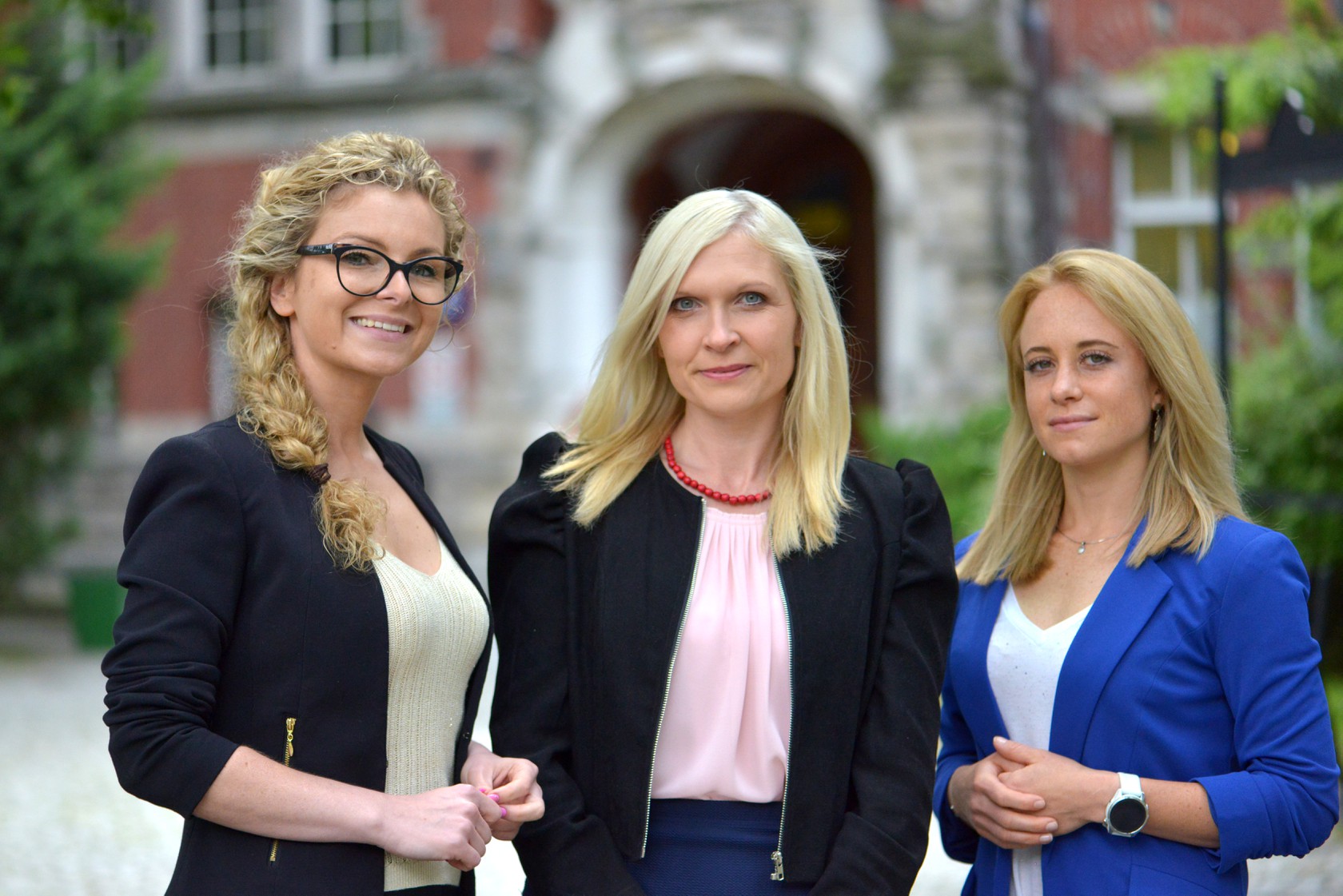
"From Waste to Innovation: Utilizing Hydrogen Sulfide from Biogas in Sustainable Nanomaterial Synthesis," project leader: PhD habil. Eng. Justyna Płotka-Wasylka, Prof. Gdańsk Tech, Department of Analytical Chemistry, Faculty of Chemistry, project amount: PLN 1,913,340 (including PLN 1,223,840 for Gdańsk Tech)
The presence of hydrogen sulfide in biogas not only lowers its quality but also causes corrosion of equipment, making its removal essential for efficient biomethane production. Traditional biogas purification methods often face challenges related to high costs, waste generation, and low efficiency. The project focuses on developing a sustainable and efficient biogas purification method by removing hydrogen sulfide using deep eutectic solvents (DES). This research addresses two main technological challenges: environmentally friendly removal of hydrogen sulfide from biogas with solvent regeneration capability and conversion of recovered hydrogen sulfide into copper sulfide nanoparticles. The integration of DES technology with nanomaterial synthesis opens new opportunities in energy and medicine, particularly in areas such as cancer treatment and renewable energy conversion.
The project aligns with circular economy practices and sustainable energy development, addressing global environmental challenges by promoting renewable energy sources and reducing greenhouse gas emissions. Fully purified biogas can achieve biomethane quality, paving the way for its broad utilization in the country’s energy transformation.
The research team includes PhD Eng. Natalia Jatkowska and PhD Eng. Małgorzata Rutkowska from the Department of Analytical Chemistry (pictured above with Prof. Justyna Płotka-Wasylka). The project will be carried out in collaboration with GreenTech BMG Consulting Bartosz Moszowski and the Department of Chemistry and Pharmacy, Faculty of Science and Technology at the University of Algarve in Faro, Portugal.
Reconstruction of the Construction Process of the Wisłoujście Fortress
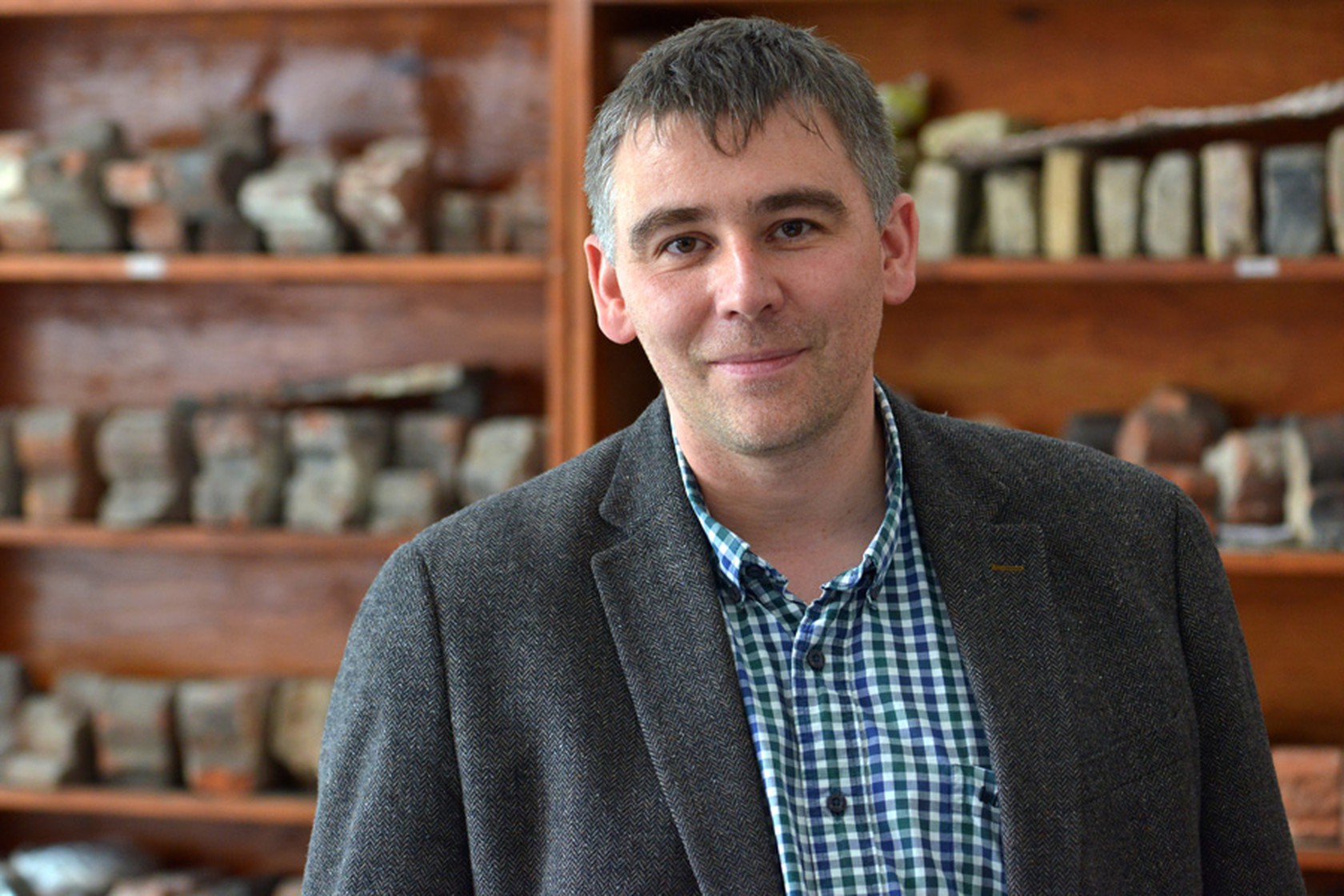
“Construction of the Wisłoujście Fortress (15th-17th centuries) and its European models,” PhD Eng. Piotr Samól, prof. Gdańsk Tech, Department of Architectural History and Heritage Conservation, Faculty of Architecture, project amount: PLN 1,449,787.00 (including PLN 760,487 for Gdańsk Tech)
The aim of the project is to precisely reconstruct the multifaceted process of building the Wisłoujście fortress – from the Gothic lighthouse, through the free-standing bastion (seaside castle from the 16th century) and the Italian-type fortress (Fort Carré), to the extensive Dutch-style bastion complex. All successive stages established as a result of invasive architectural and archaeological research will be linked to the models used by its creators. Comparative studies will be conducted in Germany, England, the Netherlands, Belgium, northern France, and Switzerland as part of the project. This will enable the development of the history of this unique monument within a broad context of European architecture.
The project is interdisciplinary in nature, carried out by five researchers and two PhD candidates from two universities – Gdańsk Tech and the University of Gdańsk. They utilize the expertise of as many as five scientific disciplines: architecture and urban planning, archaeology, history, art history, and heritage conservation. As a result, the project will facilitate the understanding of the significance of the Wisłoujście Fortress (formally a historic monument) as an object that can successfully aspire to be listed as a UNESCO World Heritage site in the future.
The implementation of the project is made possible by the collaboration with the Museum of Gdańsk since 2018, which recently – for conservation work carried out in the fortress – was awarded the prestigious Sybilla Prize, granted by the Ministry of Culture and National Heritage.
Materials for hydrogen energy
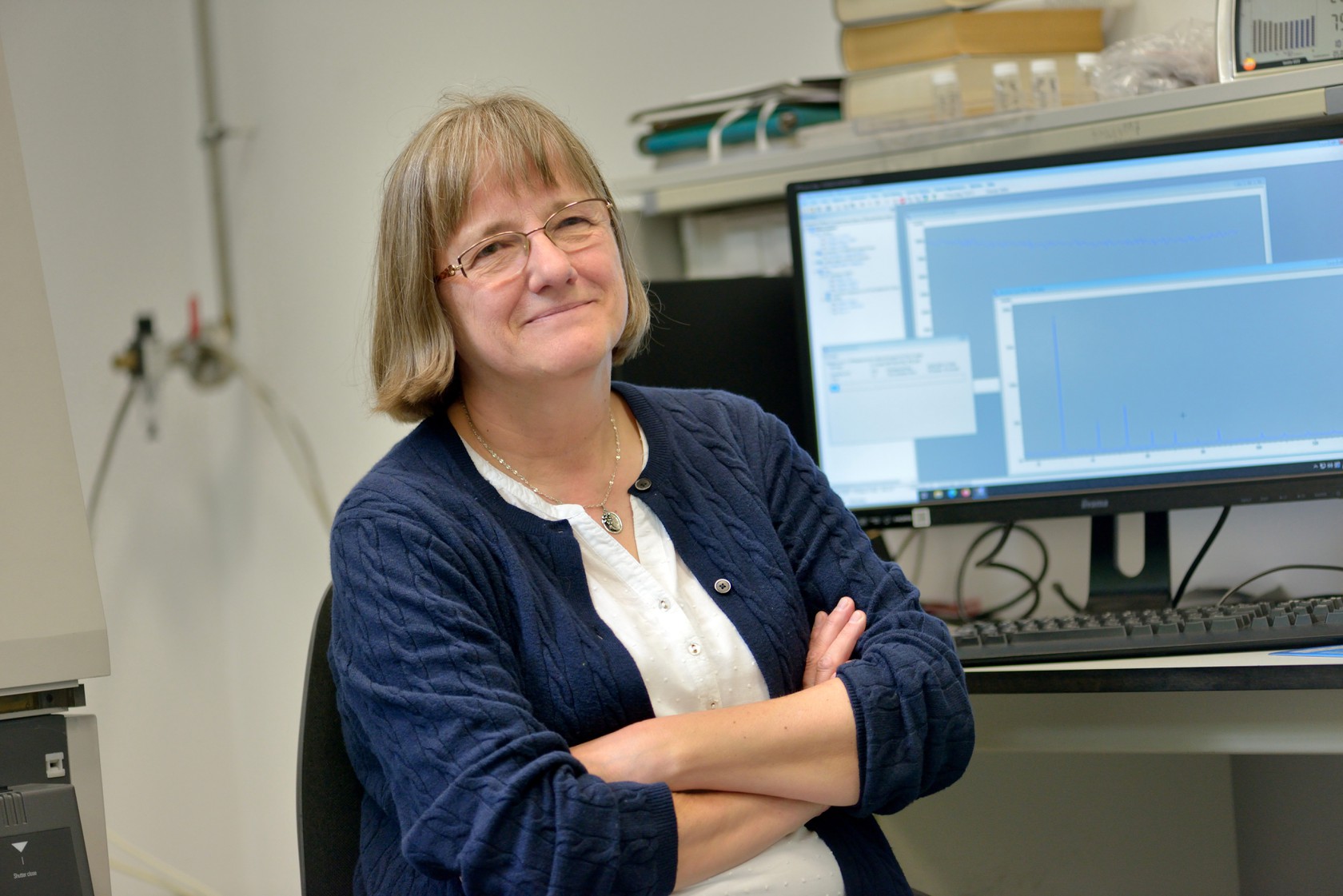
"Interface Engineering – Textured Ceramics for Protonics," project manager: prof. Maria Gazda, Institute of Nanotechnology and Materials Engineering, Faculty of Applied Physics and Mathematics, funding amount: PLN 979,240
Within the project, the research team will investigate how to produce a ceramic material with a microstructure in which grains and grain boundaries, among others, are at least partially aligned parallel to the direction of the current. The following methods will be used:
- the so-called TGG method, where a few percent of anisotropic large grains are added to the ceramic powder to induce grain growth in the desired direction
- prolonged heating of the ceramic under conditions promoting directional growth, e.g., in a temperature gradient
- use of a furnace with a hot zone, where the high-temperature area can be moved along the ceramic rod, thereby forcing directional growth
Research will also be conducted based on traditional methods used for depositing thin films.
The materials to be prepared, modified, and studied by the scientists are proton-conducting oxides and oxides with mixed proton-electron conductivity.
The project results are expected to impact not only the field of functional materials but also emerging hydrogen technologies, which are essential for developing a green and sustainable energy grid for future generations. Understanding interfaces opens a new way to improve existing devices and will enable the future development of hydrogen technologies.