
Scientific Project of a Gdańsk Tech Researcher in the Educational Initiative ZBADAI
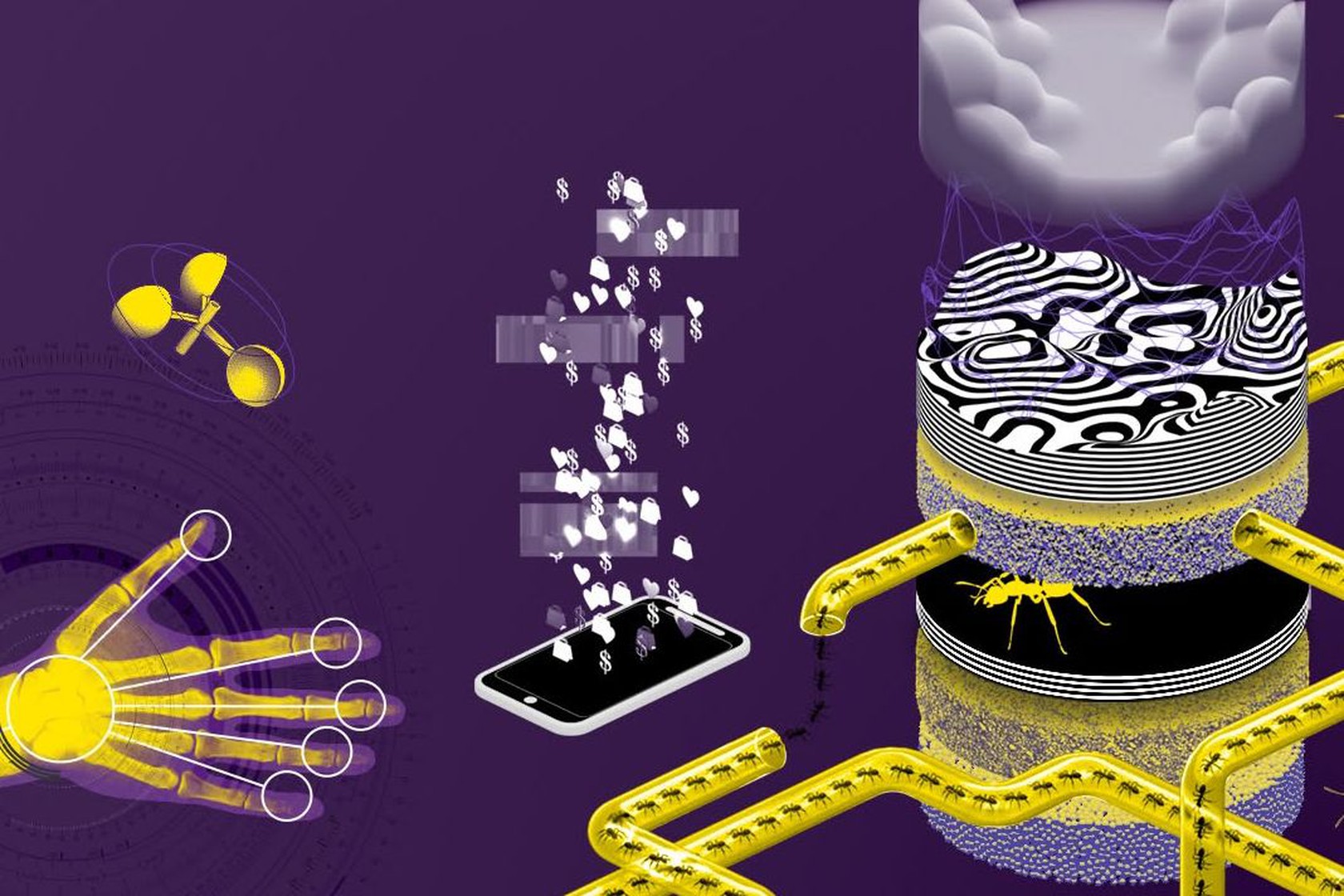
PhD Natalia Przybylska’s project from the Faculty of Management and Economics – as one of 107 projects from across Poland – was selected for implementation under the ZBADAI initiative. This program is run by the Copernicus Science Centre in Warsaw, where primary and secondary school students undertake a research challenge proposed by scientists from across the country.
PhD Natalia Przybylska’s project from the Faculty of Management and Economics – as one of 107 projects from across Poland – was selected for implementation under the ZBADAI initiative. This program is run by the Copernicus Science Centre in Warsaw, where primary and secondary school students undertake a research challenge proposed by scientists from across the country.
The ZBADAI project has great educational and popularization potential. It connects the academic community with schools, promotes the research method, and demonstrates how scientists can support young people in carrying out interdisciplinary research projects using artificial intelligence.
The initiative is divided into several stages. In the first stage, the Copernicus Science Centre sought scientists who would propose research project topics for later implementation by school students. A total of 107 applications were received from across the country, of which only 8 projects were selected – 4 for primary schools and 4 for secondary schools.
Among them was PhD Natalia Przybylska from the Department of Marketing at the Faculty of Management and Economics. She proposed a project entitled “Shopping in the Viral Age,” which will be carried out by secondary school students. Its goal is to examine consumer awareness among youth in the era of digital marketing and to check whether knowledge about algorithmic mechanisms genuinely changes purchasing behaviors.
– Imagine that someone knows you better than you know yourself. They know when you are tired, when you are happy, what you watched last night, and what you react to emotionally. And they use this knowledge to persuade you to make a purchase – before you have time to ask yourself whether you really want it. This is not science fiction. It is something that happens on your phone hundreds of times a day. We are not always rational, but we very much like to rationalize. Sometimes we buy first and then come up with reasons why it was a great idea. Digital marketing knows this perfectly and builds its strategies precisely on this – explains PhD Natalia Przybylska.
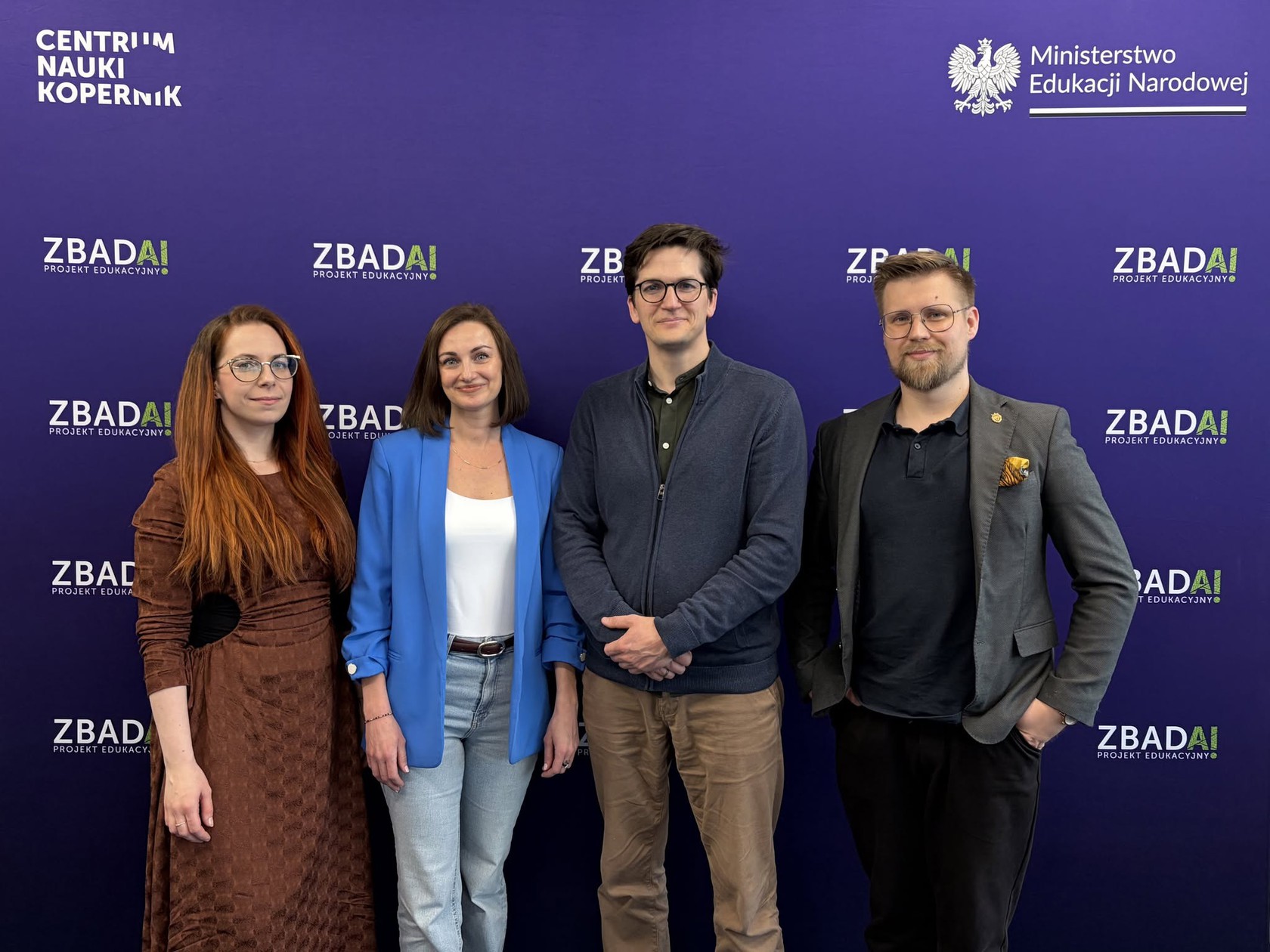
During the project, students will treat their own choices as research data: they will keep records of purchasing decisions, analyze the results in teams, and draw conclusions. A consumer awareness survey conducted at the beginning and at the end of the project will allow an assessment of whether and how it changes. Students will use an AI tool for the analysis, which will support the process by not providing ready-made answers but helping to deepen reflection, ask bolder questions, and not take the first answer for granted. For science, this is a question about the boundary between conscious choice and designed impulse. For students, it is practical knowledge that they will immediately use because algorithms will accompany them every day – it is worth being aware of how they work.
The recruitment of secondary schools is currently underway. Applications for participation in the project can be submitted until June 28, 2026. Detailed information is available on the Copernicus Science Centre website.