Workshop for Law. How the CAISE Platform Can Help in Legislation
"Workshop for Law" – a meeting dedicated to exchanging experiences and building cooperation between representatives of public administration, the scientific community, and the Legal Tech sector took place on June 1st at the STOS Competence Center at Gdańsk Tech. The event focused on the possibilities of using the CAISE platform, AI, cloud solutions, and service engineering in the field of legislation and law digitization.
"Workshop for Law" – a meeting dedicated to exchanging experiences and building cooperation between representatives of public administration, the scientific community, and the Legal Tech sector took place on June 1st at the STOS Competence Center at Gdańsk Tech. The event focused on the possibilities of using the CAISE platform, AI, cloud solutions, and service engineering in the field of legislation and law digitization.
The event was attended by representatives from the Government Legislative Center, the Chancellery of the Sejm, the Chancellery of the Prime Minister, the University of Gdańsk, Wolters Kluwer, Currenda, and the TASK Computer Center.
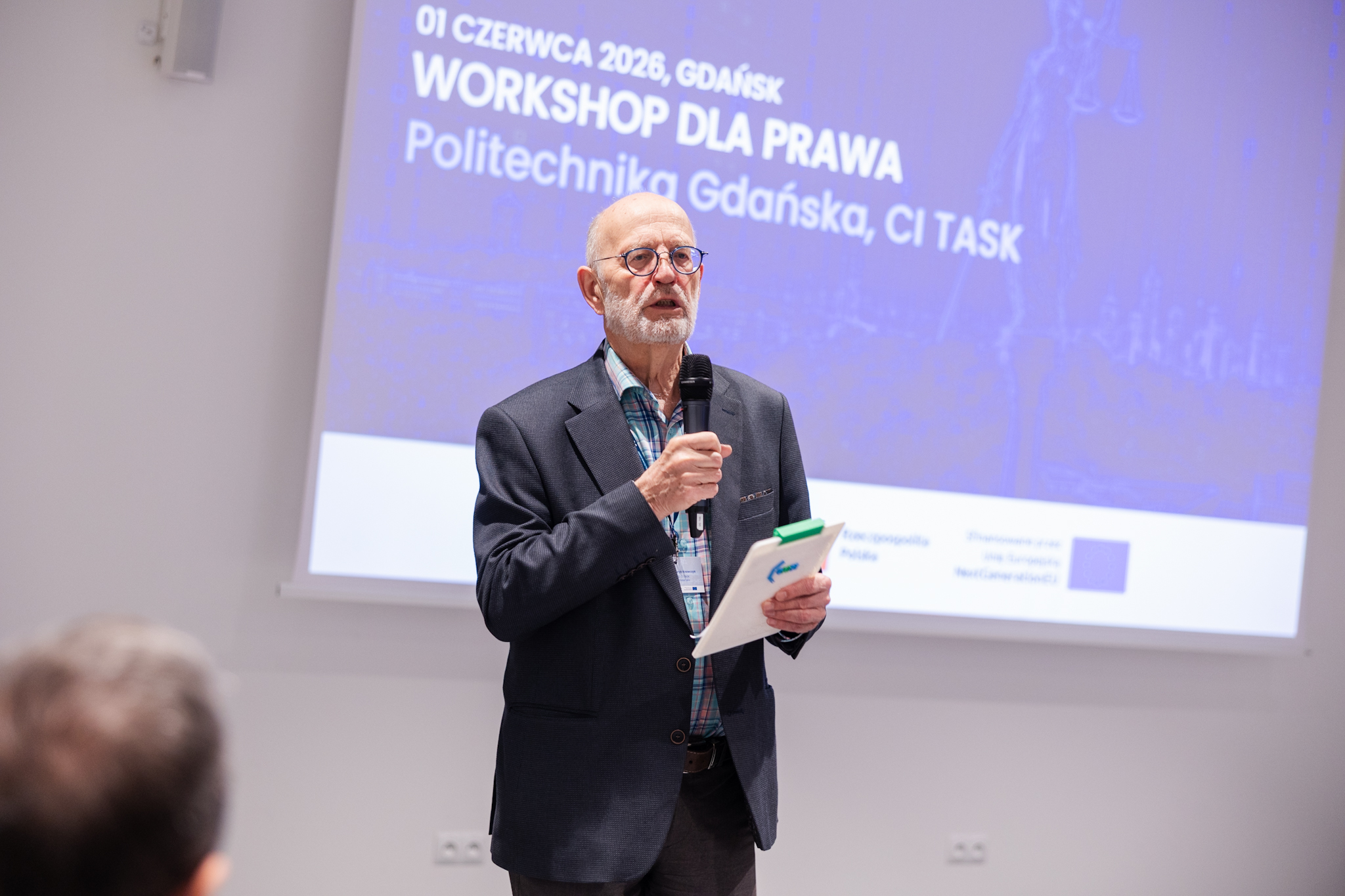
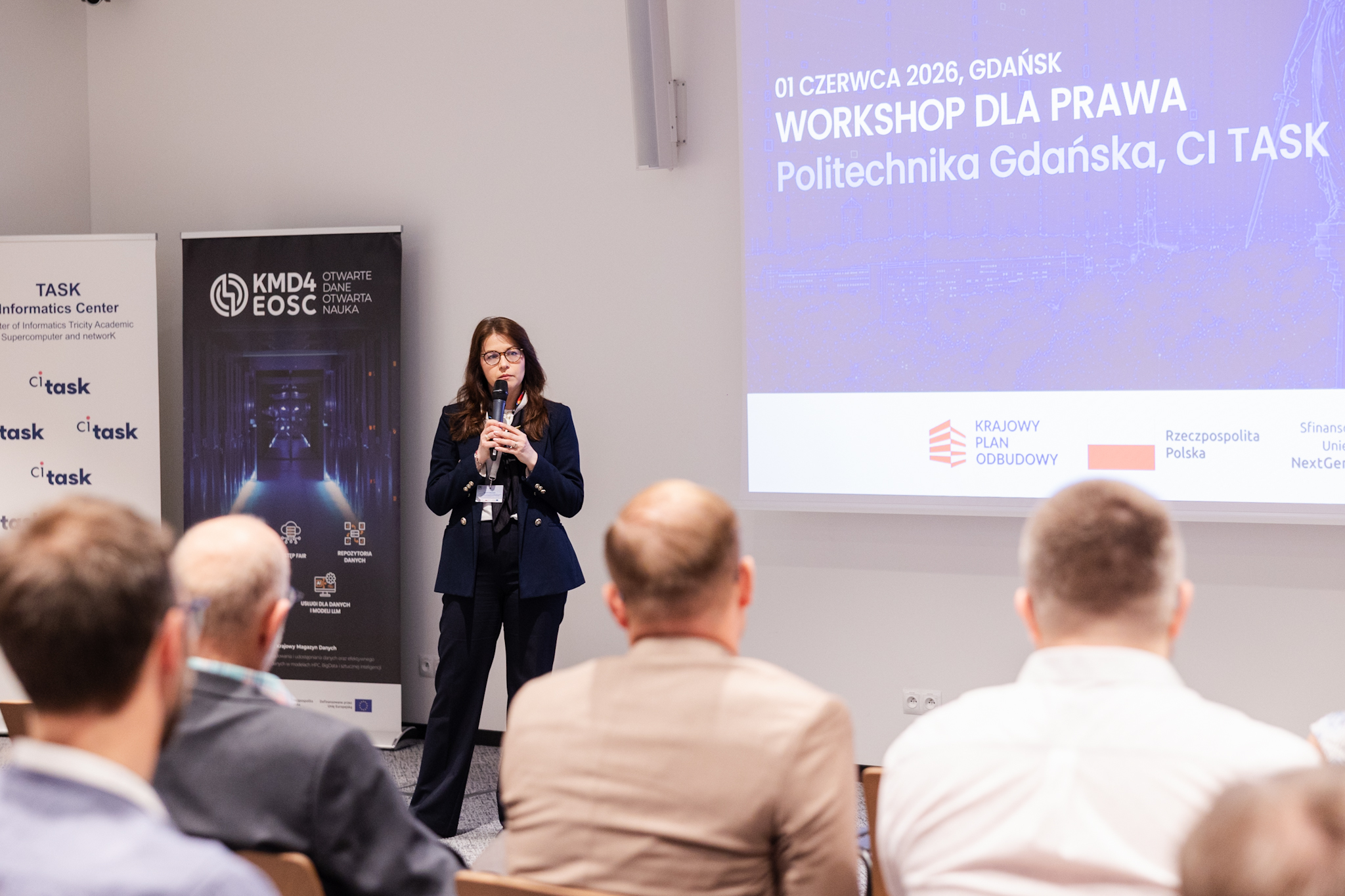
The participants were welcomed by Prof. Henryk Krawczyk, the project manager of CAISE, who presented the main assumptions of the project and the importance of the TASK CI infrastructure for the development of modern digital services. In his speech, Prof. Krawczyk explained the idea behind the CAISE project, highlighting three key elements: cloud computing, artificial intelligence, and service engineering. He paid particular attention to the latter, contrasting it with the traditional approach to software development. "Instead of building large, costly, and difficult-to-maintain systems from scratch, greater importance is being placed on creating independent services operating in a cloud environment, which can be used in various applications and scenarios. This approach allows for faster solution design, easier modification, and more efficient response to user needs," said Prof. Krawczyk.
Practical solutions for administration
Representatives of public administration emphasized the practical dimension of the proposed solutions. The Government Legislative Center highlighted the importance of cooperation with the CAISE team and the possibility of using new technologies in the lawmaking process. It was noted that although AI-based solutions and advanced IT infrastructure might seem complicated from a legal perspective, their potential to improve legislation is significant. The importance of collaboration with experts who can translate technological language into the specific needs of the legislative process was also stressed.
Representatives of the Chancellery of the Sejm pointed out the need to use models, databases, and IT tools in working on legal texts. Topics discussed included legal text editing, document structure organization, numbering, references, and the possibility of simplifying the preparation and publication processes of legal acts. It was noted that modern tools can aid not only legislators but also increase the transparency of the lawmaking process for its recipients.
An important viewpoint came from the Chancellery of the Prime Minister, representing the area of regulatory impact assessment. It was indicated that new technologies can support officials responsible for analyzing the impacts of proposed regulations. The direction of work on a virtual regulatory impact assessment assistant was also presented, which in the future could serve as an intelligent tool supporting analysis and document preparation in the legislative process.
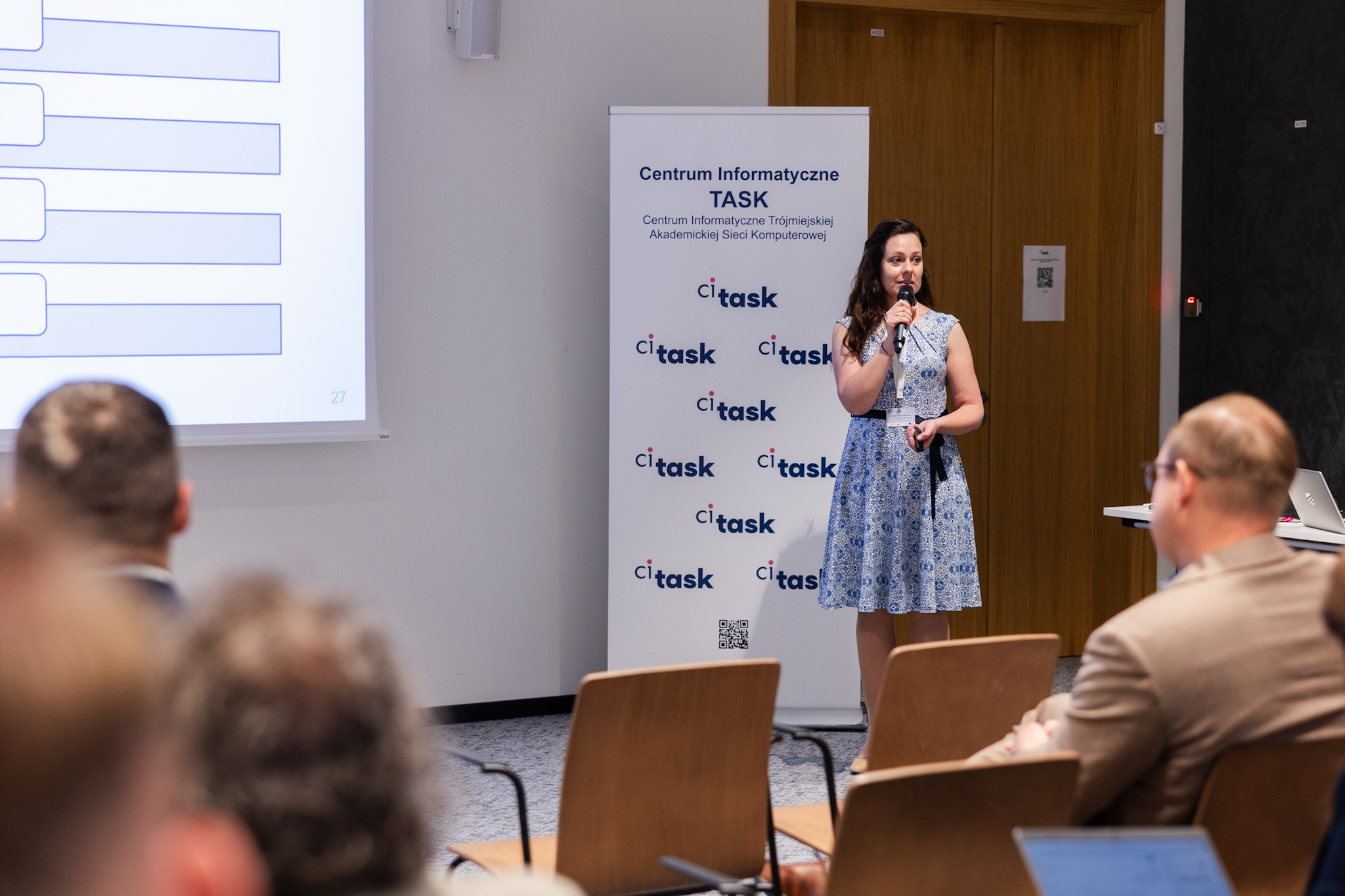
A significant part of the event was the presence of representatives from the academic community and the Legal Tech sector. The University of Gdańsk was represented by experts working on legal information systems and technological support for handling legal texts. Representatives of Wolters Kluwer highlighted their experience related to the development of legal acts, case law, and interpretative documents, as well as the development of legal information systems and AI-based tools. Currenda presented the perspective of a technology company operating at the intersection of law and IT, pointing among other things to their experience in creating systems supporting the monitoring of the legislative process.
Panel discussion and roundtable conversations
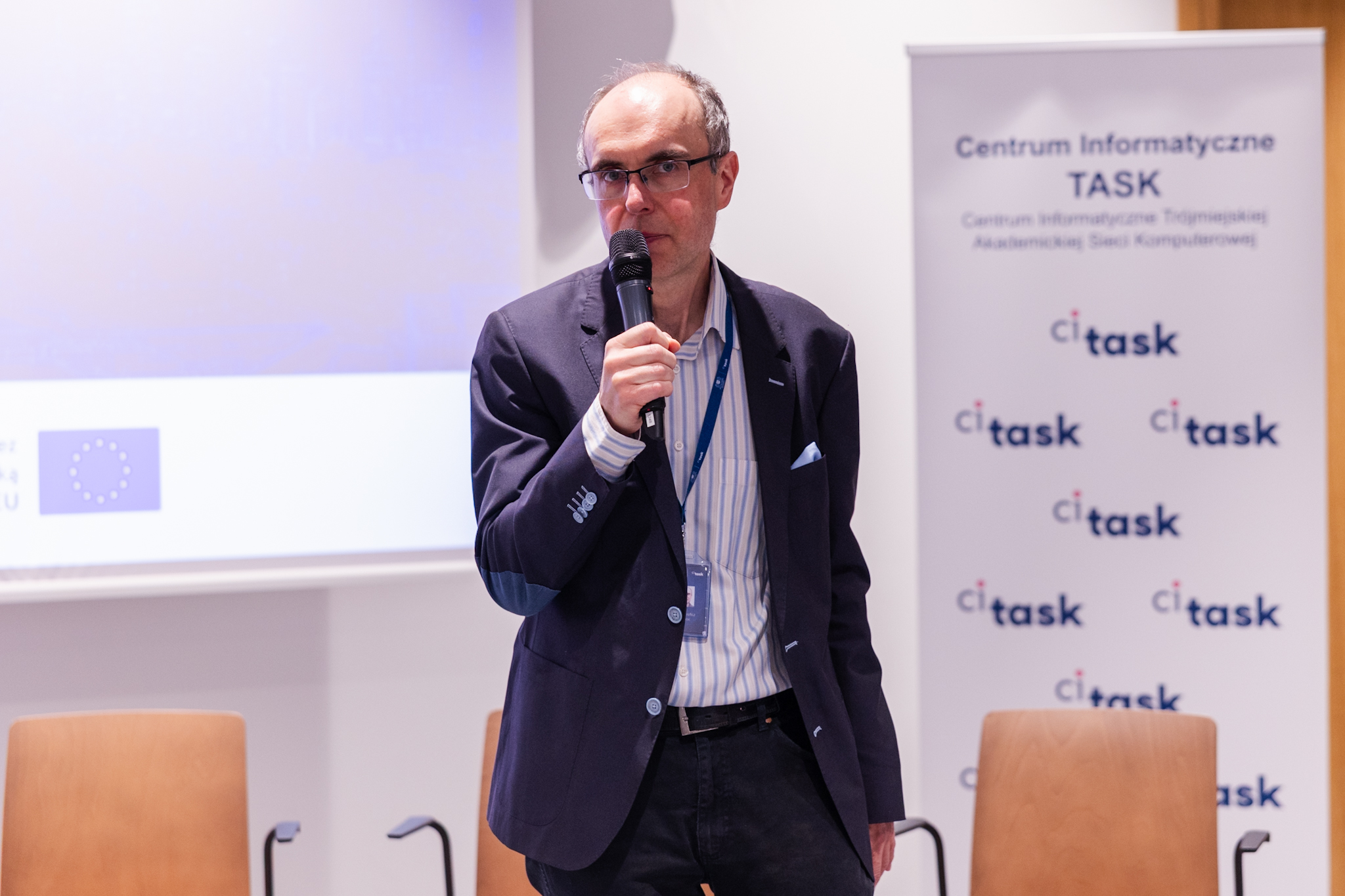
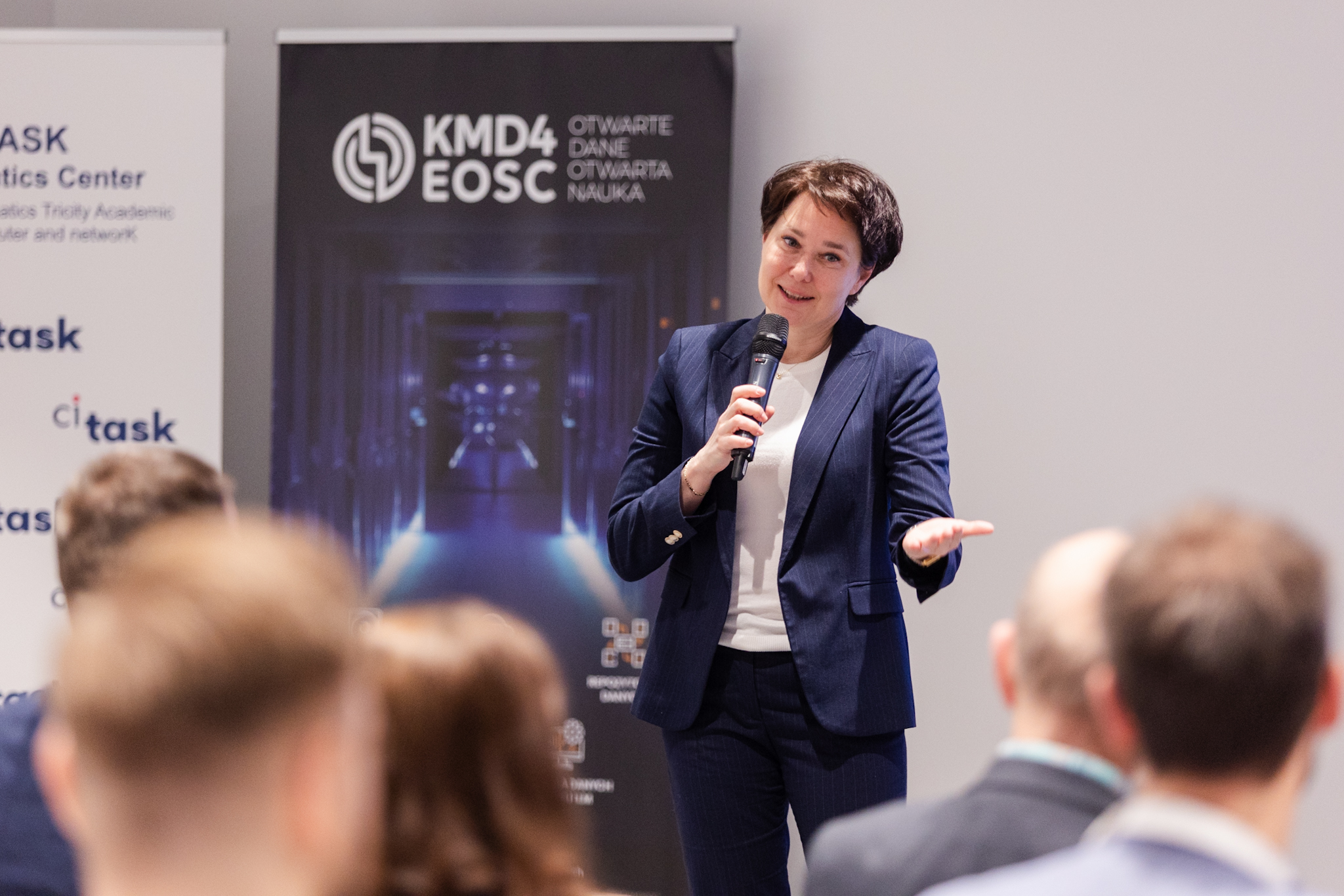
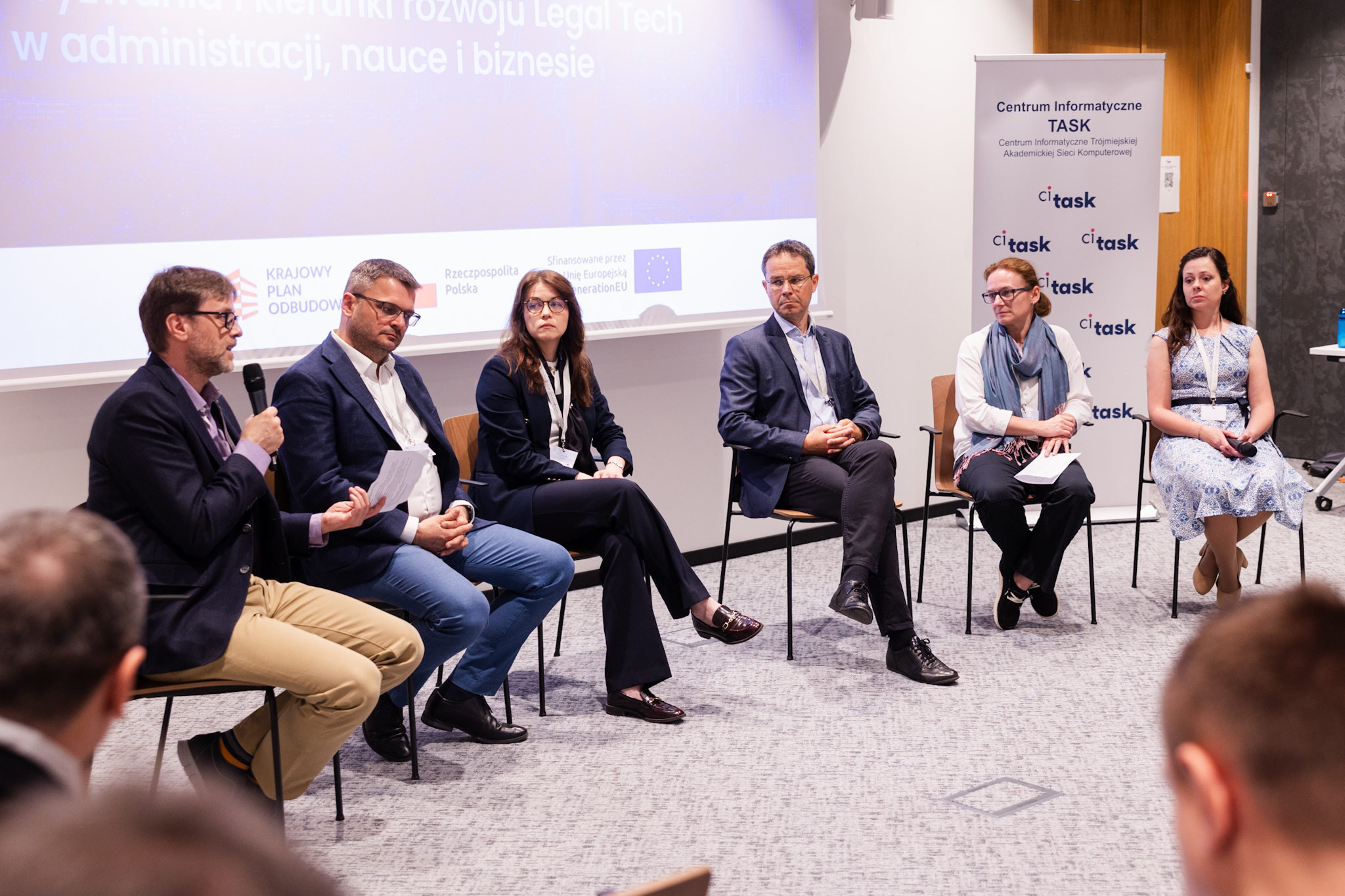
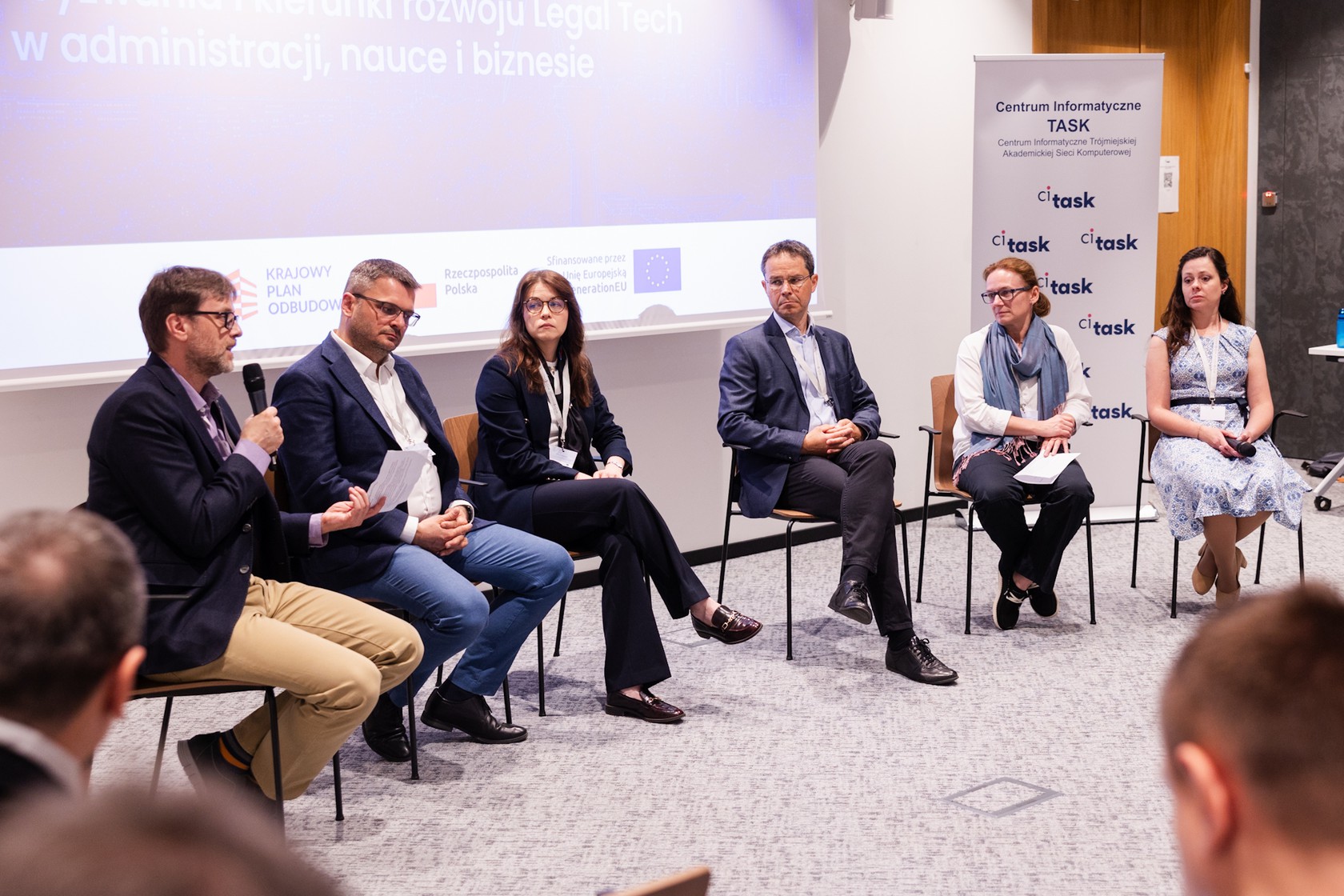
Following the presentations, a panel discussion was held devoted to the challenges and development directions of Legal Tech in administration, academia, and business. It was an opportunity to discuss how modern technologies can support public institutions, what the real needs of legislators are, and how to build useful, safe, and tailored tools suitable for working with legal materials. The discussion emphasized the need for close collaboration between lawyers, IT specialists, analysts, and administration representatives.
In the second part of the day, participants took part in roundtable conversations and thematic sessions. This part of the program enabled a more direct exchange of experiences, identification of the needs of individual institutions, and indication of possible areas for further cooperation. The conversations focused on practical applications of the CAISE platform, possibilities for automating selected stages of work with legal documents, and potential scenarios for using artificial intelligence in legislation.
The workshop concluded with a summary of the roundtable discussions and joint conclusions, followed by a tour of the TASK CI server room. Participants had the opportunity to see the technological infrastructure that forms the foundation for the developed services and projects.