ENHANCE students worked on the future of the Young City
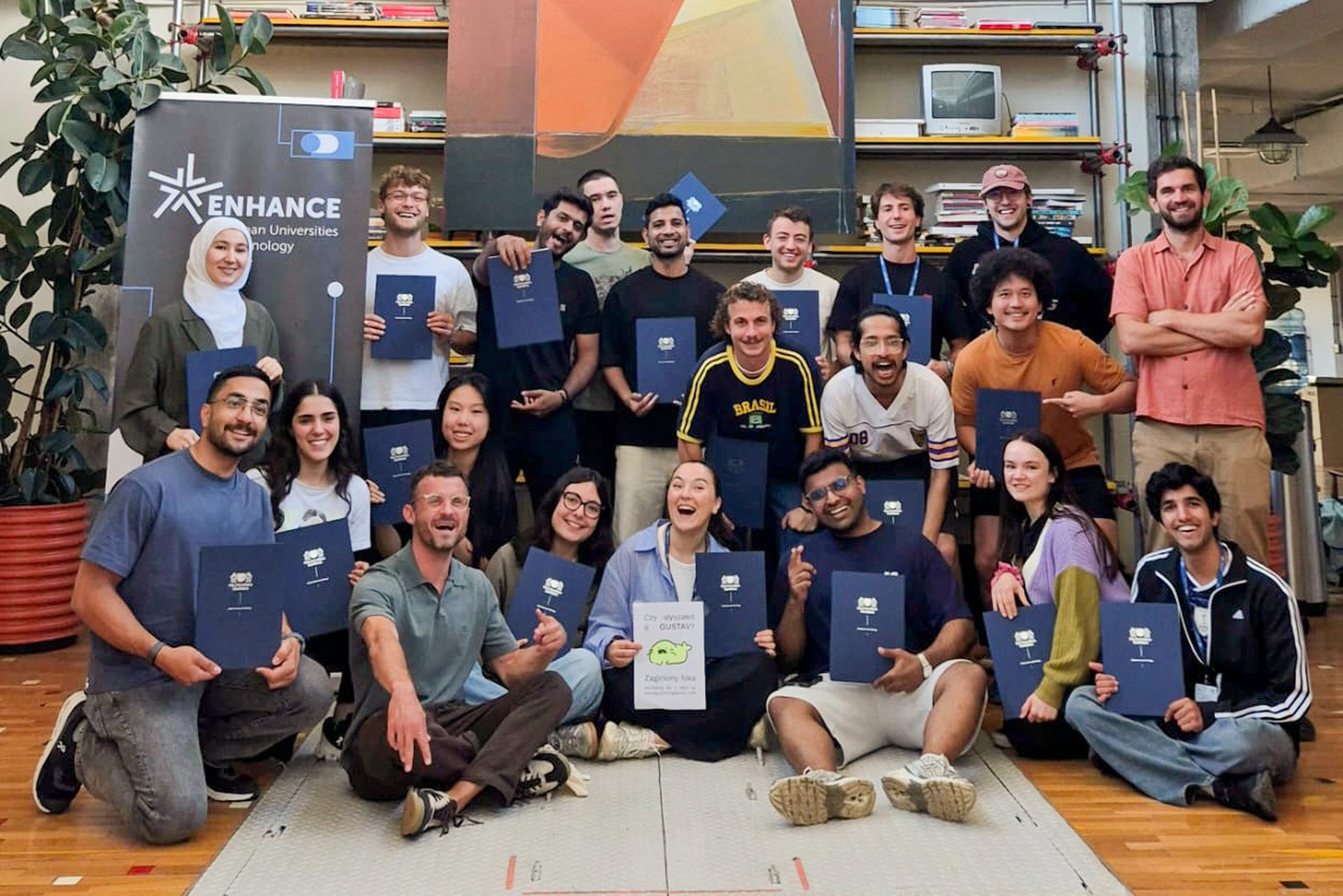
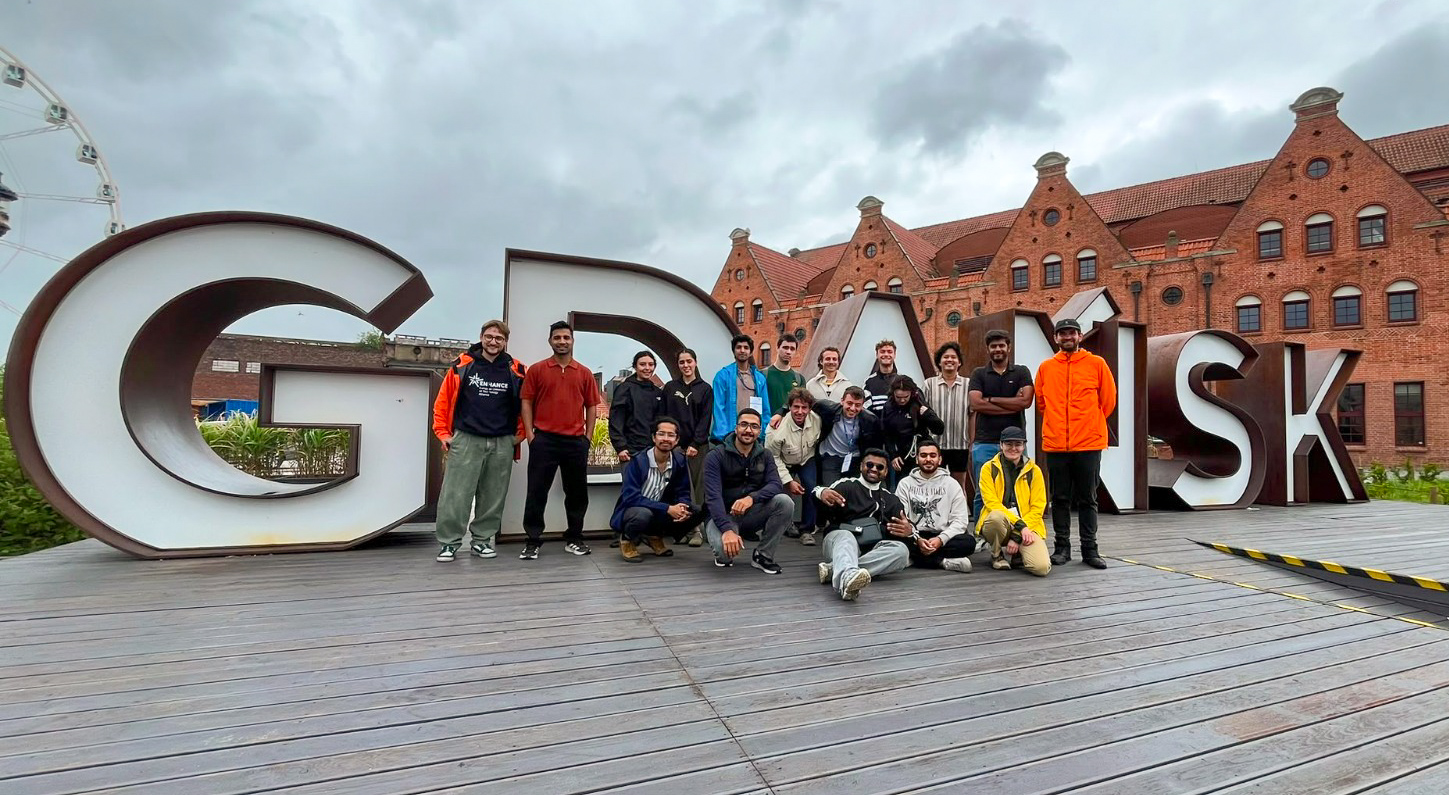
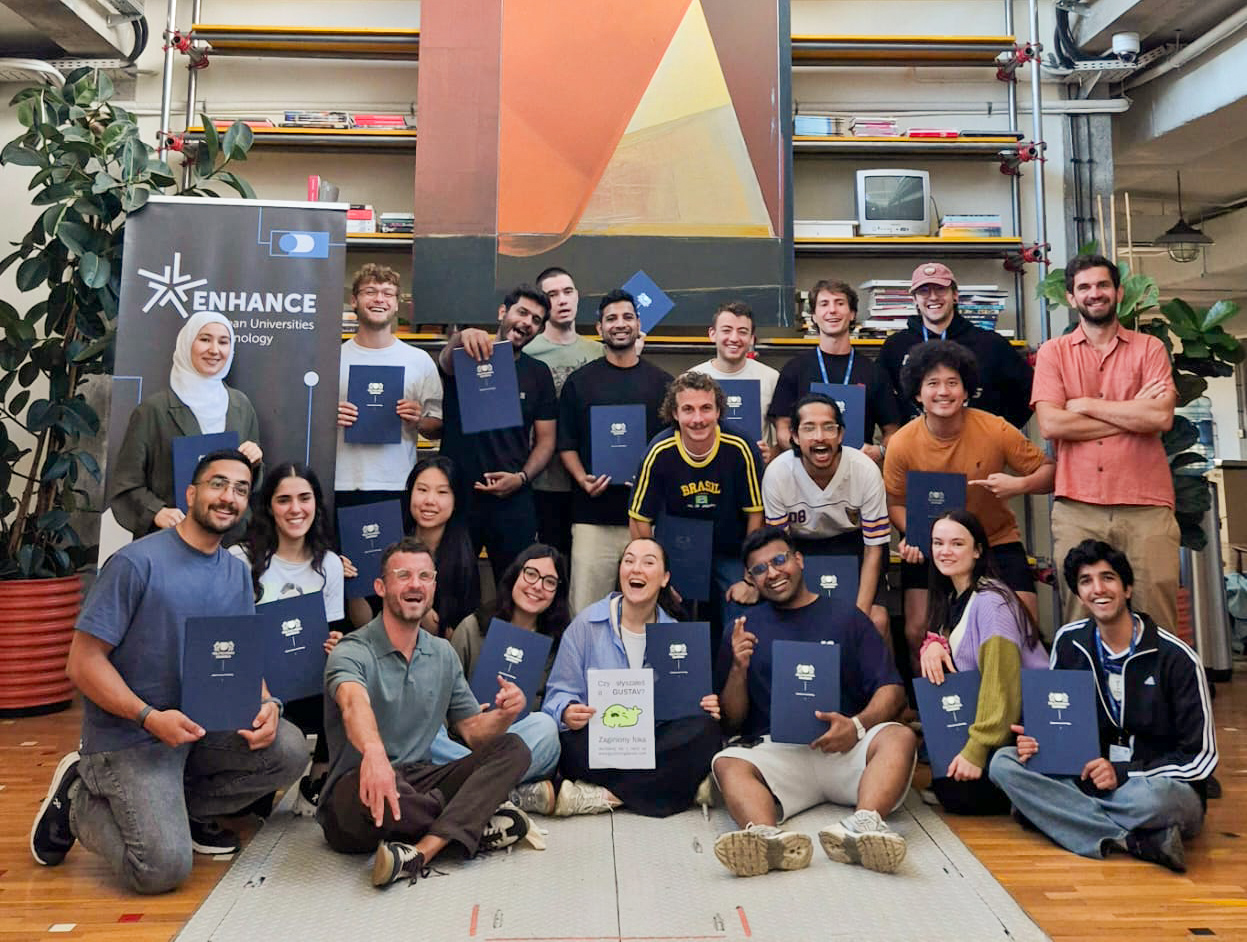
30 students from six European universities participated in the Plotting Sustainability – Power Struggles in the City summer school in Gdańsk. During workshops and field activities, they analyzed the challenges related to the sustainable development of the Young City and developed their own concepts regarding the future of this part of Gdańsk.
30 students from six European universities participated in the Plotting Sustainability – Power Struggles in the City summer school in Gdańsk. During workshops and field activities, they analyzed the challenges related to the sustainable development of the Young City and developed their own concepts regarding the future of this part of Gdańsk.
The event was attended by students from Gdańsk Tech, Warsaw University of Technology, Technische Universität Berlin, RWTH Aachen University, Universitat Politècnica de València, and Delft University of Technology. The organization of the school on the part of Gdańsk Tech was handled by the ENHANCE PG Office.
The course was conducted in a Blended Intensive Programme format. Online meetings held at the beginning of July preceded five days of on-site classes in Gdańsk, organized from 20 to 24 July. The program included 10 hours of remote work and 30 hours of on-site activities, and the course itself was conducted in English.
Młode Miasto as a space for research
The main area of analysis was Młode Miasto, developing on the grounds of the former Gdańsk Shipyard. Historical industrial buildings and the heritage of Solidarity coexist there with new developments, cultural spaces, business activities, and planned investments.
The development of this part of Gdańsk requires reconciling many interests with the protection of its historic character. This has made Młode Miasto a real and complex urban challenge example for the participants of the school.
The program combined spatial planning, architecture, and art with critical analysis of social and environmental aspects of city development. Students examined the relationships between society and the environment, the influence of various groups on shaping space, and the possibilities of involving residents in decision-making concerning their surroundings.
Exploring the district in the field
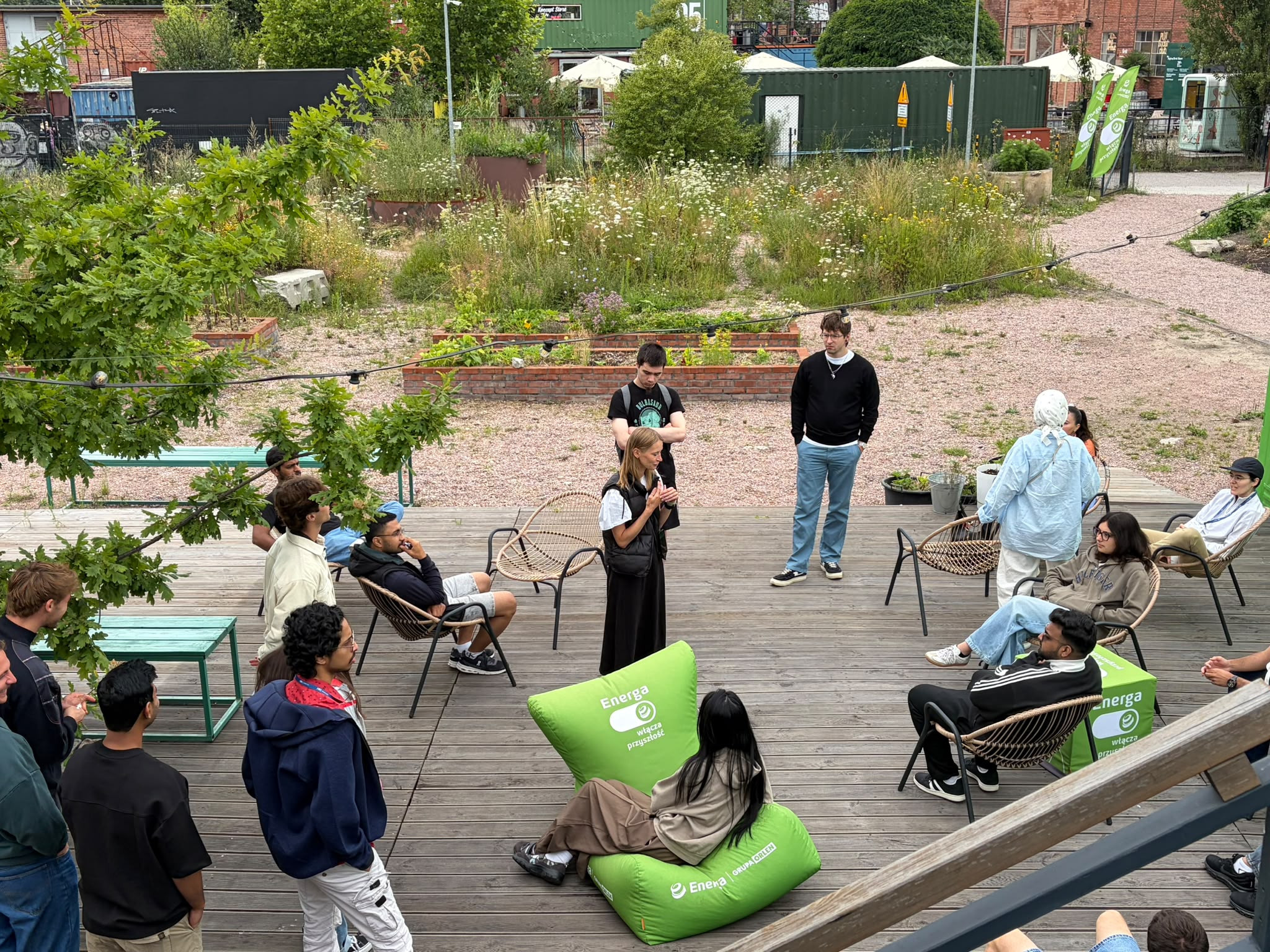
The on-site part took place at GridArt Hub at 100cznia, in the immediate vicinity of the studied area. The program was primarily based on workshop work, team activities, and meetings with people involved in the city’s development.
Students spoke with city representatives, planners, urban activists, and representatives of enterprises operating according to sustainable development principles. An important element of the classes was storytelling as a way to present different perspectives and possible directions for the district’s development.
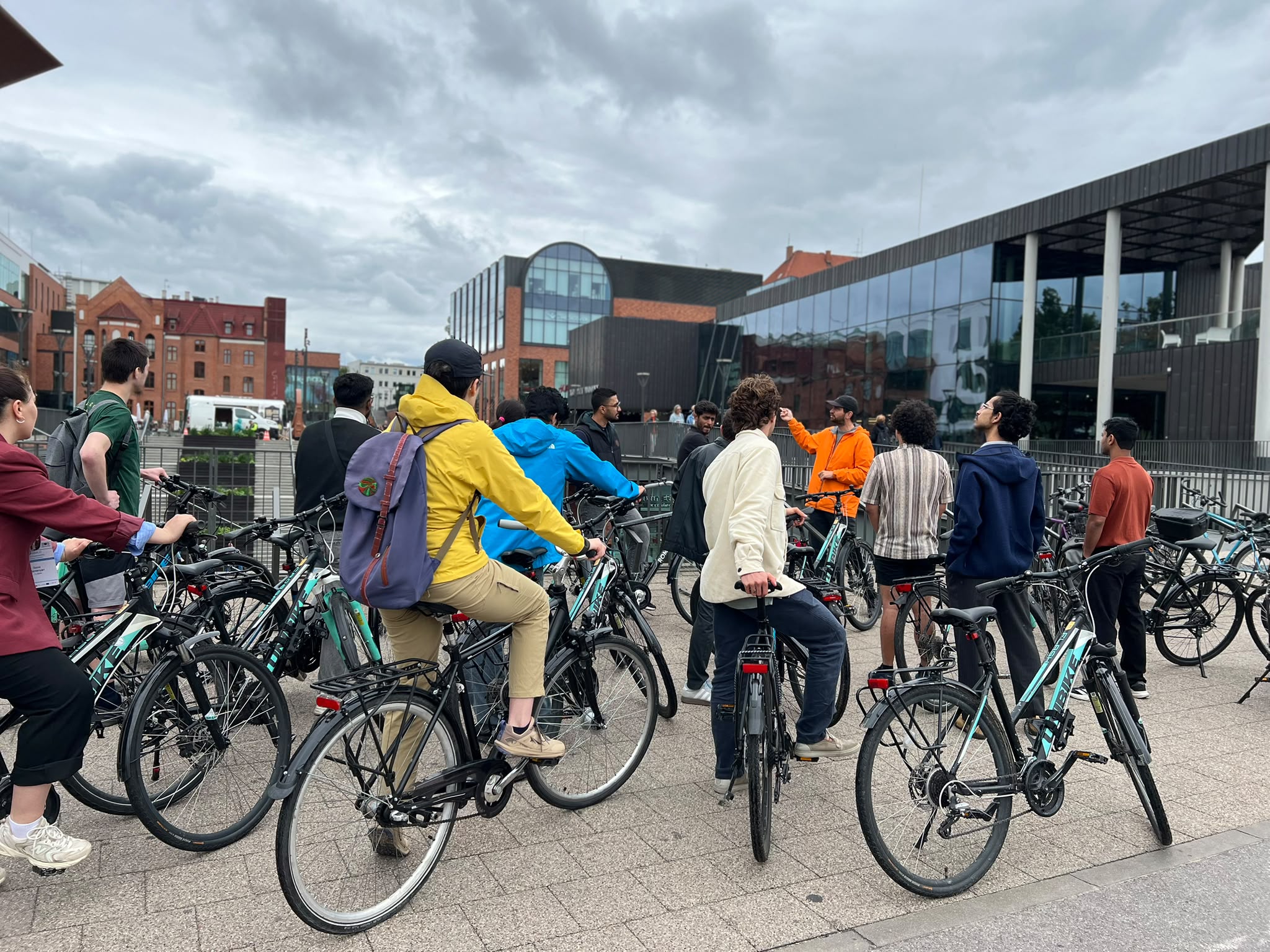
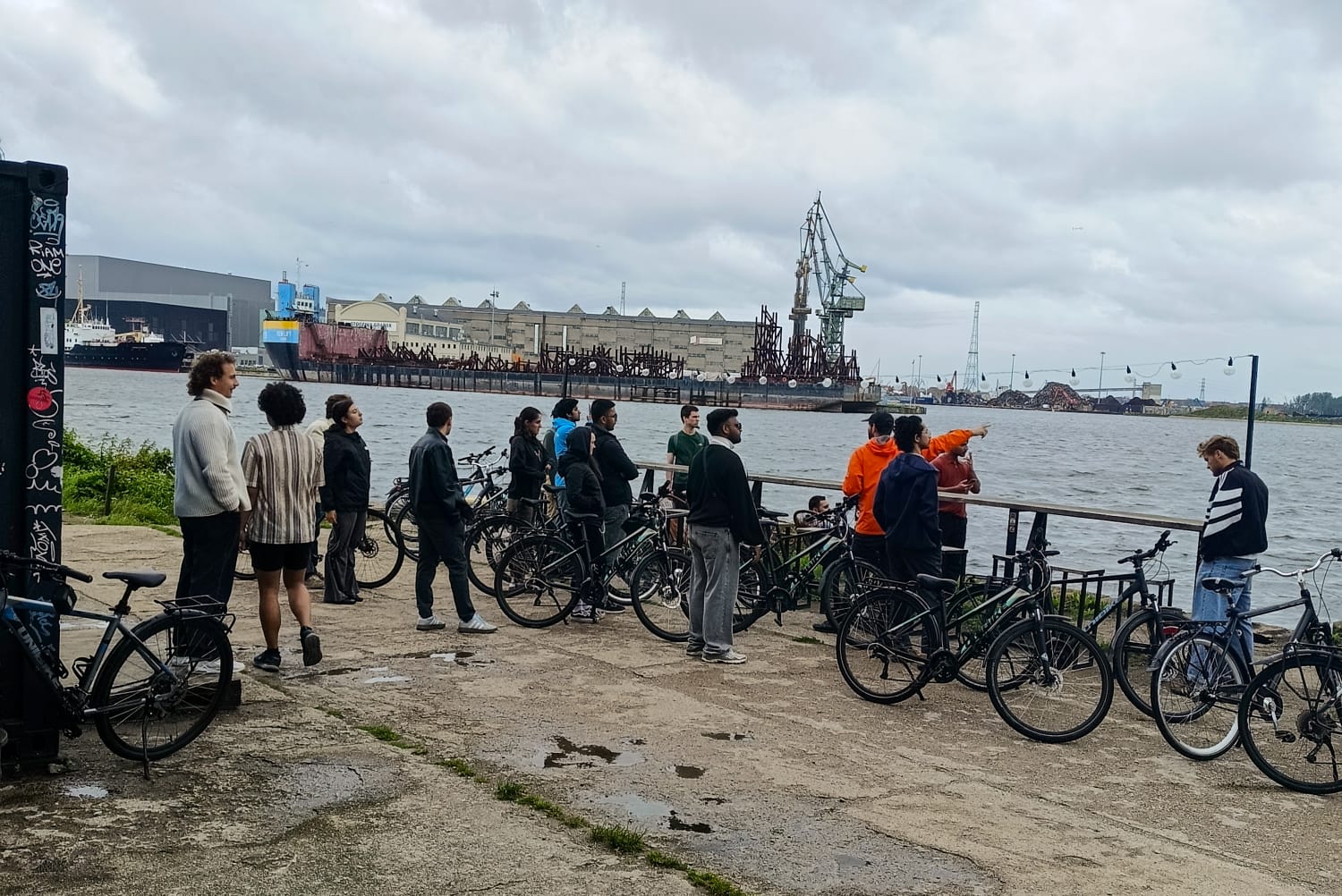
Exploring Młode Miasto was not limited to work at project tables. During bike trips, participants viewed the post-shipyard areas from perspectives including Góra Gradowa and the route along the Motława river.
The program also included walks around Solidarity Square, the Road to Freedom, and sites connected with the industrial and artistic heritage of the Gdańsk Shipyard. A kayaking trip allowed participants to see the shipyard quays and cranes from the water side.
Observations gathered during field activities became the starting point for further project work.
From observations to own concepts
Working in interdisciplinary teams, participants translated conclusions from field research, conversations, and workshops into their own proposals for the development of Młode Miasto.
A reference point was, among others, the concept of the fifteen-minute city, according to which the most important services and places of daily activity should be accessible within a short walk or bike ride.
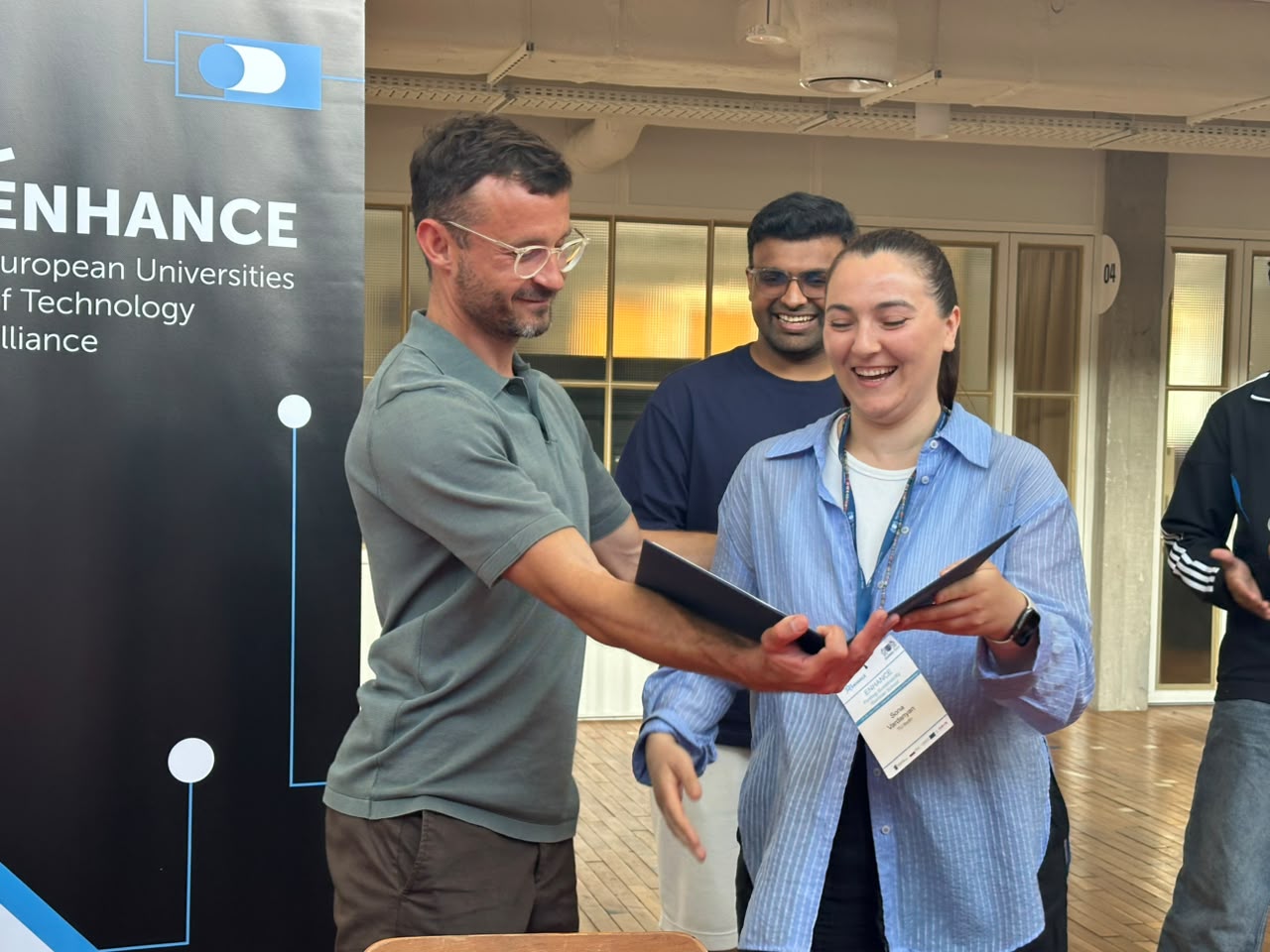
The results of the work were presented on the last day of the school to instructors, experts, and local partners. The final presentations demonstrated how observations collected during fieldwork can be translated into concepts concerning the future of Młode Miasto.
The summer school Plotting Sustainability – Power Struggles in the City was co-financed under the project “Strengthening the Capacity of Gdańsk Tech in the ENHANCE Alliance” (No. BPI/WUE/2024/1/00020), funded by the European Union under the “Support for Alliances of European Universities” programme (call No. FERS.01.05-IP.08-0219/23, edition 2024).