Gdańsk Tech Students Are Building a Water Drone to Support Rescuers
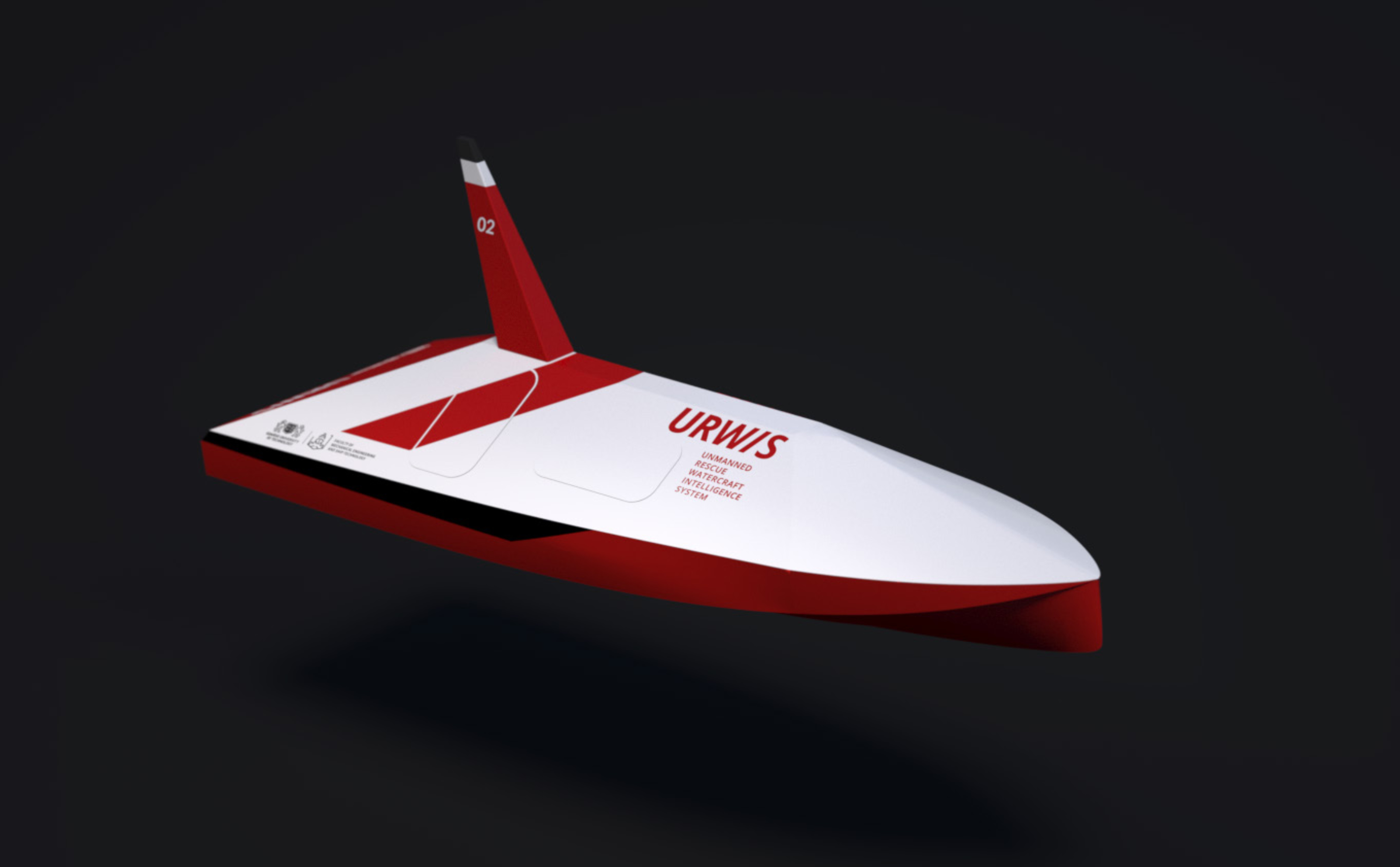
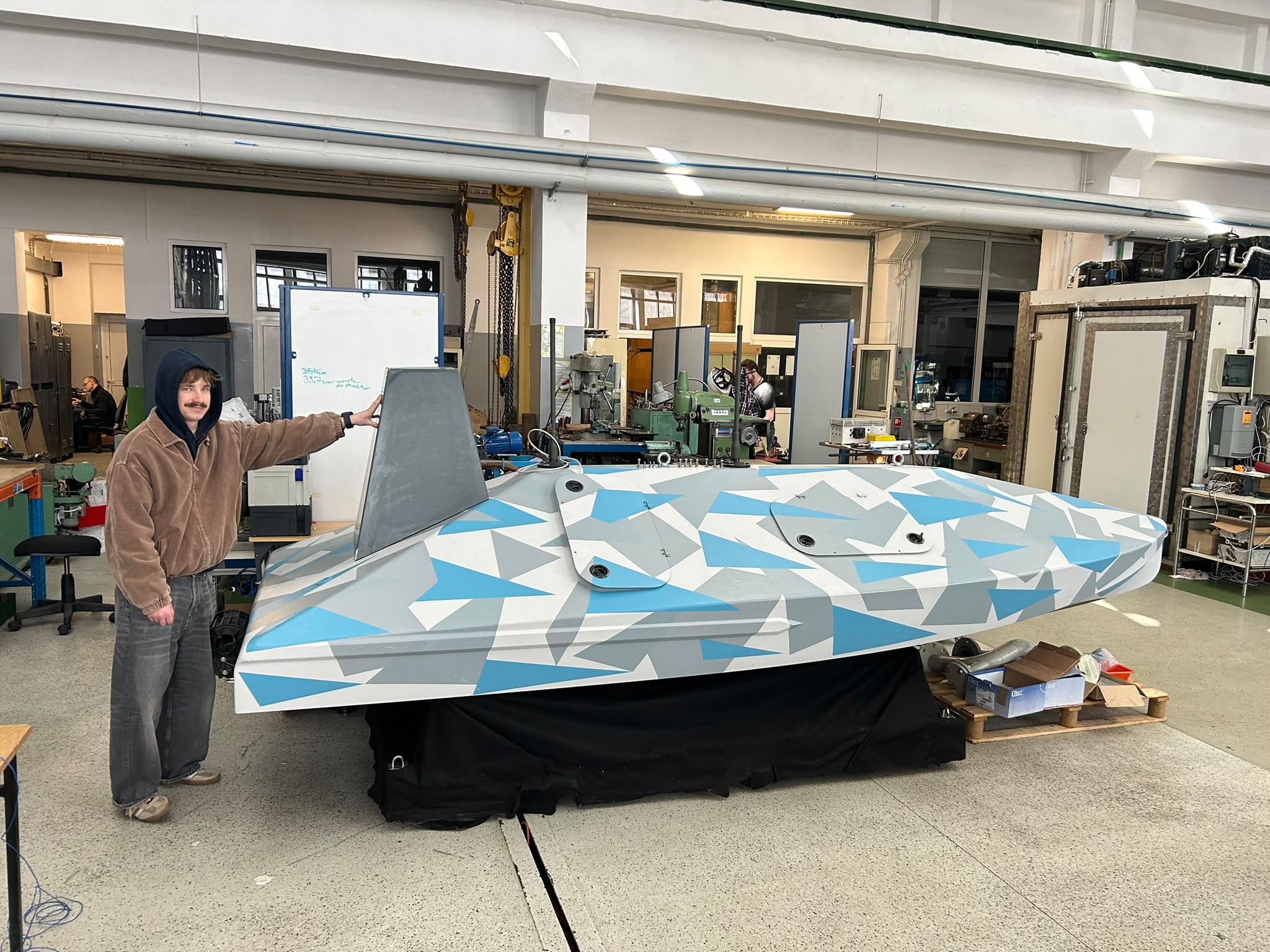
It is designed to quickly reach a person in need of assistance and deliver a flotation device before rescuers arrive on the scene. URWIS, an Unmanned Surface Vehicle (USV), is a project by students of the Faculty of Mechanical Engineering and Ship Technology at Gdańsk Tech, carried out as part of the "Universities of the Future" initiative.
It is designed to quickly reach a person in need of assistance and deliver a flotation device before rescuers arrive on the scene. URWIS, an Unmanned Surface Vehicle (USV), is a project by students of the Faculty of Mechanical Engineering and Ship Technology at Gdańsk Tech, carried out as part of the "Universities of the Future" initiative.
URWIS is intended to provide direct support for WOPR and other services responsible for safety on bodies of water. In addition to providing buoyancy aids, the drone, equipped with appropriate sensors, will be able to patrol designated areas and assist in the search for people missing in the water. This is especially important during operations carried out in difficult conditions, such as after dark, with limited visibility, or in high waves.
From Idea to Prototype
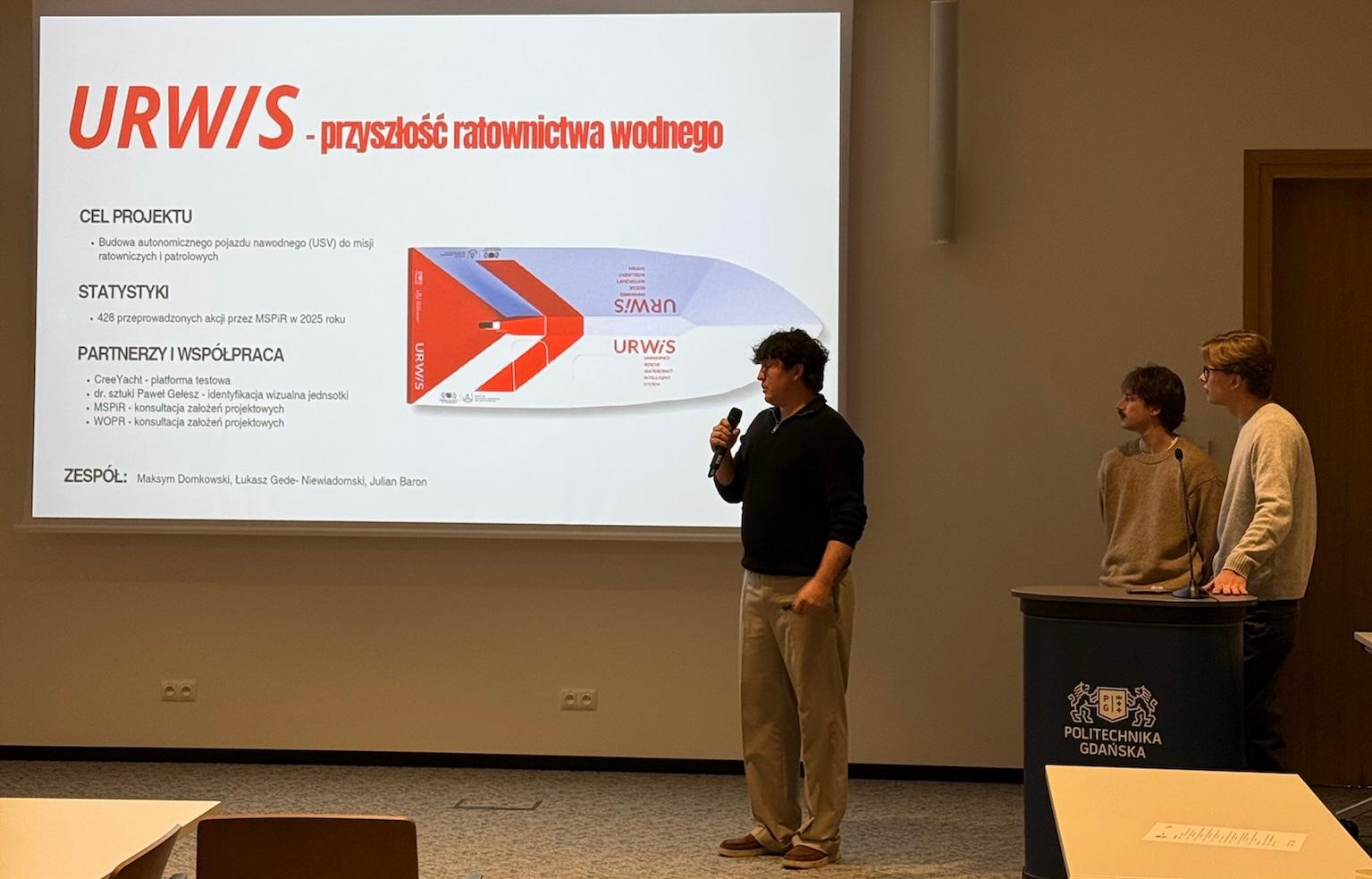
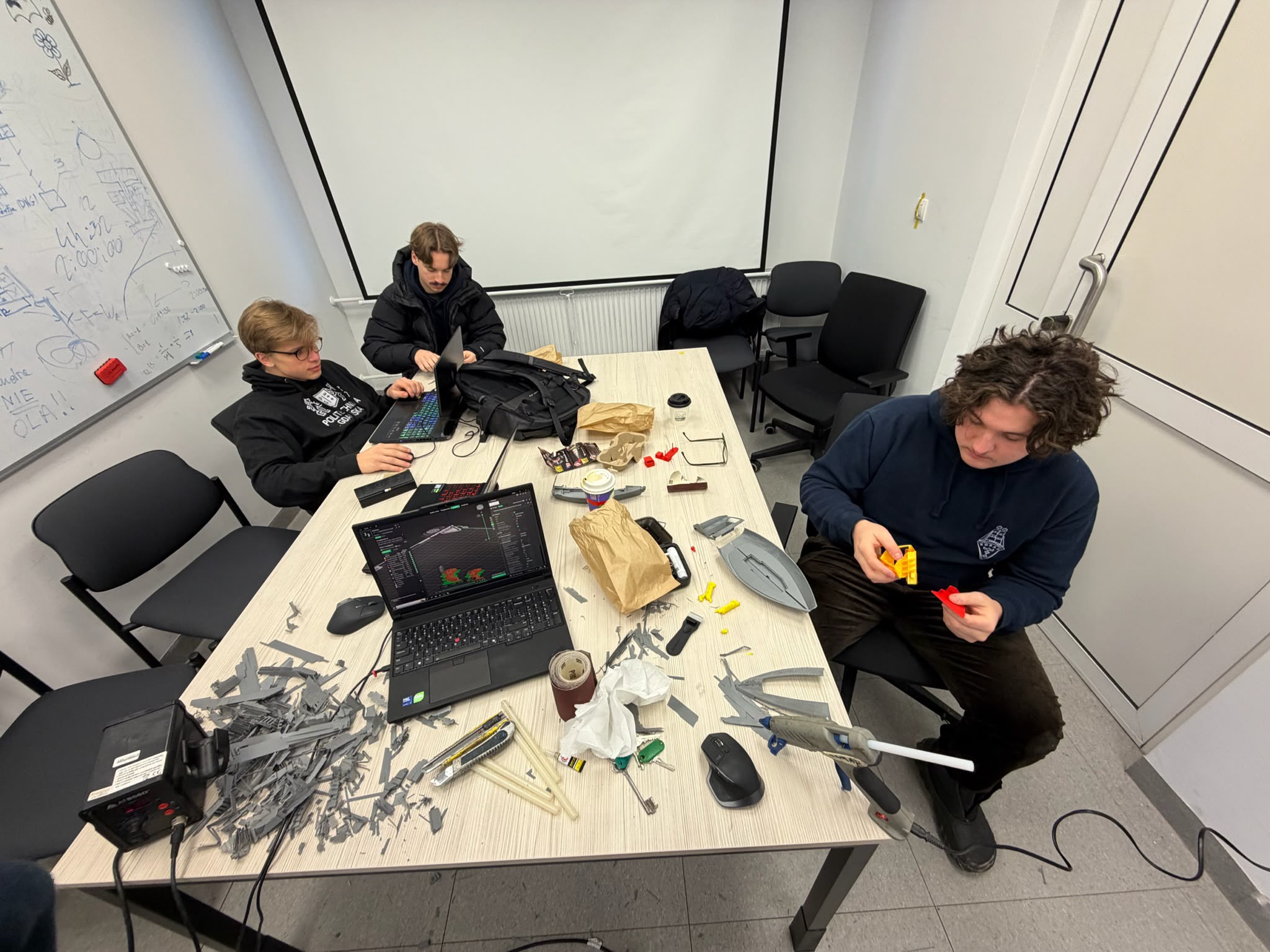
The project involves Maksym Domkowski, Julian Baron, and Łukasz Gede-Niewiadomski, students of the Faculty of Mechanical Engineering and Ship Technology at Gdańsk Tech.
– The idea was born from combining our personal interests with our field of study, which is yacht design and construction. We are fully aware of the dangers associated with water sports and being near water. The desire to seek innovative solutions that genuinely enhance people's safety became our main motivation – says Maksym Domkowski, a student at the Faculty of Mechanical Engineering and Ship Technology at Gdańsk Tech.
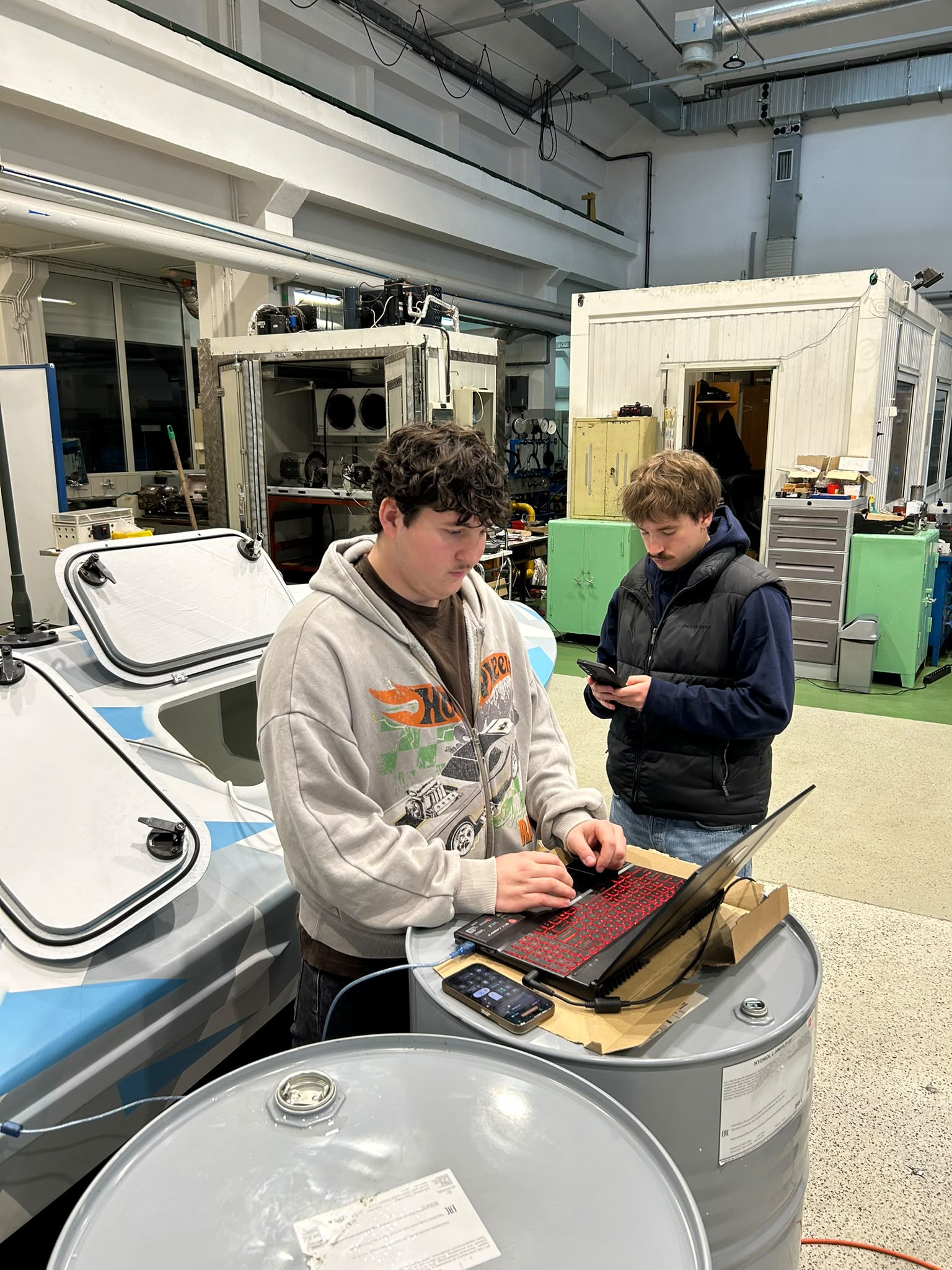
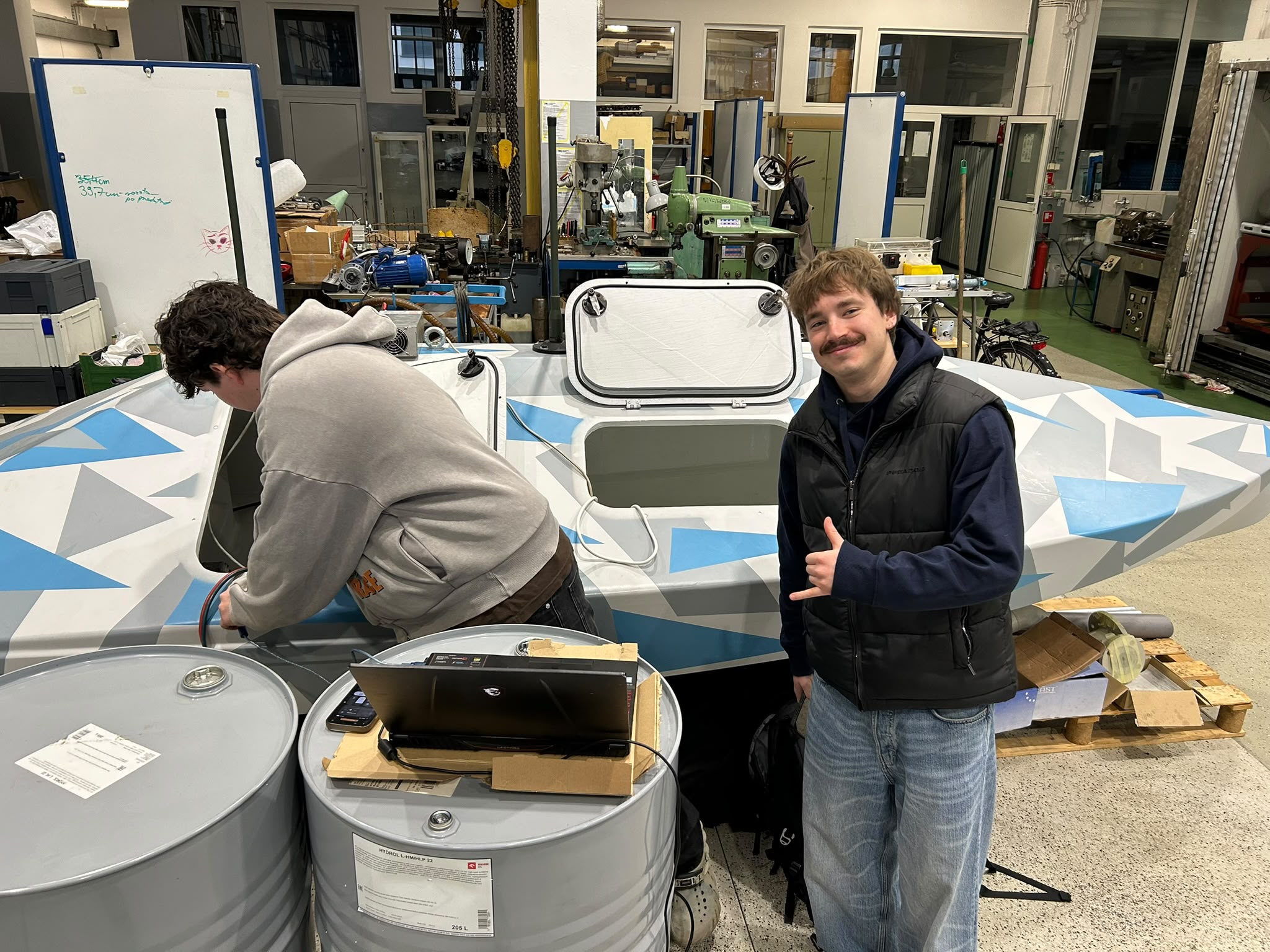
The students have already tested the hull for hydrodynamics and are now focusing on electronics and control systems. They are working on the onboard computer, telemetry modules that ensure stable communication with the operator onshore, and integrating a thermal imaging system needed during operations conducted after dark.
Technology to Support Rescuers
As the project authors emphasize, their greatest satisfaction comes from knowing that they are creating a solution that may help save lives in the future.
– Already during our studies, we can go through the entire design process and apply the knowledge gained during classes in practice. This is a very valuable experience for us because URWIS combines design, unit construction, electronics, automation, and thinking about the real needs of rescue services – adds Maksym Domkowski.
Working on an unmanned surface vehicle also involves many technical challenges. Students must take care of, among other things, waterproofing, hull stability on waves, and the proper functioning of electronic systems in a demanding aquatic environment.
– The aquatic environment is unforgiving for an engineer. Ensuring watertightness, hull stability in waves, and the integration of thermal imaging is a significant technological challenge. In addition to technical issues, the business aspect has also proven to be a huge challenge for us. Building contacts within the industry, marketing activities, and long-term project development planning are completely new and demanding areas for us – emphasizes the Gdańsk Tech student.
In the near future, the URWIS team plans to conduct further tests and begin work on the full autonomy of the unit. They aim to develop URWIS as a project with startup potential, and in the longer term, expand the fleet with additional units and adapt them for other applications, including the protection of critical infrastructure.
The hull was provided to students by Cree Yacht, a company specializing in composite products (mainly watercraft). Students have been collaborating with Cree Yacht since the beginning of the project. Thanks to the expertise of specialists, URWIS is being implemented at a high level.
Project under the "Universities of the Future" initiative
URWIS is being developed as part of the "Universities of the Future" initiative, which aims to develop a new approach to educating first-cycle degree students. The program, implemented by the National Centre for Research and Development together with partner universities, including Gdańsk Tech, enables students to work on original projects with the support of academic and business mentors.
Participants can benefit from project funding up to PLN 20,000, specialist micro-courses, and an individual educational plan. This strengthens the connection between studies and practice, allowing students to develop solutions with implementation potential.
The project is implemented under the European Social Fund for the Development of Social Capital for the years 2021–2027, contract no. FERS.05.01-IZ.00-0080/24.