How to "sew" the city together, tame the waves, and develop computational methods in quantum mechanics? Small grants for Gdańsk Tech researchers
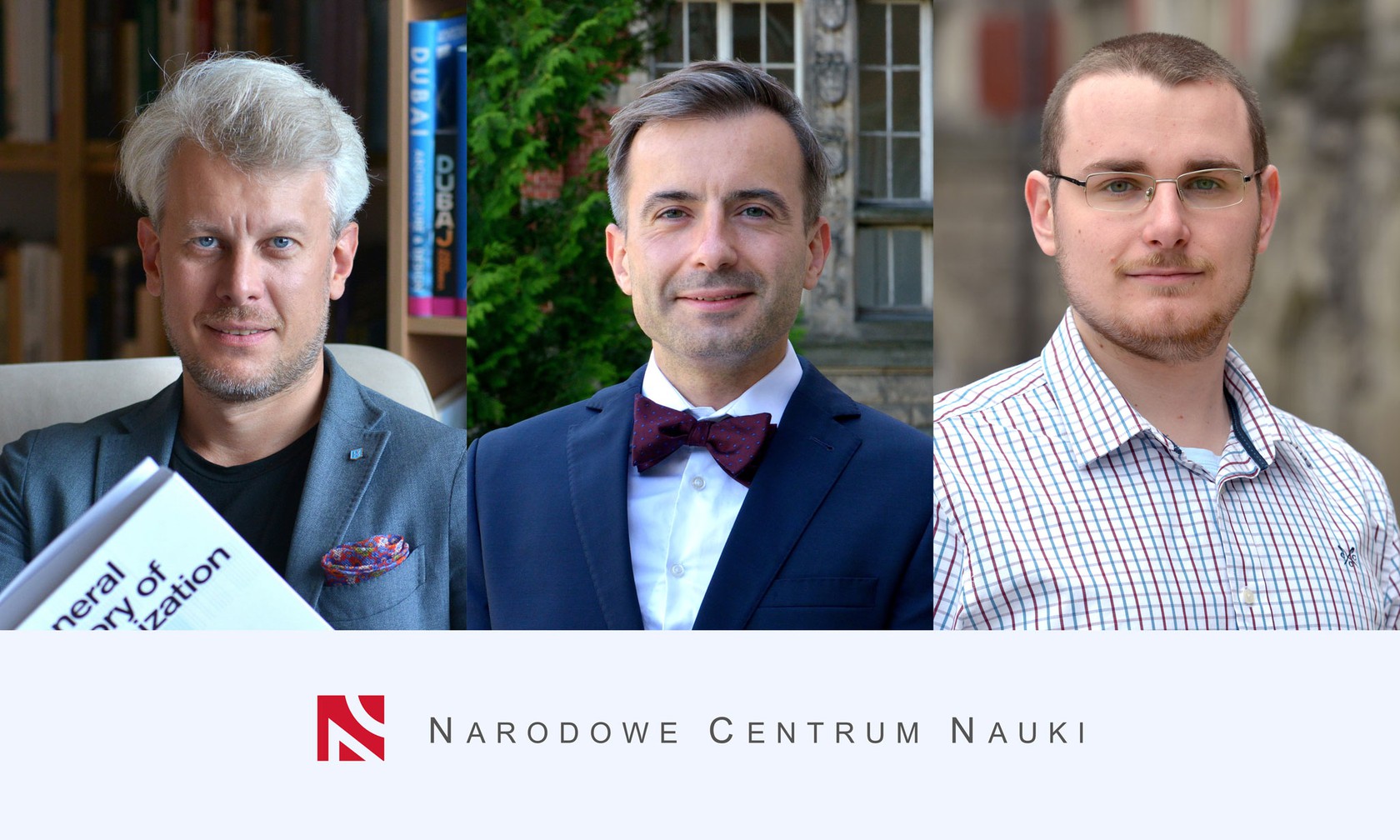
Three more researchers from Gdańsk Tech have received funding from the National Science Centre for scientific activities under the Miniatura 10 competition (March and April 2026 edition).
Three more researchers from Gdańsk Tech have received funding from the National Science Centre for scientific activities under the Miniatura 10 competition (March and April 2026 edition).
As part of the Miniatura 10 competition, scientists who obtained a doctoral degree up to 12 years before submitting the application and have at least one published or accepted-for-publication work in their portfolio, could receive funding (from PLN 5,000 to PLN 50,000) to carry out scientific activities in the form of preliminary research, literature review, or a scientific trip.
Development of an advanced computational quantum mechanics method
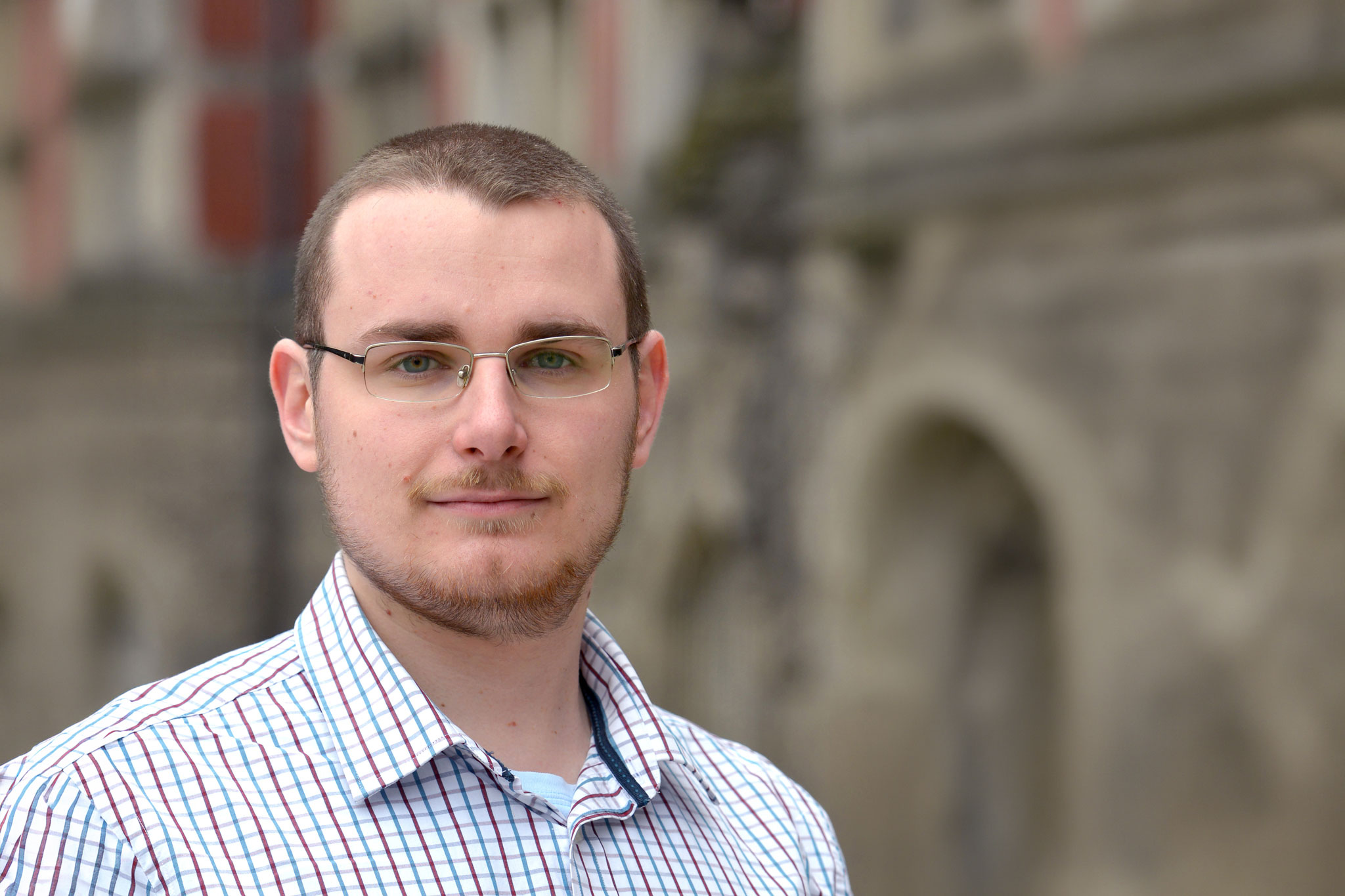
Dr Eng. Michał Piłat, Institute of Physics and Applied Informatics, Faculty of Technical Physics and Applied Mathematics, “Development of a multifunctional Dirac-Fock method for determining parameters of inelastic electron-atom collisions,” funding amount: PLN 28,551
The scientist will undertake a research trip to Vilnius University in Lithuania. The aim of the research is to develop the multiconfigurational Dirac-Fock method for application to problems related to electrons belonging to the continuous spectrum, in particular for calculations of excitation cross-sections. The multiconfigurational Dirac-Fock (MCDF) method is one of the most advanced computational methods in quantum mechanics. It allows for determining both relativistic bound states and states involving one or more electrons belonging to the continuous spectrum, i.e., scattering states. Excitation cross-sections are an essential parameter in the description of collisions and are used, among others, in astrophysical research, including the analysis of supernova explosion spectra and the processes occurring therein. The obtained results will also find applications in studies of astronomical and laboratory plasma, including plasma generated in tokamaks.
Green meeting place instead of a viaduct
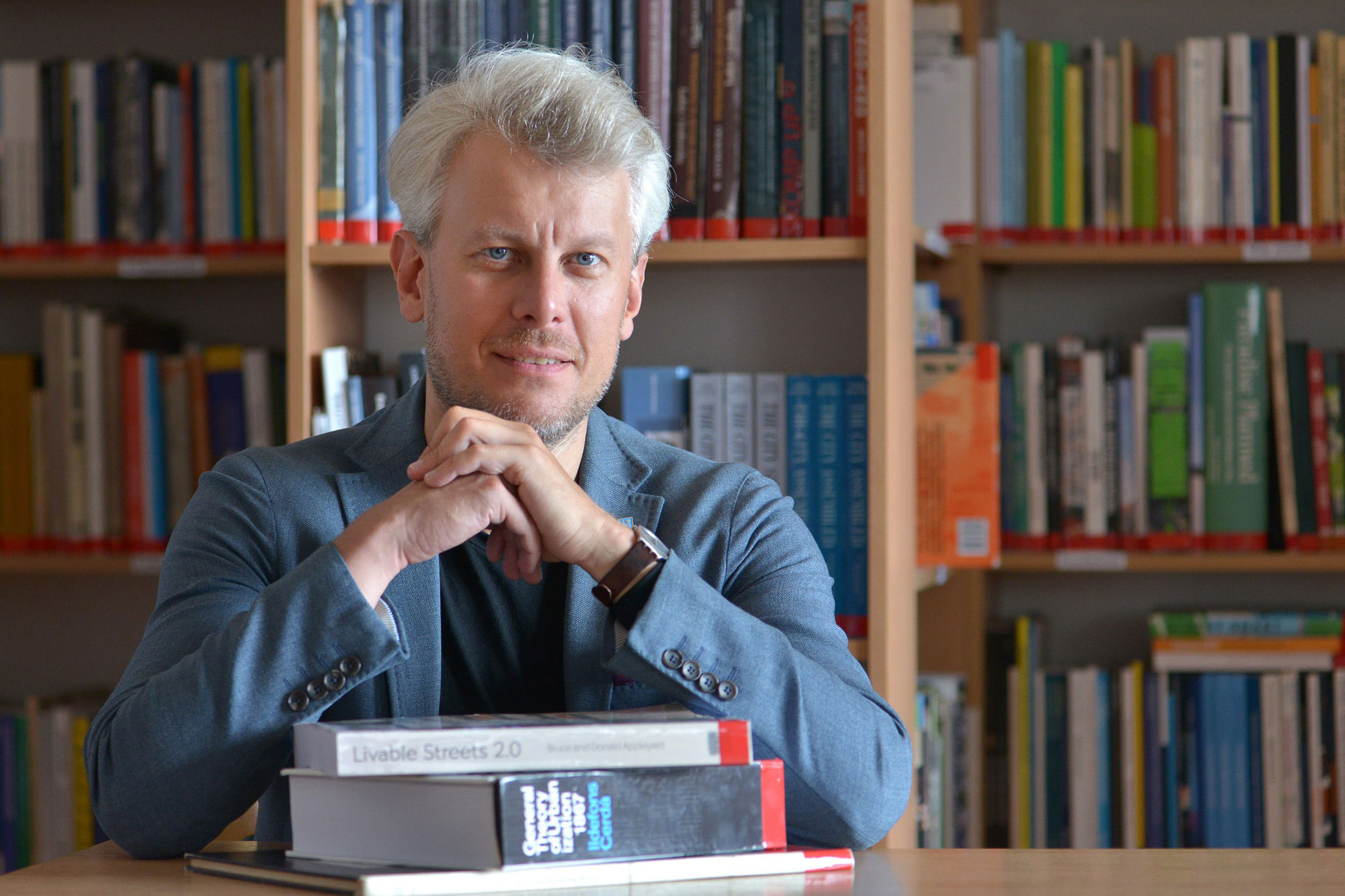
Dr Eng. Art. Arch. Piotr Smolnicki, Department of Advanced Urban Planning, Faculty of Architecture, literature review “Urban surgery: diagnosis and assessment of possibilities for ‘sewing up’ torn urban fabric through analysis of opportunities and limitations of implementing radial repair actions mitigating the effects of large-scale transport infrastructure in city centers,” funding amount: PLN 49,992
“Urban surgery” shows how contemporary cities can regain space lost to large-scale transport infrastructure. For decades, flyovers, routes, and viaducts have been built at the expense of historic streets, local communities, and urban continuity – often “tearing apart the urban fabric.” Today many of these structures are reaching “technical end-of-life,” and local authorities face the question: what next – to renovate, demolish, tunnel, or create new public spaces? The project studies global examples of such decisions – from Chorzów, Warsaw, and Szczecin to Bristol, Bratislava, Brussels, Odense, and Seattle – to uncover objective opportunities and limitations behind infrastructure transformation. The goal is to develop an original evaluation method that will help cities sew up torn downtowns, restore life to spaces degraded by car traffic, and reconnect divided districts. This research is for everyone who believes that even the most problematic city fragments can become future places for meetings, greenery, and urban energy.
Measurements in real conditions
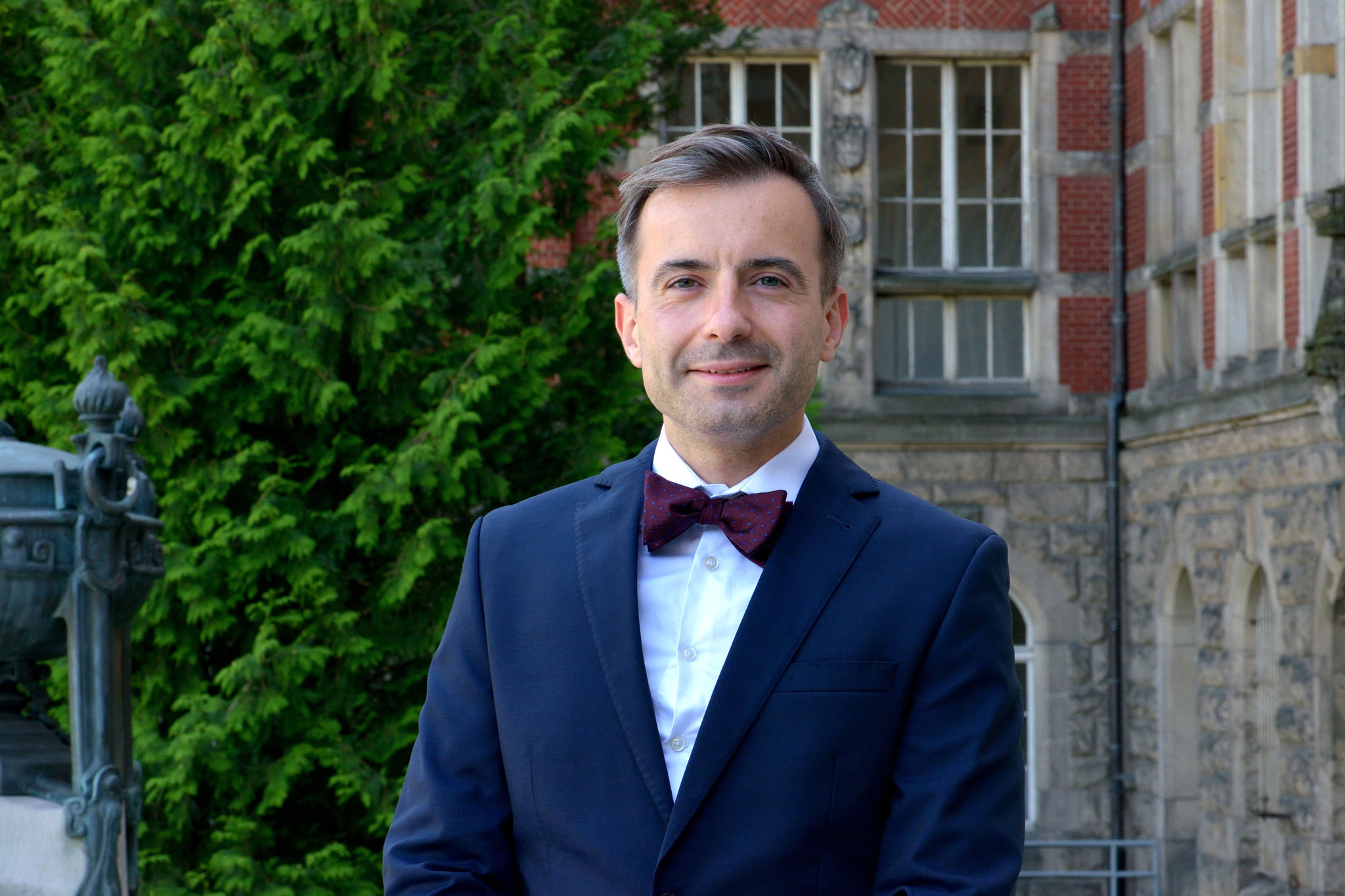
Dr Eng. Marcin Drzewiecki, Department of Electric Drive Automation and Energy Conversion, Faculty of Electrical Engineering and Automation, “Modeling the spectral energy density of wave motion in coastal areas considering tsunami wave dynamics and wave reflections,” funding amount: PLN 49,931.
The scientist will undertake a research trip to the Polytechnic University of Bari in Italy. His scientific activity involves conducting research and acquiring new knowledge about sea wave phenomena and their impact on the spectral energy density of wave motion in coastal areas. The phenomena studied will include meteotsunamis – long gravity waves which are a more easily recorded and analyzed natural analogue of tsunamis – and water wave reflections from the coastline that affect the spectral energy density of wave motion. The scientific objective of the project is to understand the relationships between these phenomena and wave propagation as well as the spectral energy density of wave motion. The unique coastal conditions of the selected region allow observation and recording of the studied phenomena, making it a suitable environment for measurements in real conditions. The research results will be used to develop a new model of spectral energy density of wave motion, which is expected to contribute to the development of hazard assessment methods in coastal areas as well as technologies for harvesting free sea wave energy and converting it into useful electrical form.