Micropollutants and Antimicrobial Resistance Under the Microscope During the ENHANCE APRIORA One Health Summer School
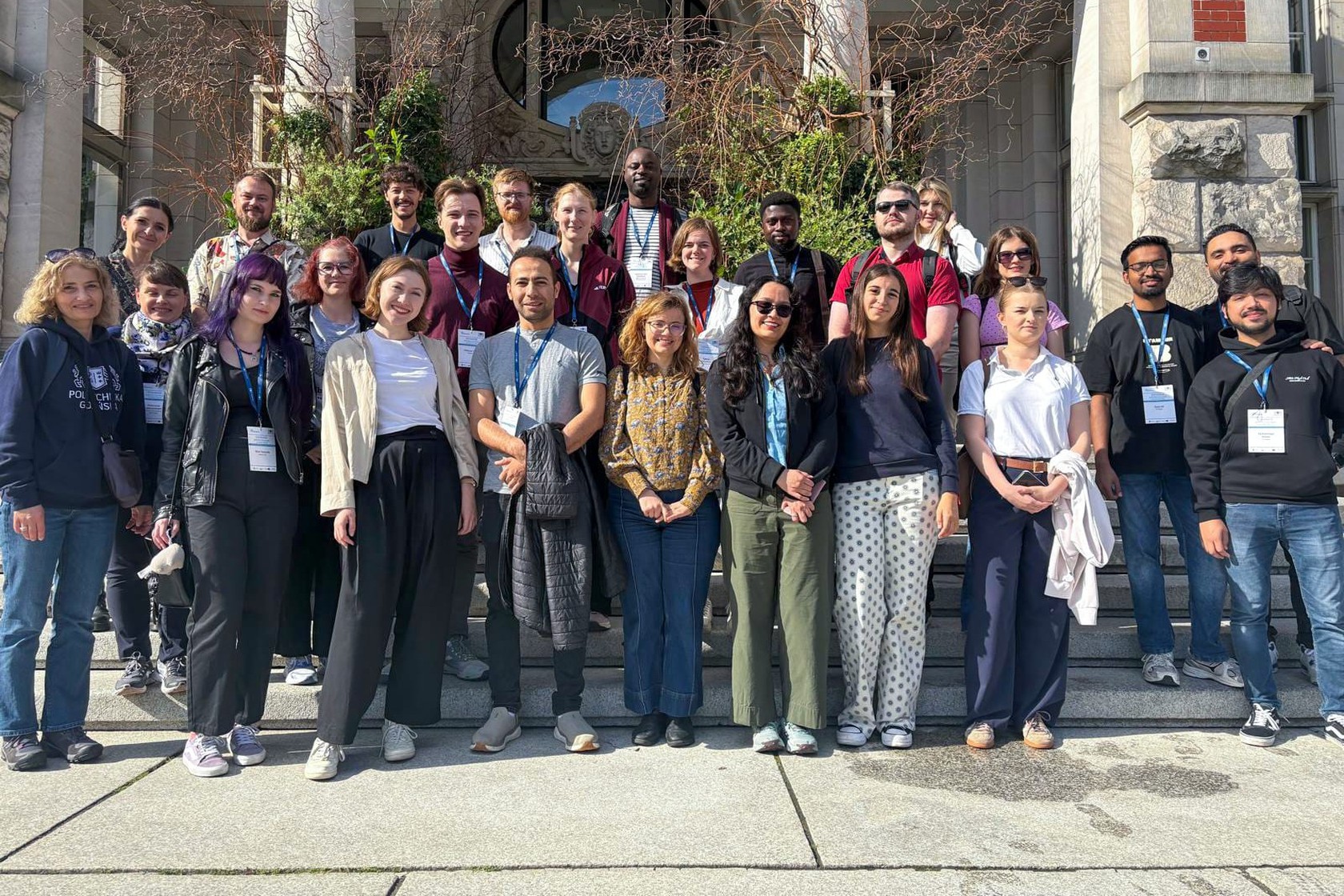
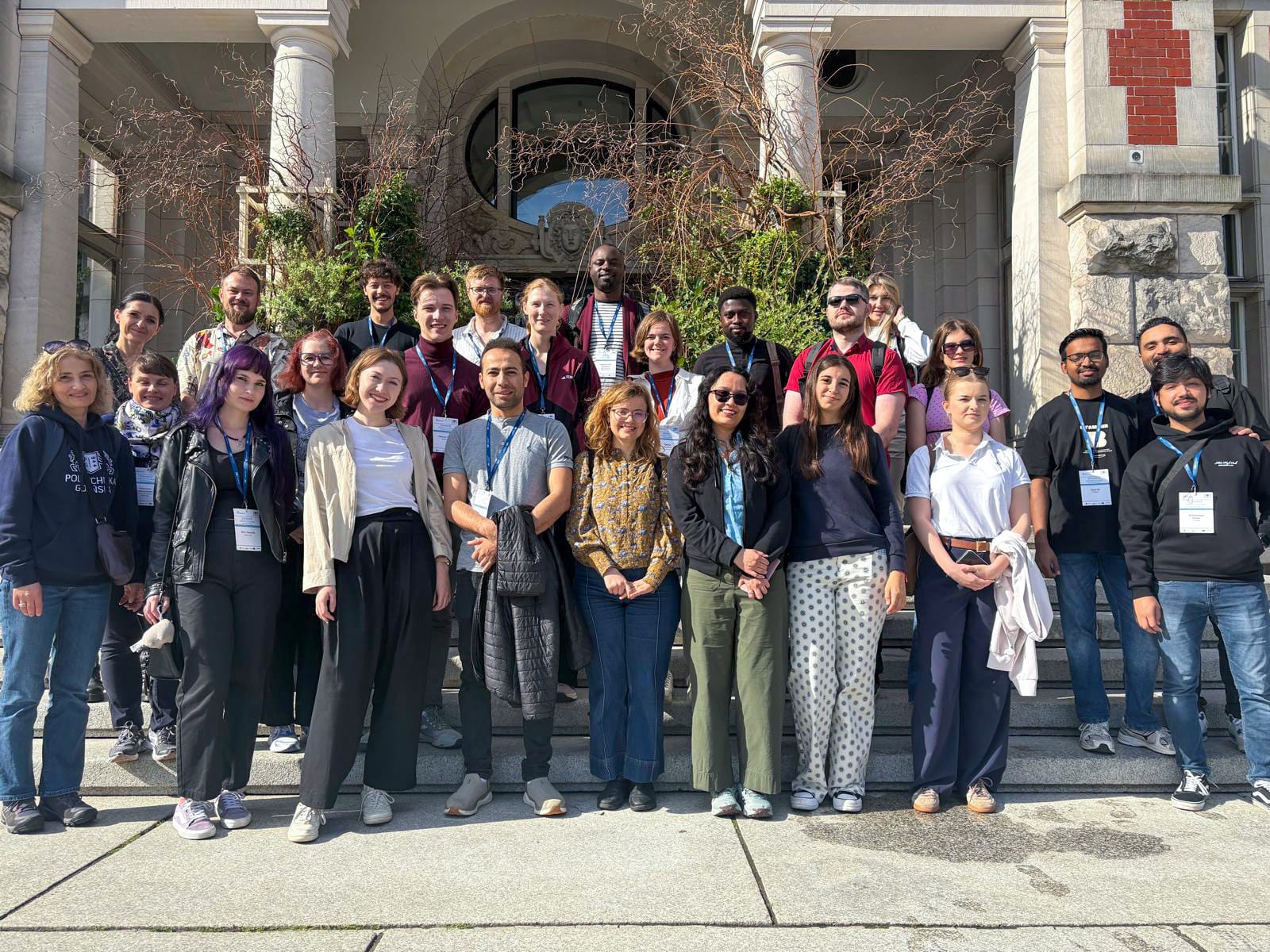
How to use monitoring, GIS modeling, and risk assessment to protect water bodies from micropollutants? This topic was the focus of the APRIORA One Health Summer School, which took place at Gdańsk Tech from July 21 to 24. Representatives from various European countries participated in the event.
How to use monitoring, GIS modeling, and risk assessment to protect water bodies from micropollutants? This topic was the focus of the APRIORA One Health Summer School, which took place at Gdańsk Tech from July 21 to 24. Representatives from various European countries participated in the event.
The event was devoted to current environmental challenges related to the quality of waters subjected to anthropogenic pressure. Participants dealt, among other things, with the presence of micropollutants in wastewater, antibiotic resistance, and the use of GIS tools for risk modeling and assessment.
The summer school took place at a particularly important moment for the water and sewage sector. The revised directive on urban wastewater treatment, i.e., the European Parliament and Council Directive (EU) 2024/3019, has made limiting emissions of micropollutants from urban wastewater a concrete implementation challenge for Member States, environmental administrations, and wastewater treatment plant operators.
In this context, the summer school responded to the need to develop competences in monitoring, GIS modeling, risk assessment, and prioritizing actions to reduce pressure on rivers, lakes, and coastal waters receiving treated wastewater. It was particularly important to show how monitoring and modeling results can be used in administrative decision-making, investment planning, and conducting dialogue between institutions responsible for water protection and infrastructure operators.
From Online Preparation to Practical Classes
Participants began with online meetings held on July 6 and 7 on the MS Teams platform. During these sessions, they learned about the objectives of the APRIORA project, the regulatory and methodological context, and the basics of spatial data analysis in QGIS.
The four-day on-site part, conducted at Gdańsk Tech, focused on the practical use of the APRIORA QGIS plugin and working with real environmental data. The program included approximately 35 hours of classes, including expert lectures, computer and laboratory exercises, case study tasks, and a technical visit.
During the classes, the occurrence and determination of micropollutants in the aquatic environment were discussed, including their sources, transport pathways, persistence, and potential effects. Participants became familiar with monitoring principles and the use of the APRIORA QGIS plugin for estimating pharmaceutical emissions from wastewater treatment plants and modeling their concentrations in water bodies.
This facilitates preliminary environmental, health, and antibiotic resistance induction risk assessments, as well as planning effective preventative actions to limit emissions. Participants also took part in rotational laboratory sessions concerning physicochemical analyses of water and wastewater, micropollutant determination, and antibiotic resistance assessment within the One Health framework.
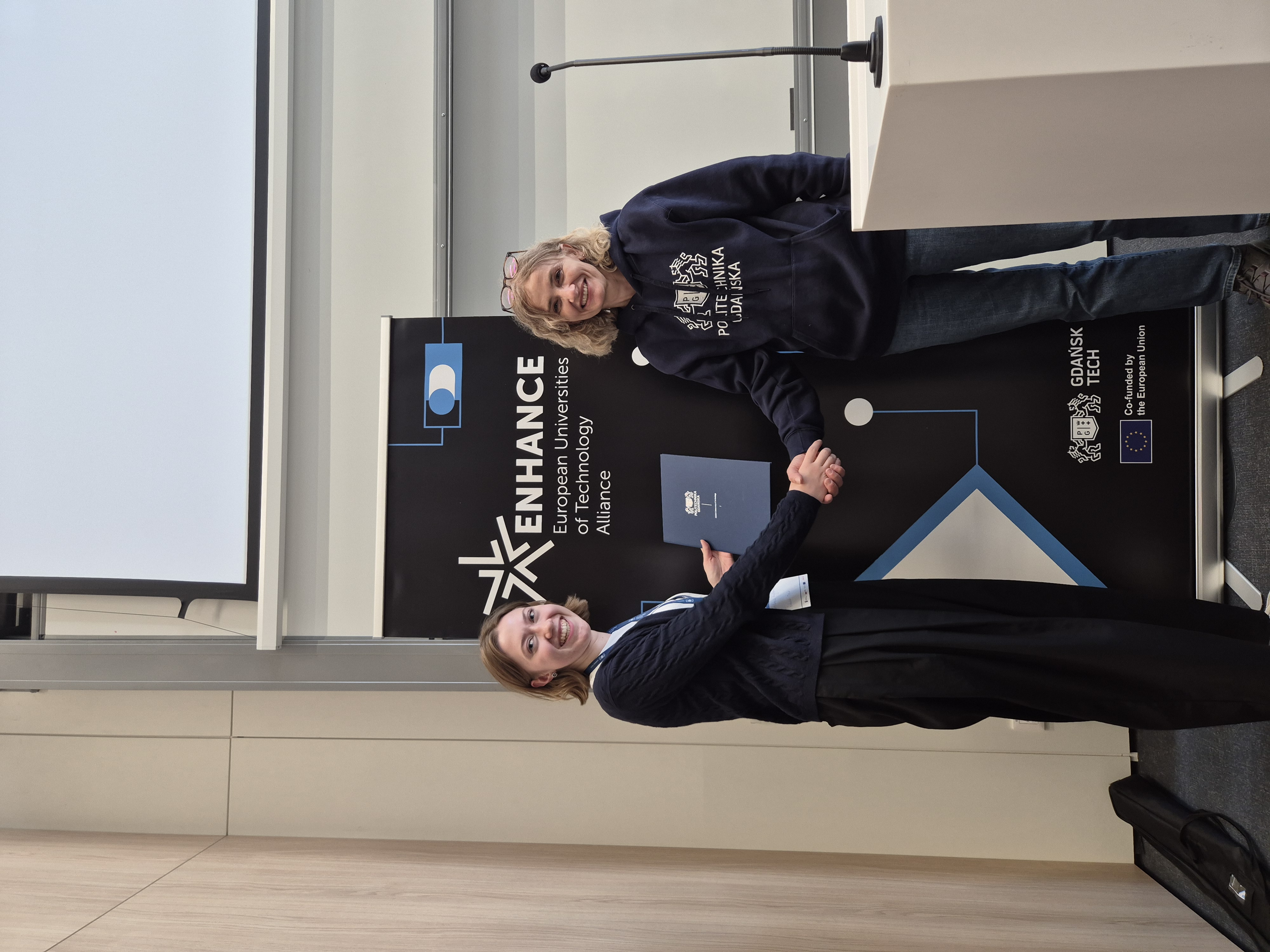
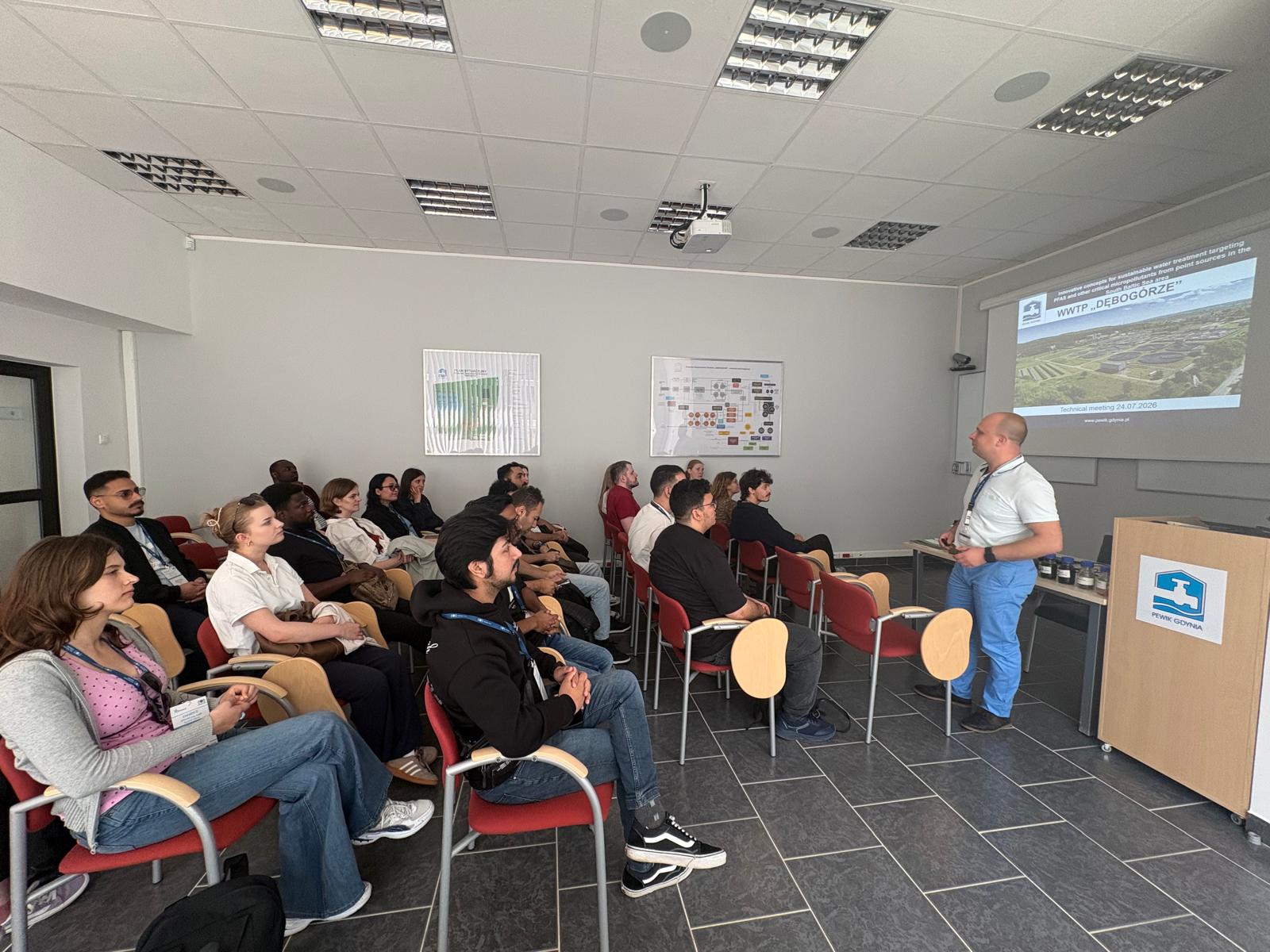
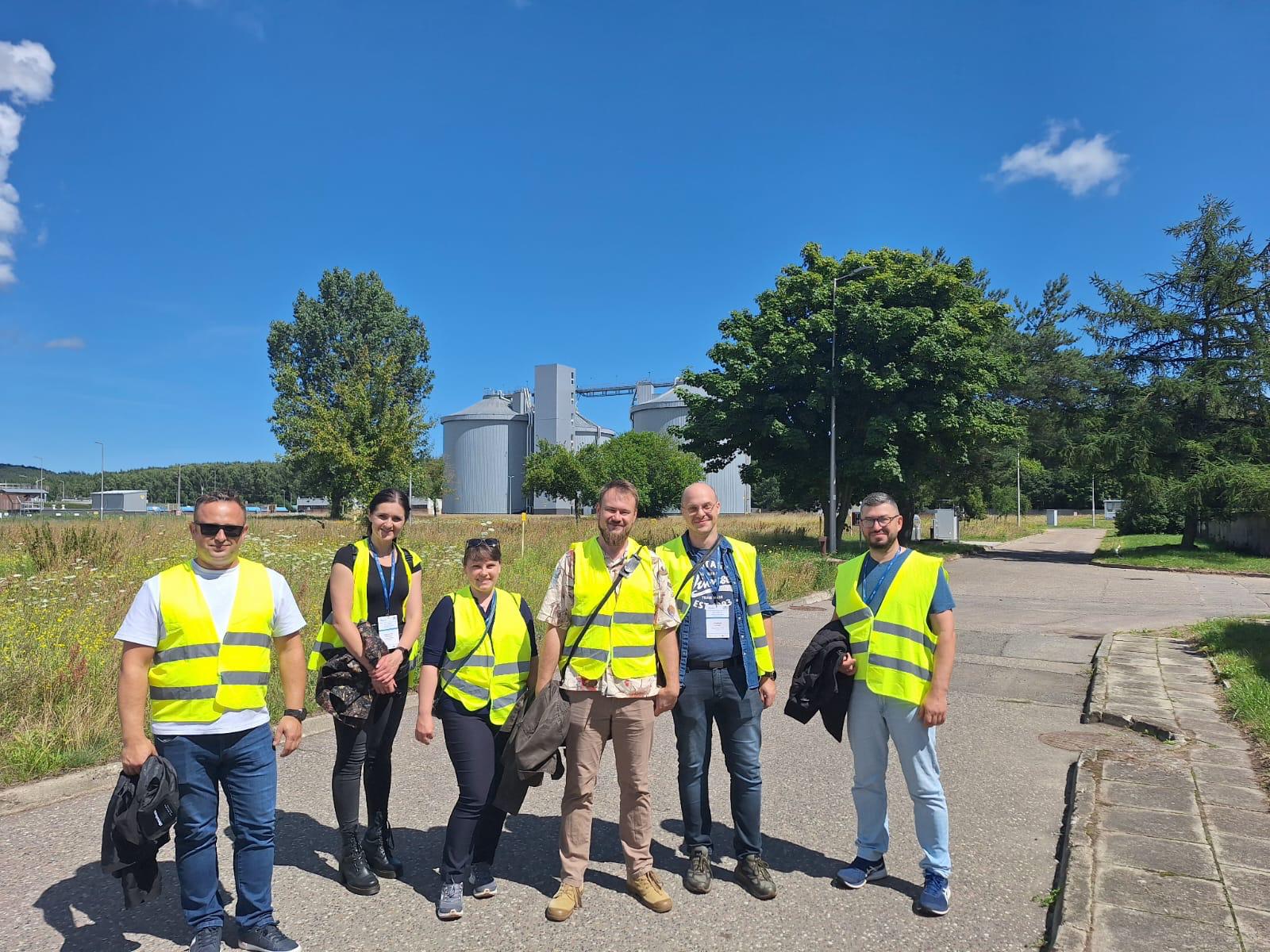
The school concluded with a technical visit to the Dębogórze Group Wastewater Treatment Plant, which allowed linking modeling and risk assessment topics with operational practice. The program ended with a summary session and the awarding of ENHANCE certificates.
Learning and International Cooperation
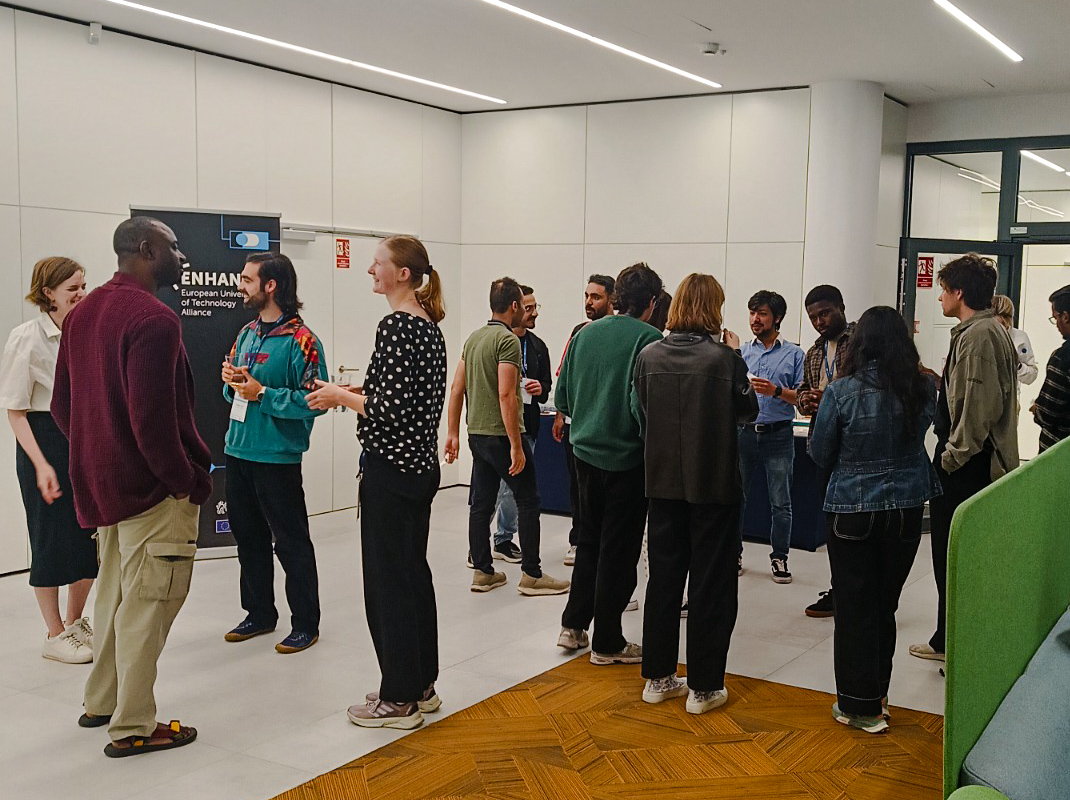
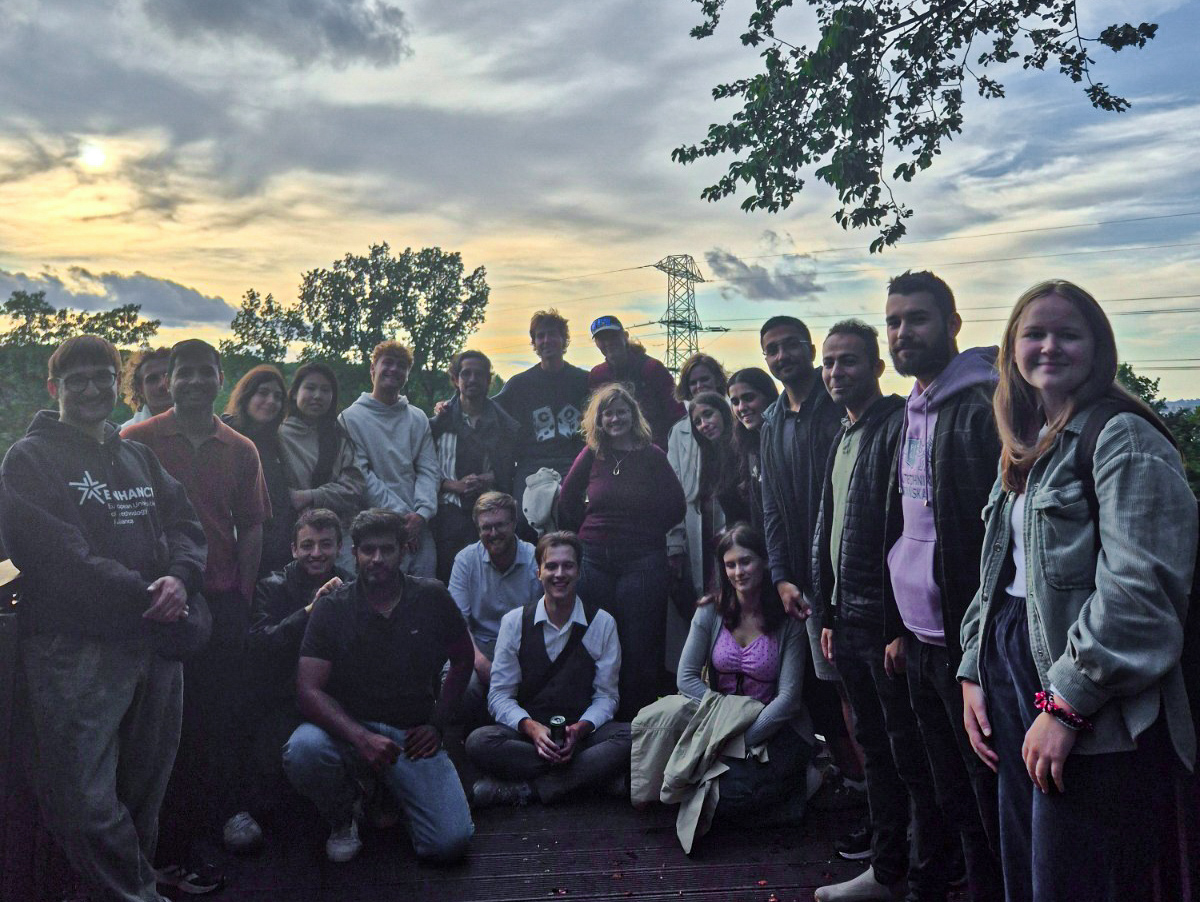
In addition to the scientific program, the organizers ensured a friendly and inspiring atmosphere reflecting the spirit of student life. Shared lunches, campus tours, and evening explorations of Gdańsk provided opportunities for exchanging experiences, networking, and participant integration.
The summer school was co-financed under the project "Strengthening the potential of Gdańsk Tech in the ENHANCE Alliance" no. BPI/WUE/2024/1/00020, funded by the European Union under the "Support for Alliances of European Universities" program, call no. FERS.01.05-IP.08-0219/23, 2024 edition.