MINIATURA 10. Gdańsk Tech Researchers with Grants for Research on Urban Microclimate, New Materials, and Leadership
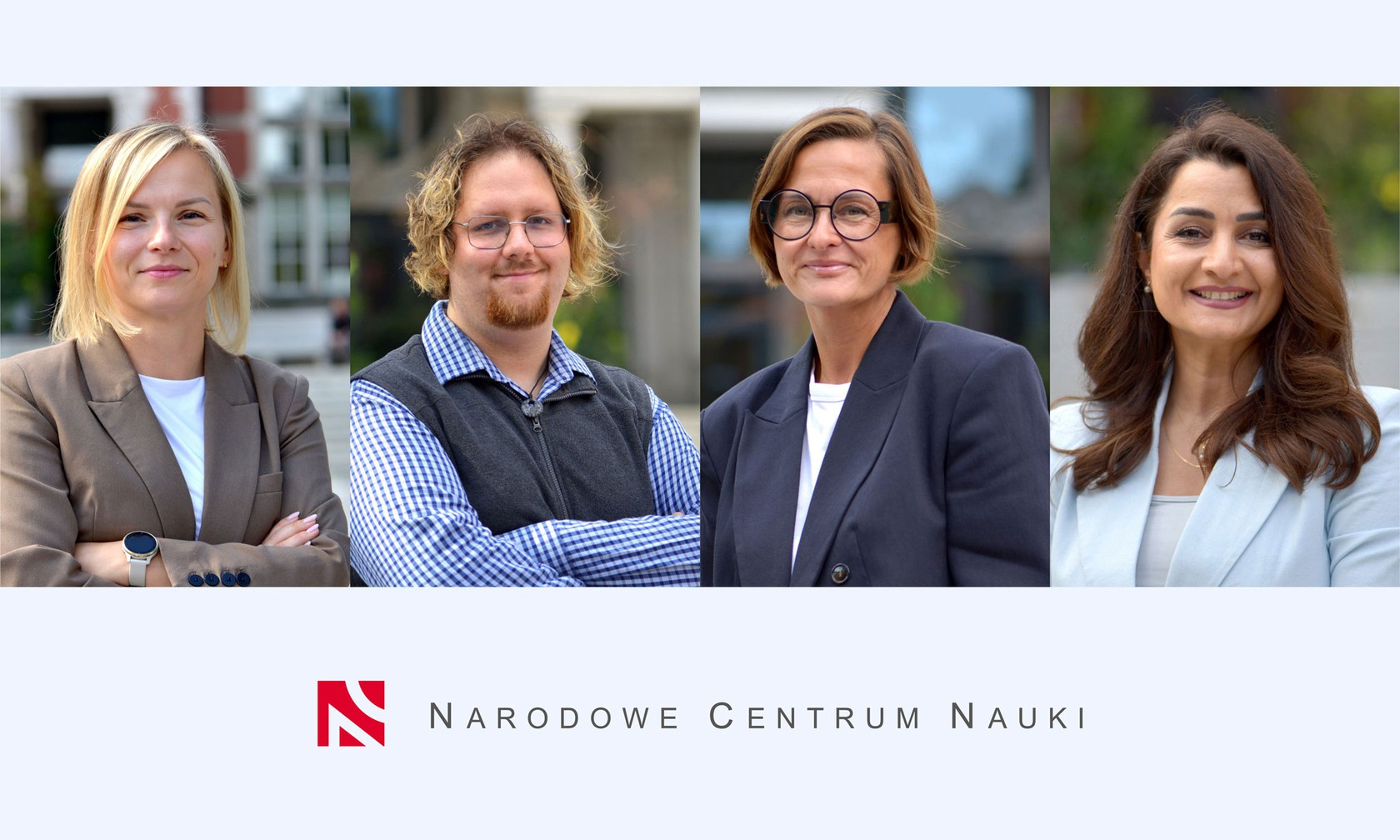
Scientists from Gdańsk Tech secured over PLN 160,000 in the National Science Centre MINIATURA 10 competition (applications submitted in May).
Scientists from Gdańsk Tech secured over PLN 160,000 in the National Science Centre MINIATURA 10 competition (applications submitted in May).
Funding will be awarded to four Gdańsk Tech researchers.
Research on the urban heat island and light pollution
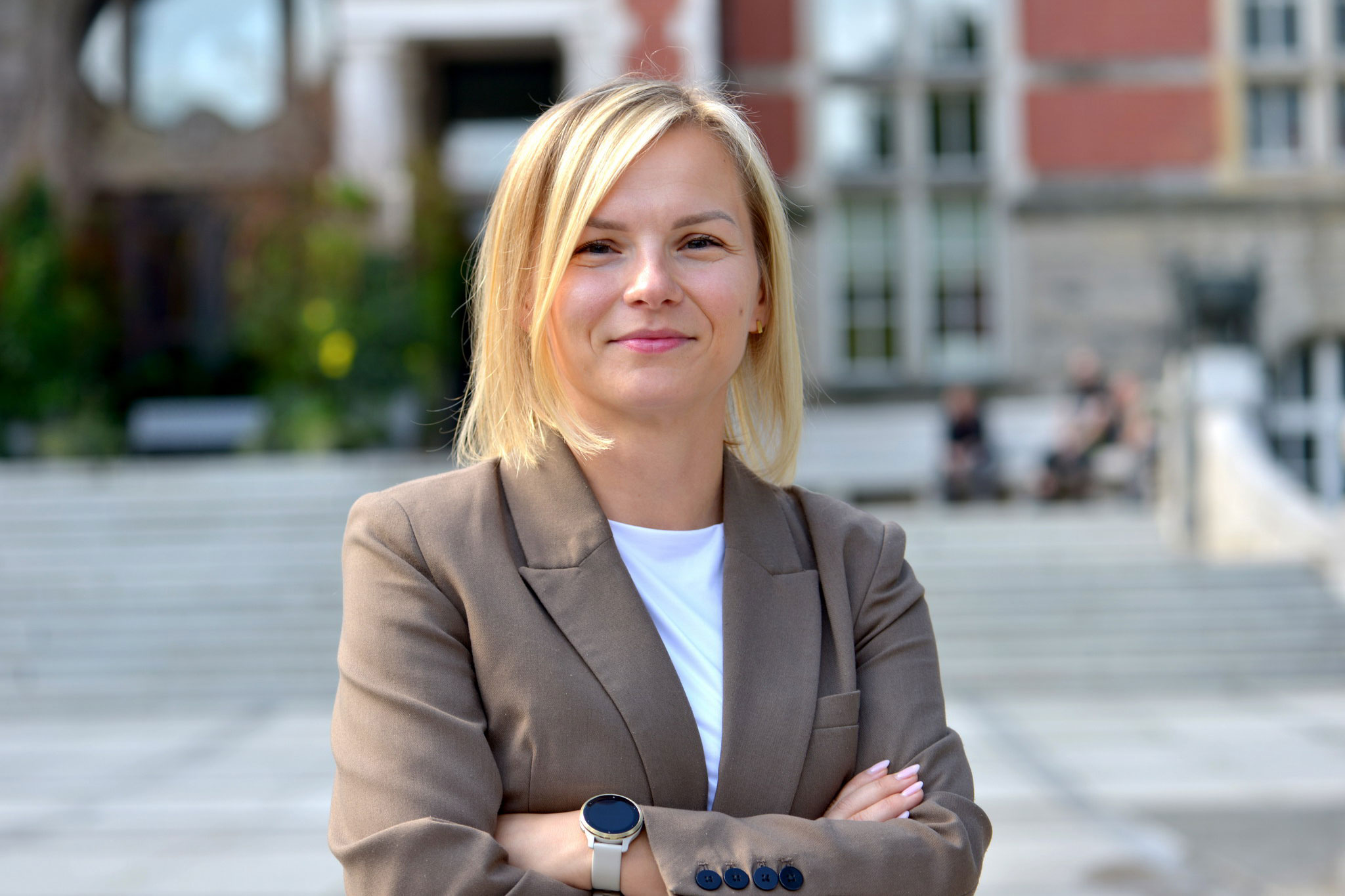
Dr Eng. Katarzyna Bobkowska, Department of Geodesy, Faculty of Civil and Environmental Engineering, Methodology of citizen science in the analysis of the urban heat island and light pollution – internship at Ibercivis, funding amount: PLN 39,965
The researcher will undertake a research internship at the Ibercivis Foundation in Zaragoza, Spain, a centre specializing in citizen science research.
The aim of the planned scientific activity is to develop a preliminary research methodology enabling the integration of remote sensing data with citizen science data in the analysis of fundamental environmental processes shaping the urban microclimate. The research will focus on the phenomenon of the urban heat island (UHI), artificial light pollution at night (ALAN), and the role of green and blue infrastructure in shaping environmental conditions in different types of settlements.
From traditional material to advanced composite
Dr Najmeh Hassas, Faculty of Architecture, Hybrid geopolymer composites based on palm and polymer fibres for sustainable lightweight architectural applications, funding amount: PLN 45,100
The research will be based on an engineering approach aimed at exploring the potential of palm fibres to transform them from a traditional material into a functional element of advanced composite materials. The research work will focus on the design, production, and characterization of hybrid geopolymer composites, in which the reinforcement system combines natural palm fibres with polymer fibres.
The project will analyse the mechanical properties and performance parameters of the composites depending on the type and composition of fibres, allowing an assessment of the potential of this hybrid system for producing lightweight architectural elements with enhanced mechanical properties while reducing the consumption of conventional materials.
The innovative character of this approach lies in combining locally available natural resources with advanced composite material technology. The combination of palm fibres with polymer fibres and geopolymer matrix may enable the development of materials utilizing natural and locally available resources while meeting the performance requirements of modern construction materials.
Academic teachers’ decisions under conflicting expectations
Dr Eng. Ewa Marjańska, Faculty of Management and Economics, SENSE-LEAD EDU: Study of decisions made by academic teachers as leaders under value tensions: development of a scenario-based tool, funding amount: PLN 26,070.
The researcher will develop and preliminarily validate a research tool that allows analysing how academic teachers interpret situations requiring leadership decisions and justify their choices under conflicting expectations and value tensions. The tool will be based on scenarios reflecting real situations occurring in the work of an academic teacher, including those related to assessment, teamwork, conflict resolution, and supporting student development. It will be evaluated by an interdisciplinary panel of experts using the Delphi method, and then tested in a pilot study involving academic teachers from technical universities.
The project outcome will be a tool enabling systematic study of decision-making and justification processes in situations requiring leadership. The results will form a basis for further research on academic leadership and the role of teachers in shaping cooperation, engagement, and student development.
Antibacterial bioceramics of the future
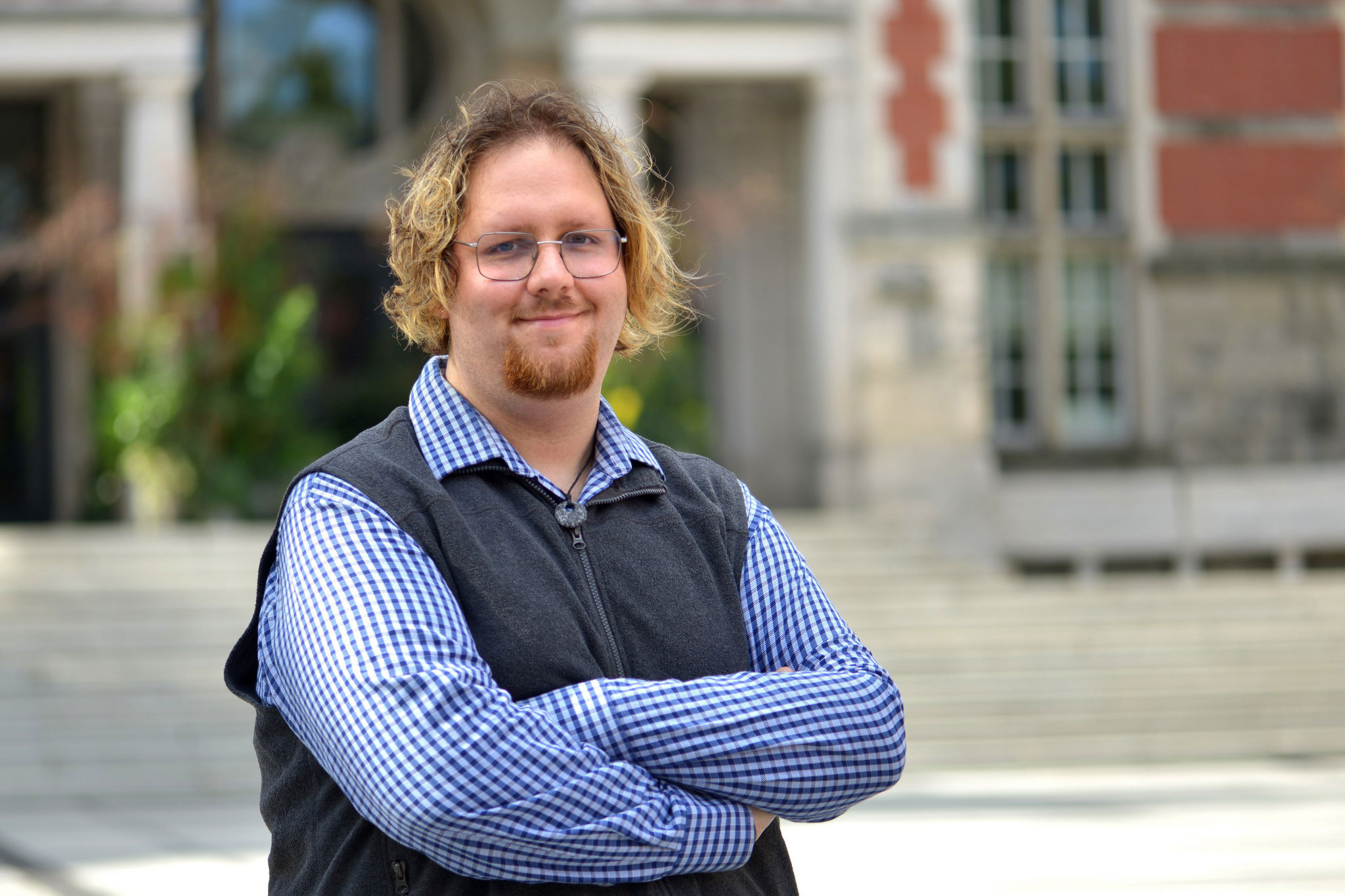
Dr Eng. Marcin Wekwejt, Faculty of Mechanical Engineering and Ship Technology, Functionalization of polysilazane-derived ceramics through coordination of tannic acid with metal ions to impart antibacterial properties, funding amount: PLN 49,720
Bioceramics have wide applications in medicine, including materials supporting the regeneration of damaged bone tissue. One direction of their development is to impart materials with additional biological properties, including the ability to limit the growth of bacteria responsible for infections. The starting point of the research will be polysilazanes – polymers that can be transformed into ceramics under high temperature. Materials obtained in this way are currently being researched, among others, for use as porous scaffolds supporting bone tissue regeneration. Their properly designed structure can create a space conducive to cell adhesion and growth.
In the project, the surface of such bioceramics will first be coated with an intermediate layer enabling further modification, and then biofunctionalized using tannic acid—a natural compound found in plants—and metal ions. The aim of the research is to verify whether this nature-inspired functionalization will impart effective antibacterial activity to the bioceramics while preserving their potential for bone regeneration applications.
A key stage of the project will be a three-month stay at Politecnico di Torino in Italy as a visiting professor. This will allow combining the experience of the Italian team in producing ceramics from polysilazanes with Dr. Wekwejt’s expertise in biomaterial functionalization developed, among others, during his earlier research stay in Canada.
More information about the results of the MINIATURA 10 competition can be found on the NCN website.