Publication Ethics and the Responsibility of Researchers in the Age of AI. Meeting of Vice-Rectors of Technical Universities at Gdańsk Tech
How to use artificial intelligence in scientific work without losing control over the reliability of research, and where is the boundary between error and publication misconduct? Also, what are the consequences of article retractions for researchers? These are some of the most important issues discussed during the meeting of representatives of public technical universities, which took place on October 29 at Gdańsk Tech.
How to use artificial intelligence in scientific work without losing control over the reliability of research, and where is the boundary between error and publication misconduct? Also, what are the consequences of article retractions for researchers? These are some of the most important issues discussed during the meeting of representatives of public technical universities, which took place on October 29 at Gdańsk Tech.
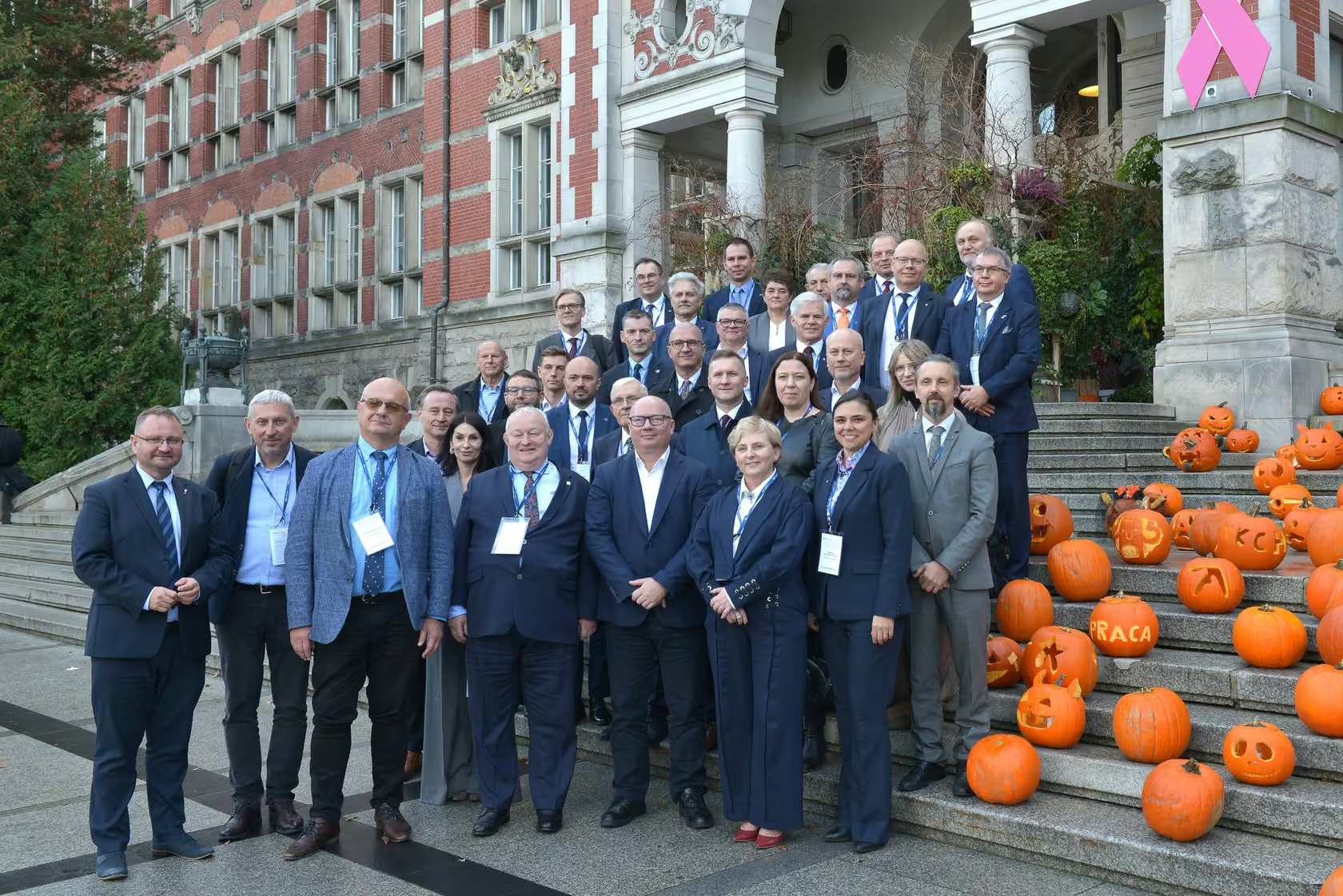
Members of the Collegium of Vice-Rectors for Science and Development of Public Technical Universities and the Collegium of Vice-Rectors for General Affairs, Organization, and Relations with the Socio-Economic Environment of Public Technical Universities met in the Senate Hall of Gdańsk Tech.
The participants were welcomed by Prof. Krzysztof Wilde, Rector of Gdańsk Tech. Then, Prof. Dariusz Mikielewicz, Vice-Rector for Science, presented the university, its research potential, and its most significant scientific achievements.
Artificial Intelligence – Support or Replacement for the Scientist?
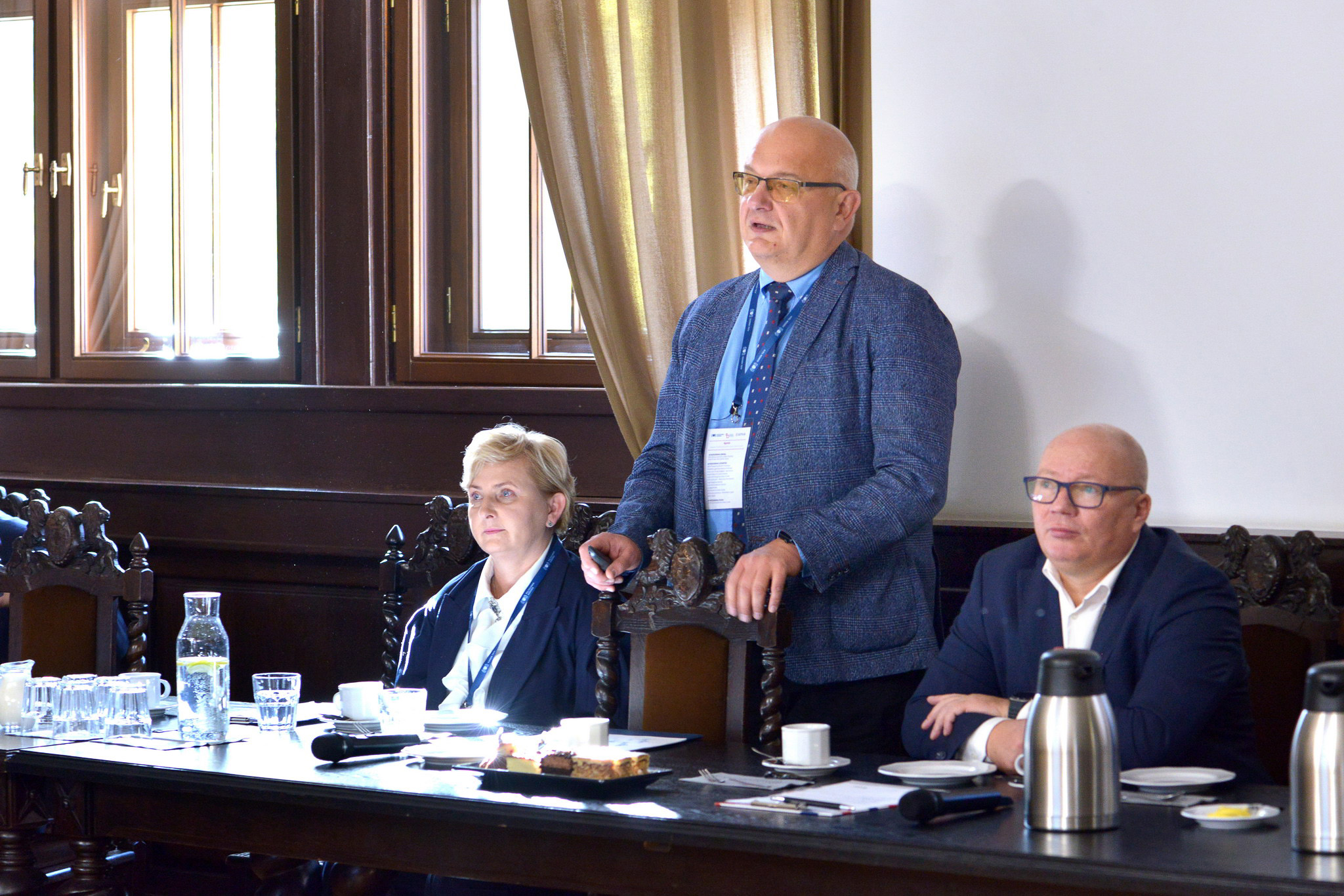
One of the main points of the meeting was a lecture by Prof. Dariusz Czerwiński from Lublin University of Technology titled "AI and Publication Integrity." The speaker highlighted the growing presence of artificial intelligence tools at almost every stage of research work and the publication process – from idea generation and literature review, through hypothesis formulation, data analysis, and result interpretation, to the preparation of scientific texts.
However, the development of these technologies raises a fundamental question: will artificial intelligence remain a tool supporting researchers, or will it start taking over tasks previously reserved for scientists?
Prof. Czerwiński discussed the possibilities of using AI for searching and organizing scientific literature, creating code, analyzing data, and assisting in the peer review process of articles. At the same time, he pointed out the limitations of these solutions, the risk of generating false information, and the necessity of verifying the obtained results.
An important message of the presentation was the distinction between using AI as a tool and uncritically accepting the content it generates. The mere fact of using artificial intelligence does not determine the unreliability of a publication. The key factors remain the credibility of sources, correctness of research methods, quality of analyses, and reproducibility of the process leading to specific conclusions.
The speaker emphasized that instead of focusing solely on whether a given text was created with the aid of AI, the primary concern should be whether the information and results presented can be trusted.
Publication Retractions and Limits of Responsibility
The issue of researchers' responsibility was further developed during the debate "Publication Ethics, Retractions, and Limits of Responsibility in Science."
One of the most important topics of the discussion was retractions, i.e., withdrawal of published scientific articles, and the consequences of such decisions for authors, universities, and the entire academic community. Participants noted that the system of publishing research results operates under intense pressure from the number of publications, citations, and metrics assessing scientific output. This may encourage shortcuts but simultaneously makes it difficult to assess specific cases unequivocally.
The discussion emphasized the need to precisely distinguish deliberate misconduct from honest errors, as well as situations where allegations of unreliability lack sufficient confirmation. It was noted that suspicion alone should not be treated as proof of guilt and that researchers must have the opportunity to respond to accusations made against them.
The issue of responsibility of publishers and editorial boards of scientific journals was also addressed, including the application of publication ethics standards and procedures in cases of suspected misconduct. Discussants pointed out that although international guidelines on publication integrity exist, their adoption does not always result in consistent compliance.
A separate problem is protecting scientists' reputations. Debate participants highlighted the risk of premature public accusations, especially when based on incomplete data or ambiguous premises. The importance of conducting thorough, fact-based investigations was emphasized, rather than relying solely on bibliometric indicators or suspicions.
AI in Peer Review – New Opportunities, New Threats
A significant part of the discussion was also devoted to the use of artificial intelligence in the process of reviewing scientific manuscripts. AI tools can help detect irregularities, verify data, or analyze research methods, but their use presents additional challenges.
One such challenge is the confidentiality of the reviewed materials. Participants considered whether submitting unpublished articles to publicly accessible language models violates authors' rights, confidentiality rules of the review process, and data protection. They pointed to the possibility of using closed AI systems operating within an institution's infrastructure.
Attention was also drawn to the increasing demands on reviewers, who must not only evaluate the scientific value of publications but increasingly understand how advanced IT tools are used in research. This requires new competencies, time, and appropriate standards of conduct.
The meeting showed that the development of artificial intelligence poses not only technological but also organizational, legal, and ethical challenges for universities. Regardless of the capabilities of new tools, the foundation of scientific credibility remains transparency of research methods, the possibility of verifying results, and human responsibility for published content.