
New Generation Batteries are Being Developed at Gdańsk Tech
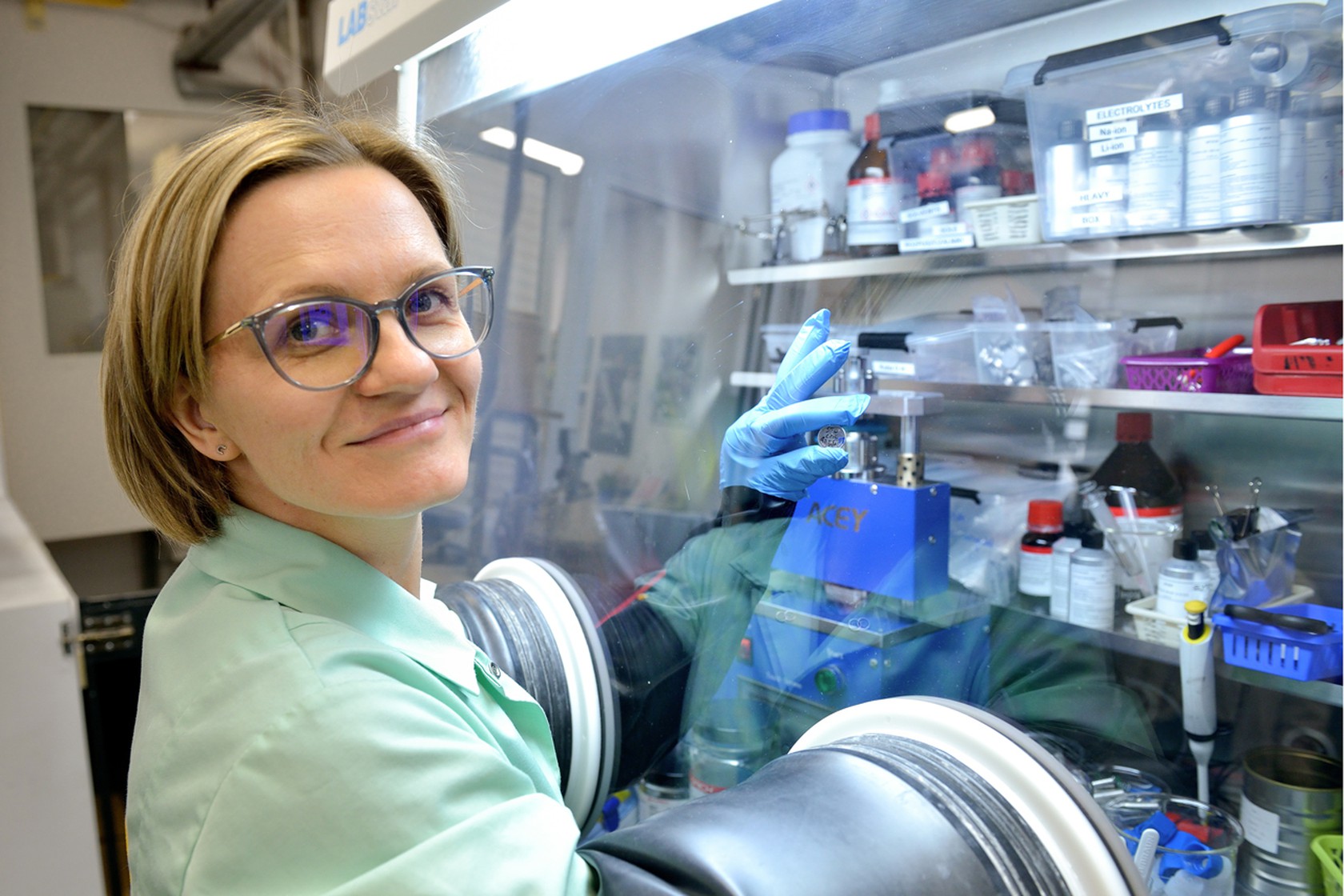
Durable, stable during charging and discharging, and made with fewer critical raw materials – these are the key features of the high-power batteries being developed by a research team at the Faculty of Chemistry at Gdańsk University of Technology, led by Prof. Monika Wilamowska-Zawłocka. The batteries could potentially be used to power drones and electric vehicles. The researchers are also working on recovering critical raw materials, including cobalt, nickel and natural graphite, from spent lithium-ion cells.
Durable, stable during charging and discharging, and made with fewer critical raw materials – these are the key features of the high-power batteries being developed by a research team at the Faculty of Chemistry at Gdańsk University of Technology, led by Prof. Monika Wilamowska-Zawłocka. The batteries could potentially be used to power drones and electric vehicles. The researchers are also working on recovering critical raw materials, including cobalt, nickel and natural graphite, from spent lithium-ion cells.
Monika Wilamowska-Zawłocka, Associate Professor at Gdańsk Tech's Department of Energy Conversion and Storage, has secured more than PLN 4.3 million in funding through the Swiss–Polish Cooperation Programme (Research and Innovation, Applied Research) to develop battery materials that do not contain critical raw materials. The project will be carried out in collaboration with the Swiss research institute Empa – Swiss Federal Laboratories for Materials Science and Technology and Siloxene AG.
An alternative to graphite: higher capacity and greater stability
Conventional high-power batteries used in drones and electric vehicles typically contain a graphite-based anode and a cathode made from lithium nickel manganese cobalt oxides.
“In our next-generation lithium-ion batteries, we will use silicon oxycarbides (SiOCs) as matrices for nanoparticles of materials that form alloys with lithium, such as silicon and tin,” explains Prof. Wilamowska-Zawłocka. “SiOCs are polymer-derived ceramics (PDCs), which means we can use synthesis methods that produce highly uniform metal–ceramic nanocomposites.”
“Silicon oxycarbides offer excellent mechanical and chemical stability, but they are also electrochemically active towards lithium ions. This will allow us to develop anode materials with a significantly higher specific capacity than natural graphite, which is currently used commercially and is classified as a critical raw material,” she adds.
As the researcher explains, materials that form alloys with lithium can store considerably more charge than conventional graphite anodes. They therefore represent one of the most promising approaches to increasing the capacity of anodes in next-generation lithium-ion batteries.
“However, their major drawback is the substantial change in volume they undergo during charging and discharging. Over time, this causes degradation and a decline in battery performance,” says Prof. Wilamowska-Zawłocka. “That is why commercial batteries containing silicon are still relatively uncommon, although many companies are working on developing this type of anode. Our aim is to embed silicon and tin nanoparticles in a carefully designed SiOC matrix to minimise these problems.”
Recovering critical raw materials from lithium-ion batteries
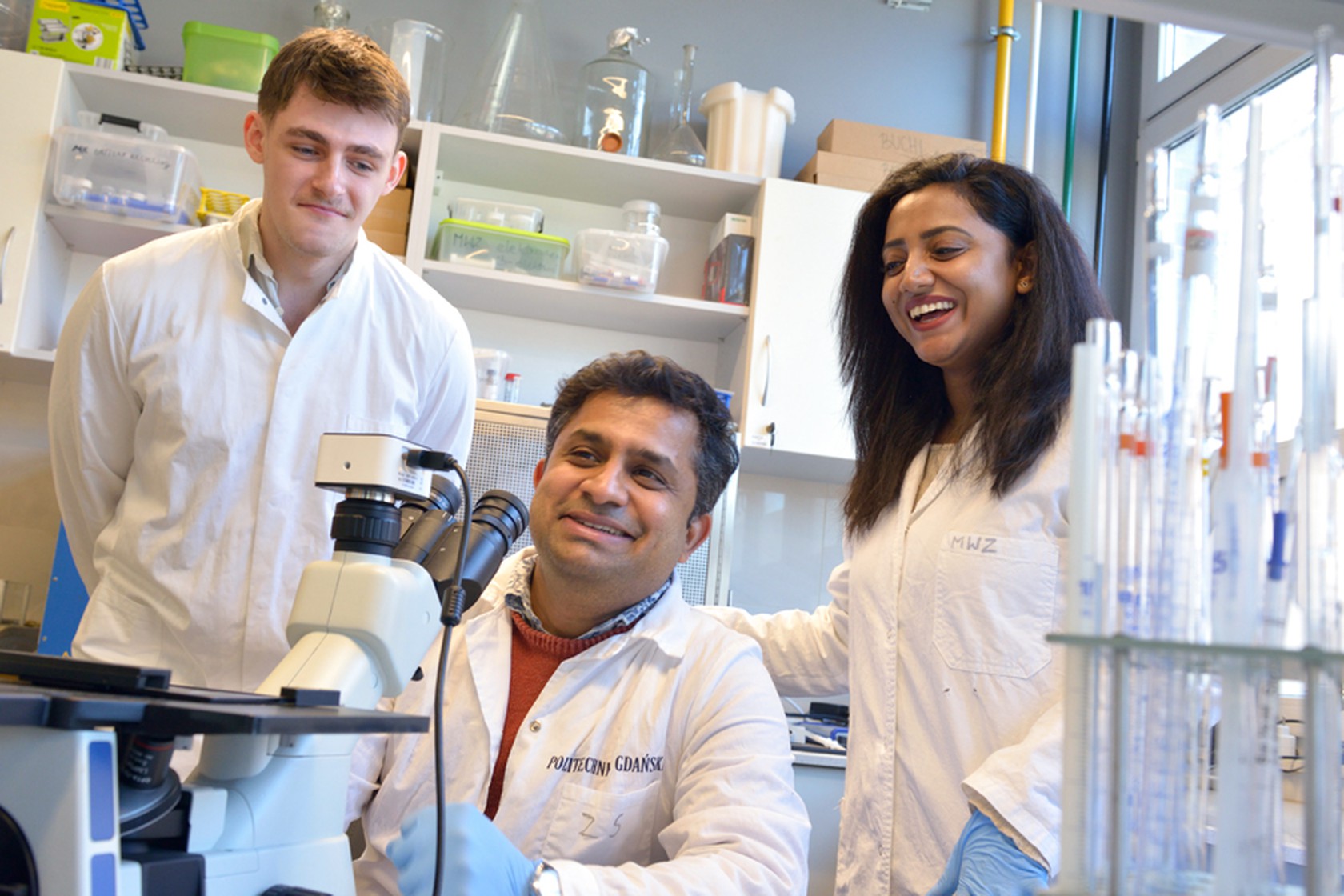
Alongside their work on new battery materials, Prof. Wilamowska-Zawłocka's team is developing processes for recovering critical raw materials from spent lithium-ion cells so that they can be reused in new batteries. This research is funded through the National Science Centre's SONATA BIS programme.
The researchers are investigating environmentally sustainable and economically viable recycling strategies for recovering various battery components. These include active anode materials (graphite), cathode materials (cobalt, nickel and manganese), current collectors (copper and aluminium), and lithium.
“Companies around the world are already recovering raw materials from lithium-ion batteries, but not yet on a scale that matches the growing volume of waste batteries,” the researcher points out. “Recycling technologies for lithium-ion batteries are less advanced than those used for other battery types. Direct recycling, which involves recovering active electrode materials while preserving their original structure, is still largely confined to laboratory research.”
“Meanwhile, according to analyses and forecasts by the International Energy Agency, between 100 and 120 GWh of spent electric vehicle batteries will be generated worldwide each year by 2030. The volume of end-of-life battery modules from electric vehicles is also projected to increase by four million tonnes by 2030.”
Recycling and reusing batteries are therefore essential to meeting the growing demand for critical raw materials such as cobalt, nickel, lithium and natural graphite in a more sustainable way.
“Cobalt is also a major geopolitical concern. Europe needs to develop urban mining – recovering valuable materials from waste products, including used batteries. This is already a major area of interest in Western Europe,” emphasises Prof. Wilamowska-Zawłocka.
Sodium instead of lithium and patent applications
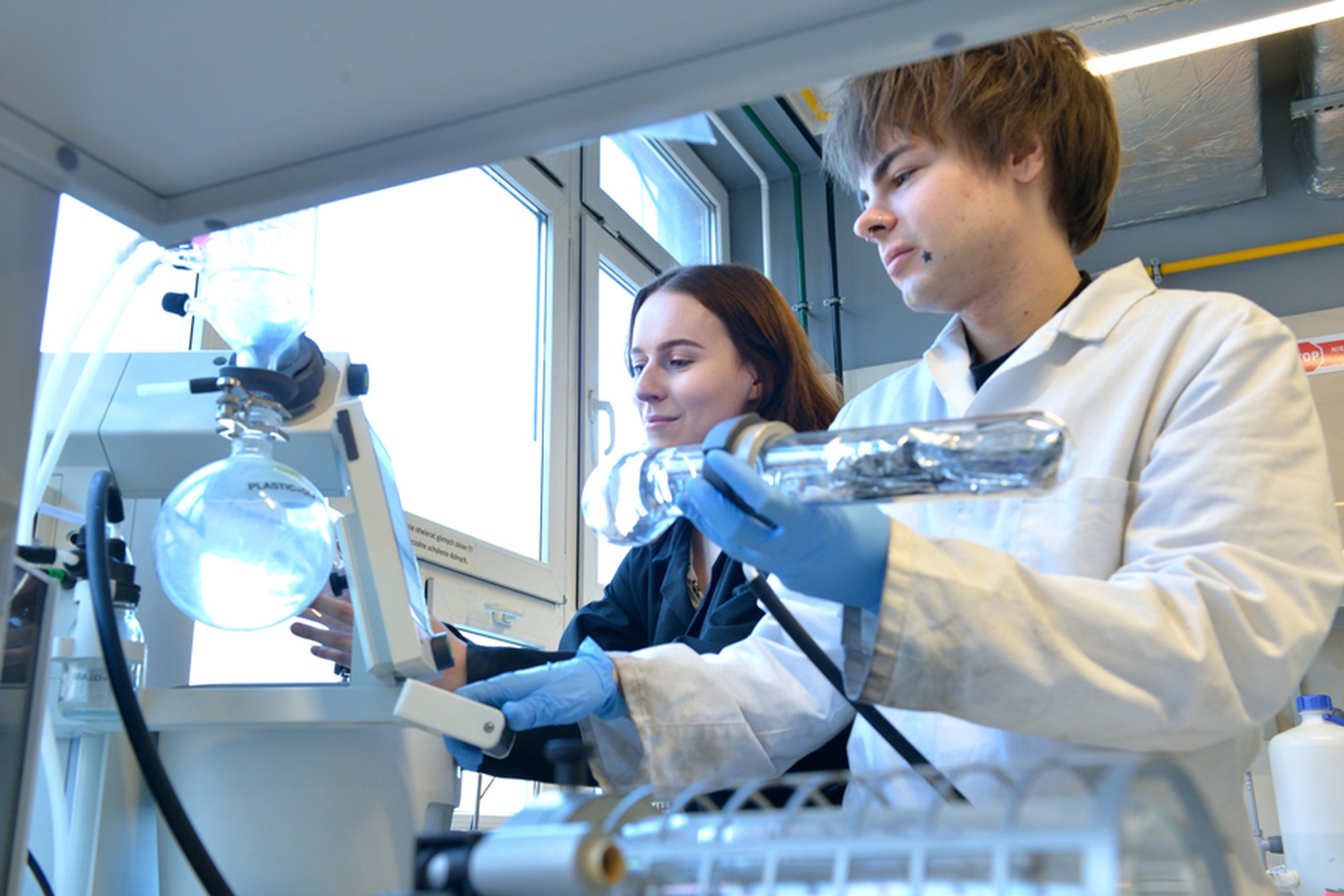
Prof. Wilamowska-Zawłocka, in collaboration with scientists from the Technical University of Darmstadt and Nicolaus Copernicus University (as part of a grant from the BEETHOVEN NCN program), previously completed a project on innovative and efficient electrode materials for sodium-ion storage in sodium-ion batteries, which resulted in two patent applications.
– Sodium is the fourth most abundant element on Earth, the second alkali metal, and the second, after lithium, element with the most negative electrochemical potential. This means it is closest to lithium in terms of electrochemical properties, making it a good candidate for high-energy batteries. And most importantly, it is a much more environmentally sustainable alternative – emphasizes Prof. Wilamowska-Zawłocka. – Sodium itself is not a critical material, but anodes and cathodes can also be obtained without critical elements. Sodium-ion battery anodes are based on so-called hard carbons, which can be derived, for example, from biomass, while cathodes may be iron- or manganese-based and do not contain “critical” cobalt. These materials are cheaper and more environmentally friendly. Moreover, producing electrode layers can be based on aqueous binder solutions, which greatly facilitates subsequent recycling – she lists.
However, sodium has limitations – it is several times heavier than lithium, so batteries have lower energy and power densities.
– Such batteries are also less durable and lose electric capacity faster during repeated charging and discharging, mainly due to the larger size of sodium ions compared to lithium ions. Nevertheless, their development is very dynamic, and the first cars with sodium-ion batteries are already appearing on the market – the researcher adds.
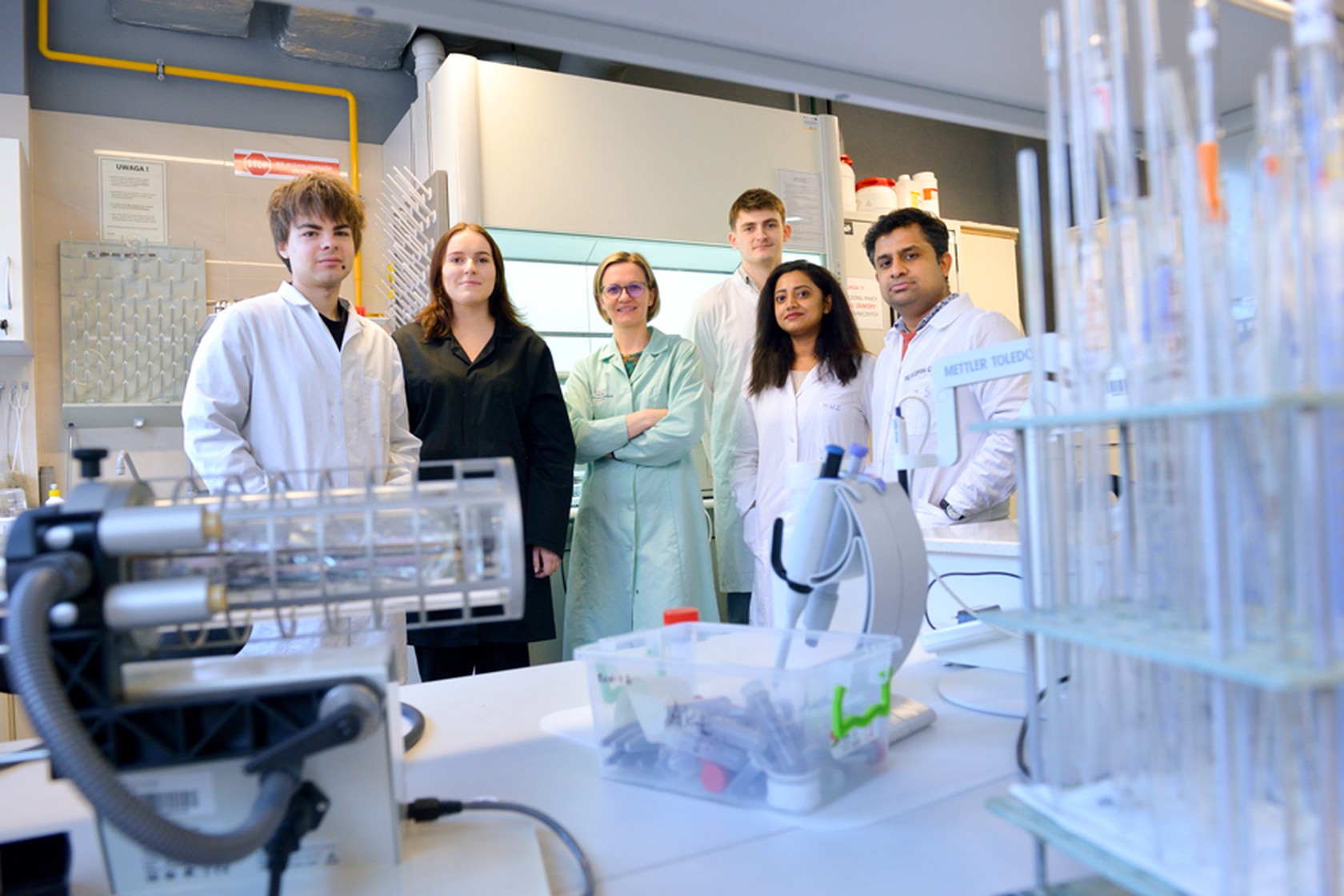
Research team composition: prof. Monika Wilamowska-Zawłocka, PhD Eng. Gifty Sara Rolly, PhD Eng. Balanand Santhosh, students: Jakub Olszewski, Emilia Bielska, and Kacper Chodziński.
International cooperation thanks to IDUB programs
Prof. Wilamowska-Zawłocka (within the framework of the IDUB Europium program) established cooperation with Prof. Emma Kendrick from the University of Birmingham, who specializes in sustainable battery technologies. The scientist will visit Gdańsk Tech as part of the IDUB Einstainum program. Thanks to the IDUB Aurum program, the professor was able to deepen collaboration and exchange experiences with research partners from Switzerland, with whom a new project financed by the NCBR has just been secured.
How to charge lithium-ion batteries to make them last longer?
PhD Eng. Monika Wilamowska-Zawłocka, DSc, prof. Gdańsk Tech: To achieve the longest lifespan for batteries, it is best to charge them with low currents, allowing sufficient time for charging. Our phones typically use one type of charger, but, for example, cars can be charged over varying periods. Fast charging means charging with a high current, which is always unfavorable for the battery due to the possibility of more side reactions and greater heating of cells during charging. Batteries should not be fully discharged or fully charged (here, the electronics should act and automatically cut off charging), nor should they be overheated, as high temperatures are harmful to batteries. Similarly, mechanical damage can weaken batteries (it may worsen electrical contact within the electrodes; current then does not charge the electrodes evenly, which can result, for example, in excessive heating of the battery during charging), however, a properly manufactured battery should not be susceptible to such damage. Old lithium-ion batteries should not be kept at home; if the battery is discharged, there is no danger, but if it is charged – meaning lithium is in the anode making it reactive – then in case of a short circuit due to severe mechanical damage, it becomes dangerous. If an old battery is swollen, this also indicates that many side reactions have occurred, and it is better to dispose of such a battery. In general, however, lithium-ion batteries in our devices are safe.