Skip to main content
Facebook - Gdańsk Tech
Instagram - Gdańsk Tech
LinkedIn - Gdańsk Tech
Youtube - Gdańsk Tec
Tiktok - Gdańsk Tech
My Gdańsk Tech
Intranet
Email
EN
A
A+
Contrast
Connection with a sign language interpreter
Easy-to-read text (ETR)
Studies
Educational offer
Application for studies
Study support and organization
For PhD students
First-cycle studies
Second-cycle studies
Postgraduate studies
Doctoral studies
MBA Studies
(external link)
For Students and Schools
(external link)
Courses and training
(external link)
Open Day
(external link)
Why Gdańsk Tech?
Admission process step by step
International candidates
Doctoral School candidates
Postgraduate studies candidates
MBA candidates
(external link)
Required documents
Candidate FAQ
First steps
Academic calendar
Student activities
Dormitories and accommodation
International cooperation
ECTS Catalogue
(external link)
Careers and Alumni Office
E-learning
(external link)
Regulations and fees
Doctoral School
Industrial Doctoral School
PhD student activities
International cooperation
Projects for PhD students
Scholarships for PhD students
Curriculum
Business and Innovation
Research and Science
EN
A
A+
Contrast
Connection with a sign language interpreter
Easy-to-read text (ETR)
Main site navigation
Studies
Business and Innovation
Research and Science
Educational offer
Application for studies
Study support and organization
For PhD students
First-cycle studies
Second-cycle studies
Postgraduate studies
Doctoral studies
MBA Studies
For Students and Schools
Courses and training
Open Day
Why Gdańsk Tech?
Admission process step by step
International candidates
Doctoral School candidates
Postgraduate studies candidates
MBA candidates
Required documents
Candidate FAQ
First steps
Academic calendar
Student activities
Dormitories and accommodation
International cooperation
ECTS Catalogue
Careers and Alumni Office
E-learning
Regulations and fees
Doctoral School
Industrial Doctoral School
PhD student activities
International cooperation
Projects for PhD students
Scholarships for PhD students
Curriculum
My Gdańsk Tech
Intranet
Email
Facebook - Gdańsk Tech
Instagram - Gdańsk Tech
LinkedIn - Gdańsk Tech
Youtube - Gdańsk Tec
Tiktok - Gdańsk Tech
Search the site
Show more
Home
News
Filter
Fahrenheit Universities
2026-10-07
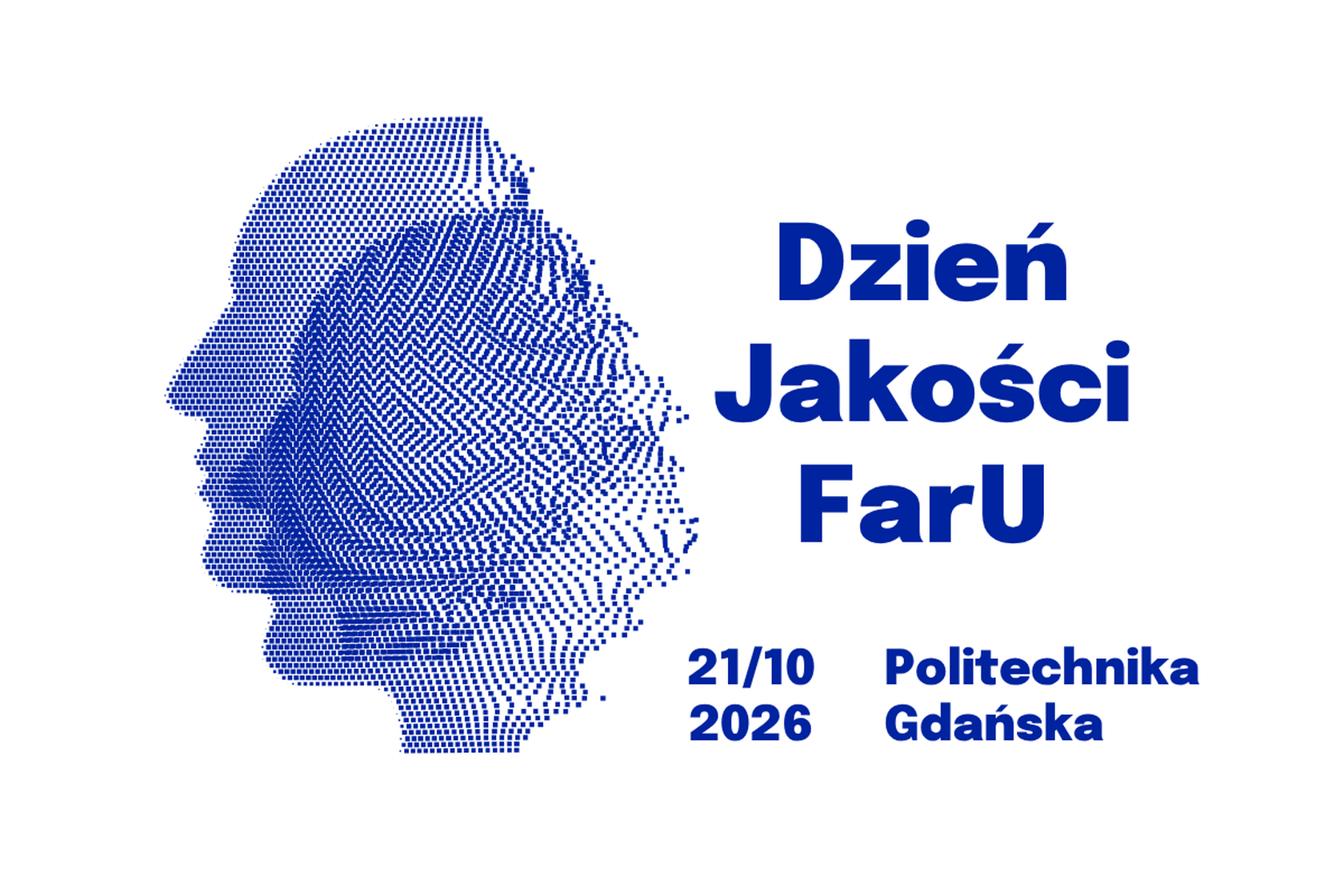
FarU Quality Day 2026. Well-being, Digital Culture, and Future Competences
As every year, the Fahrenheit Universities Association invites you to a meeting dedicated to the exchange of practices and changes occurring in the field of education quality. Academic staff, students, as well as the economic environment, will meet on October 21, this time within the walls of Gdańsk Tech.
Students
University life
2026-10-06
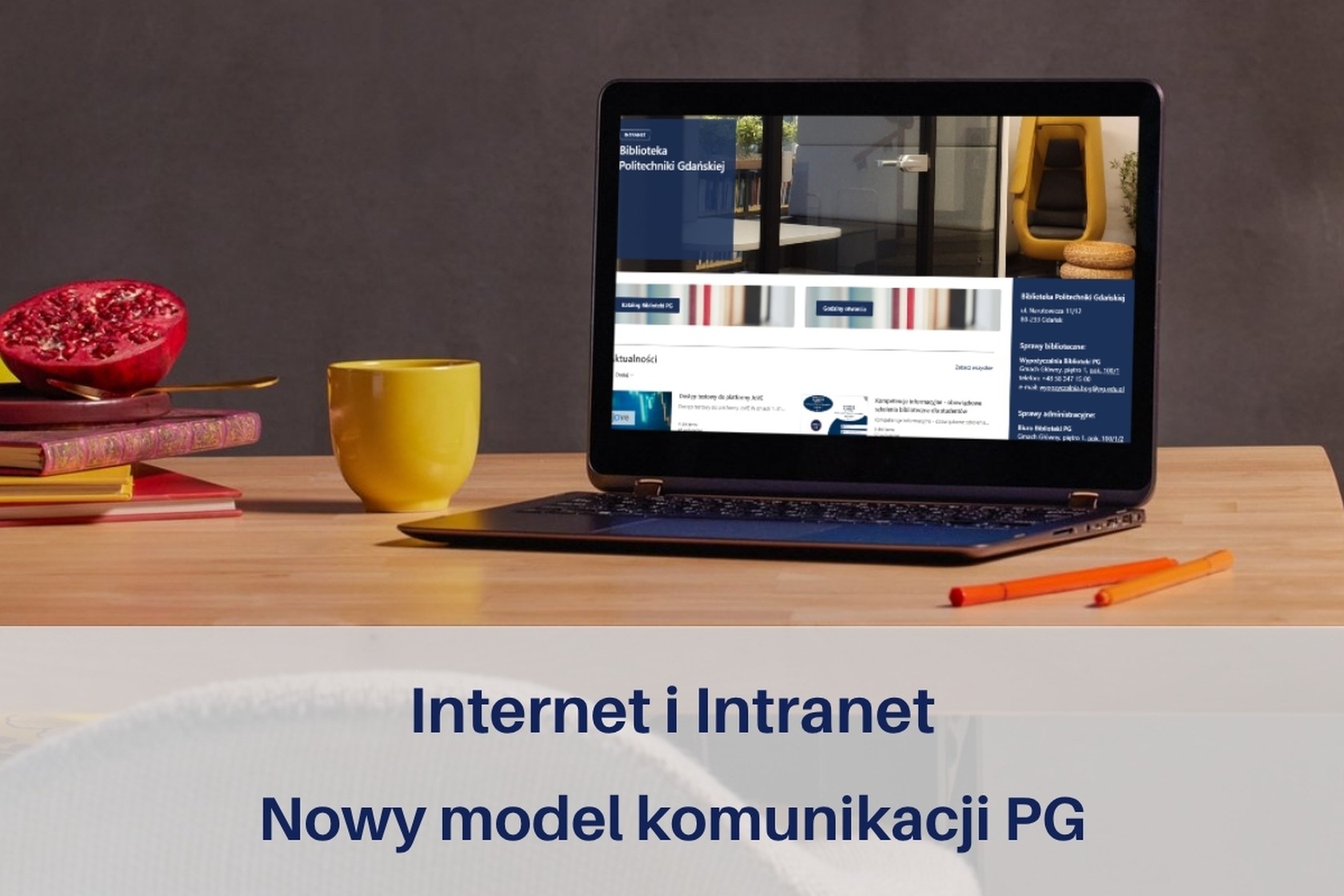
New Edition of the Gdańsk Tech Library Website and Intranet
2026-10-06
Evaluation of Doctoral Candidates of the Implementation School
Cooperation
University life
2026-10-06
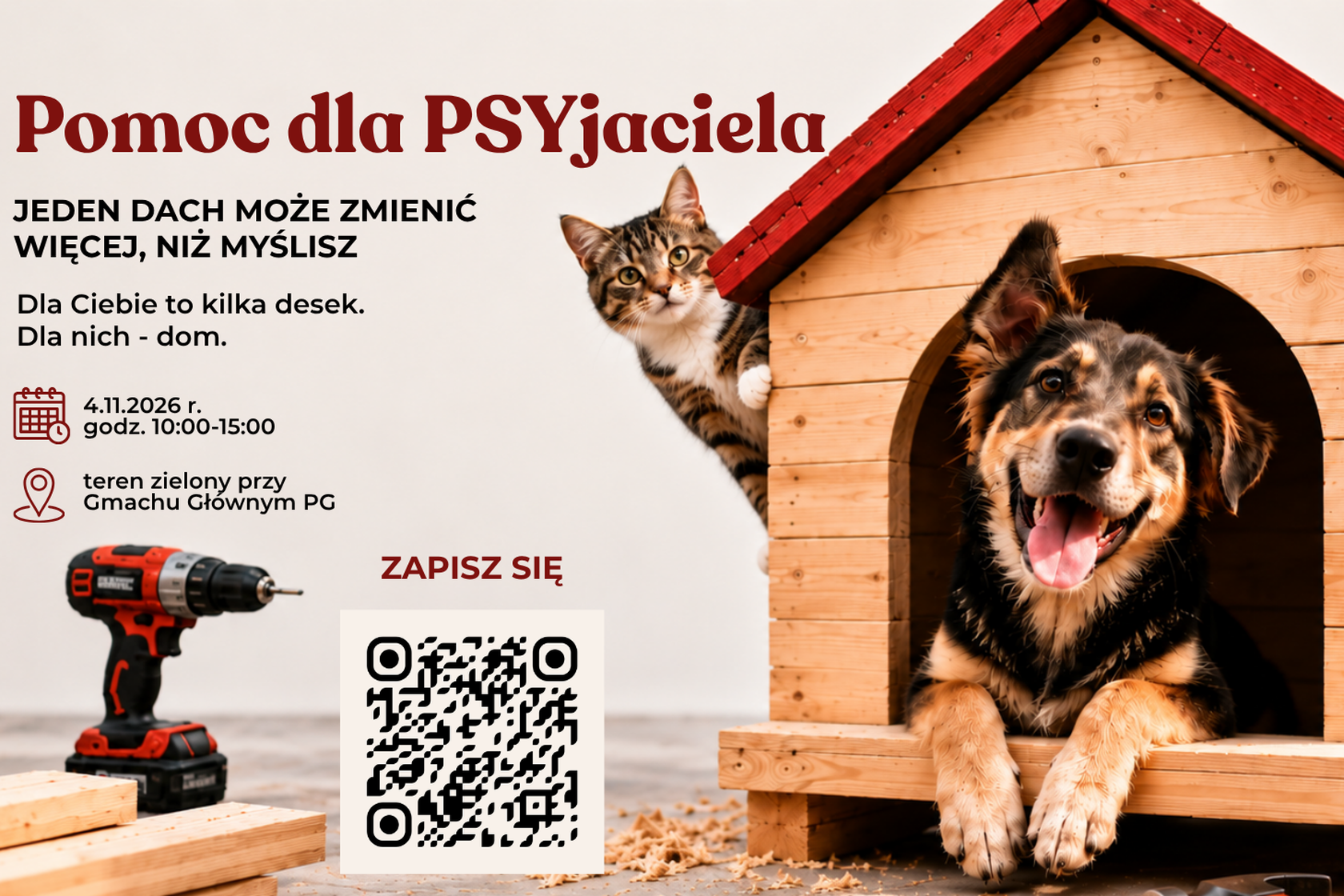
Help for a Four-Legged Friend. Gdańsk University of Technology is looking for companies to support the initiative
Science
University life
2026-10-06
Scientists from Gdańsk Tech Use AI to Detect Chromosome Abnormalities
Successes
University life
2026-10-06
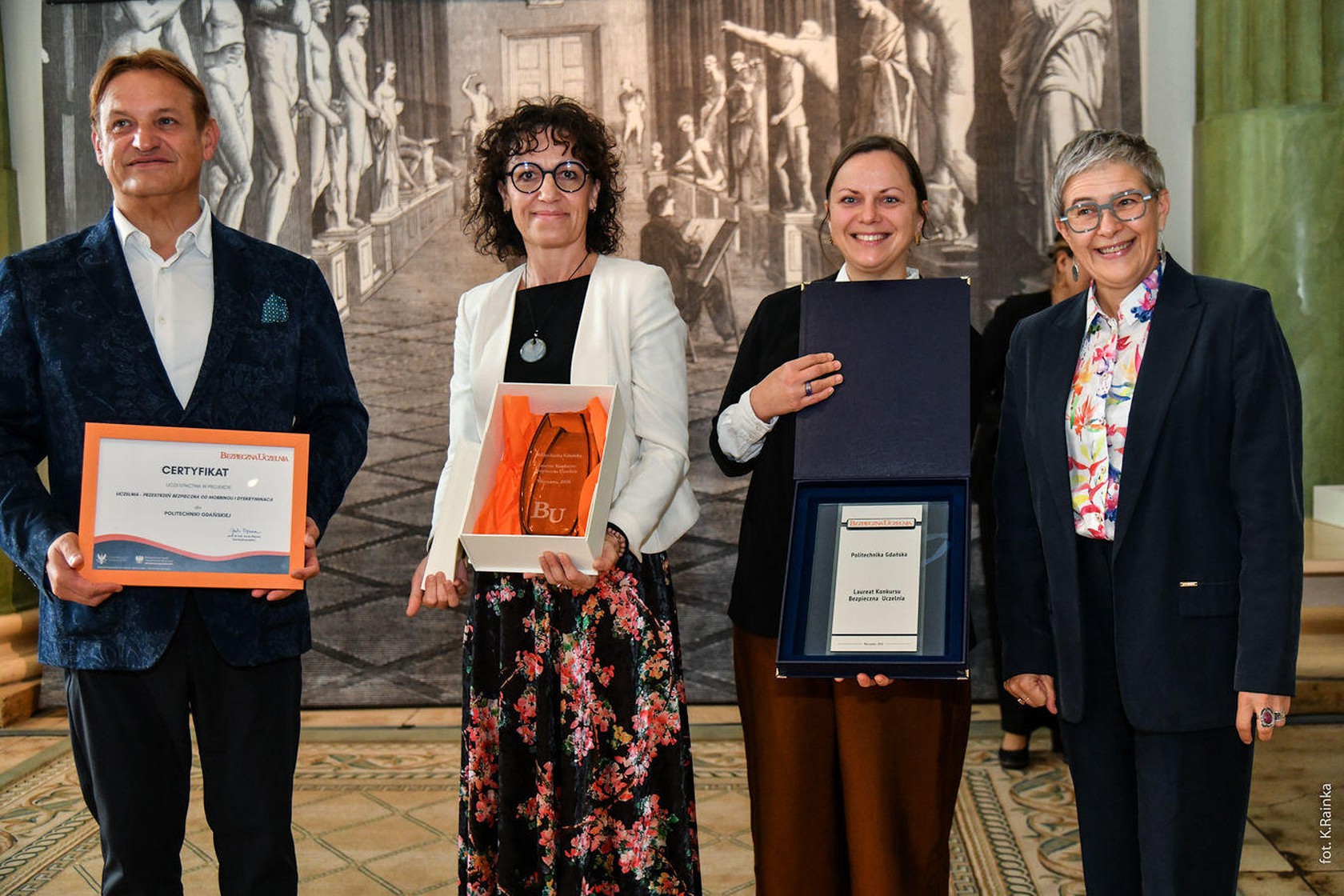
Gdańsk Tech Awarded in the "Safe University" Competition,
University life
2026-10-05
Gdańsk Tech in the Media. Academic Year Inauguration, Global Collaboration, and Groundbreaking Research
business
Science
Successes
Cooperation
2026-10-05
Biodegradable and Cooling. Gdańsk Tech and PLASTPOM Work on New Packaging for Fruit
Over PLN 2 million for the next stage of cooperation between science and industry, which has already led to implementation once. The PLASTPOMCoolBioPack project, carried out by PLASTPOM in cooperation with the Department of Polymer Technology at the Faculty of Chemistry at Gdańsk Tech, received nearly PLN 1.47 million in funding from European Funds. This time, scientists and entrepreneurs will jointly develop a biodegradable packaging that is not only intended to protect delicate fruits but also to improve the process of their cooling.
Culture
Successes
2026-10-03
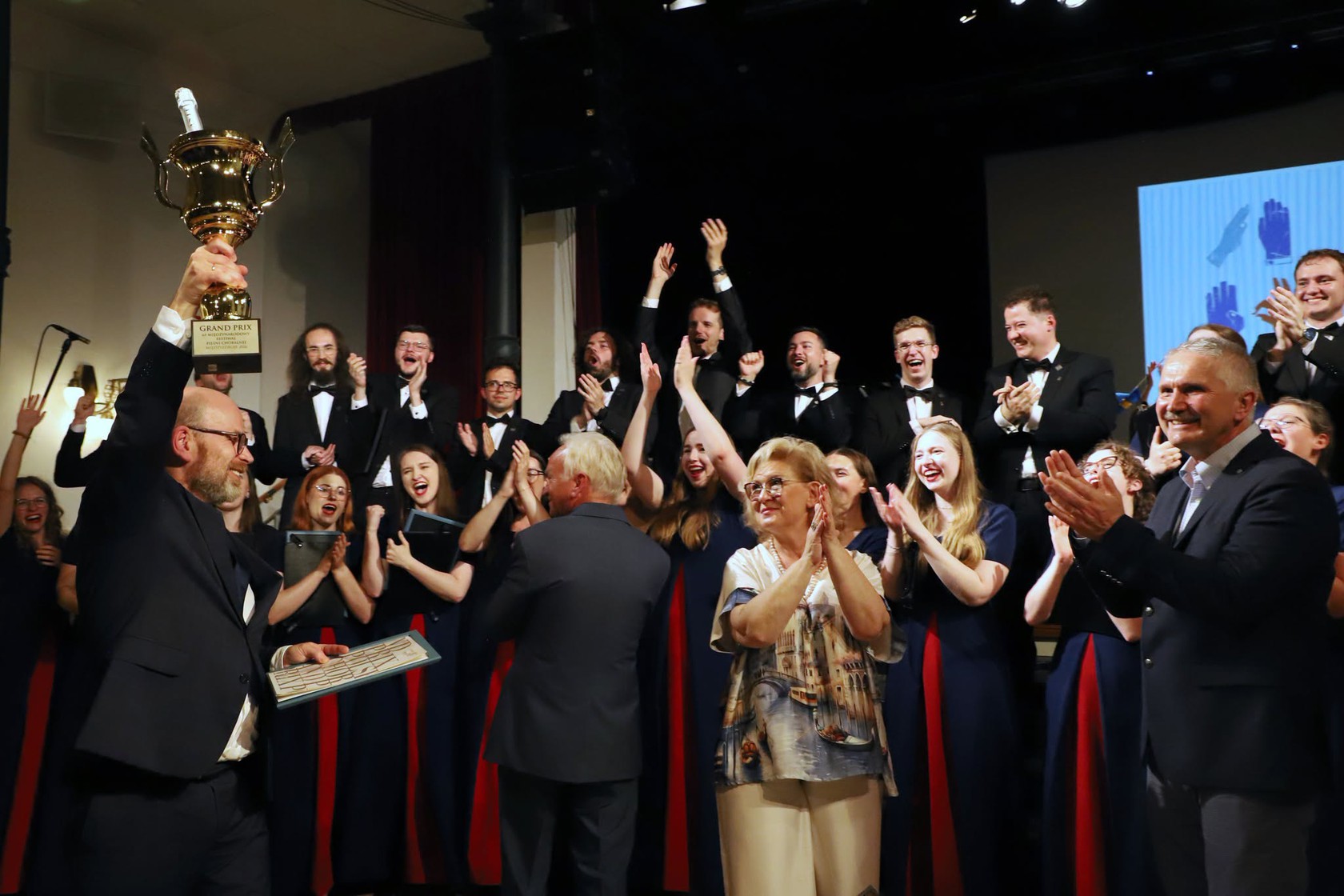
Academic Choir of Gdańsk Tech won the Grand Prix of the international festival
2026-10-03
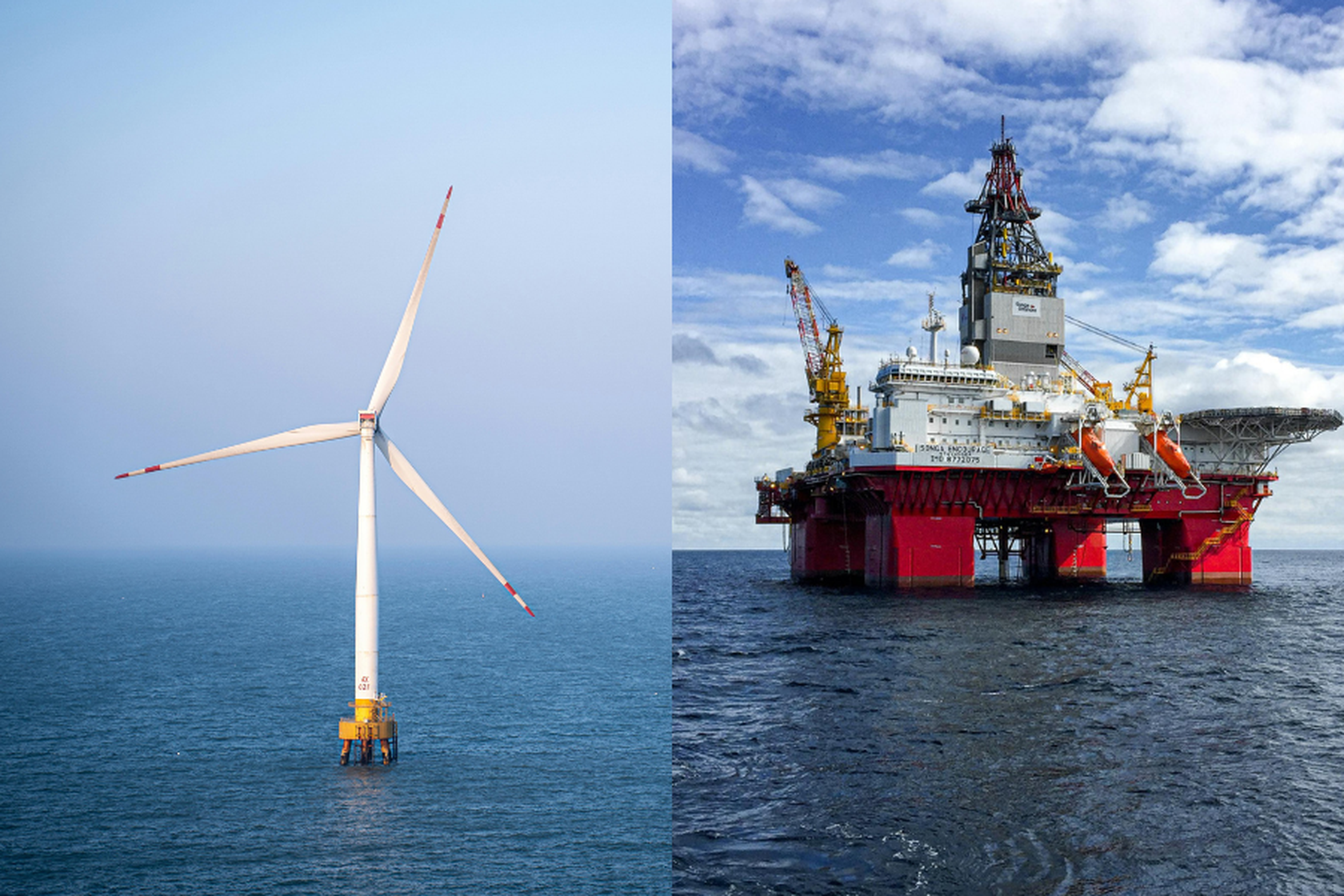
Postgraduate Studies for the Offshore Sector
2026-10-02
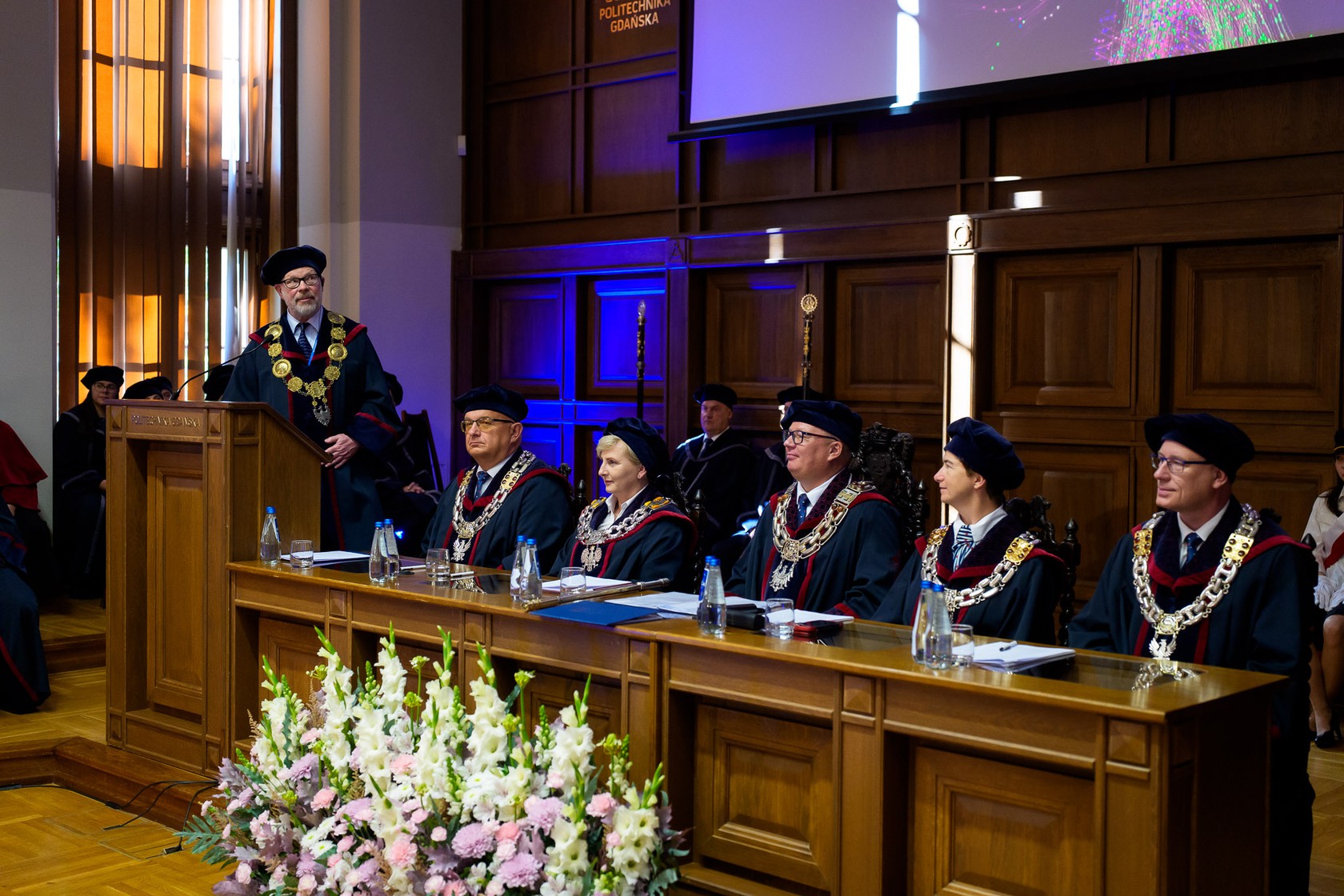
Gdańsk Tech’s growth starts with people. The 2026/2027 academic year is now under way.
Successes
2026-10-01
Gdańsk Tech once again among the best universities in the world in THE WUR 2027
PhD students
2026-09-30
New Doctoral School website and intranet for PhD students
Cooperation
University life
2026-09-30
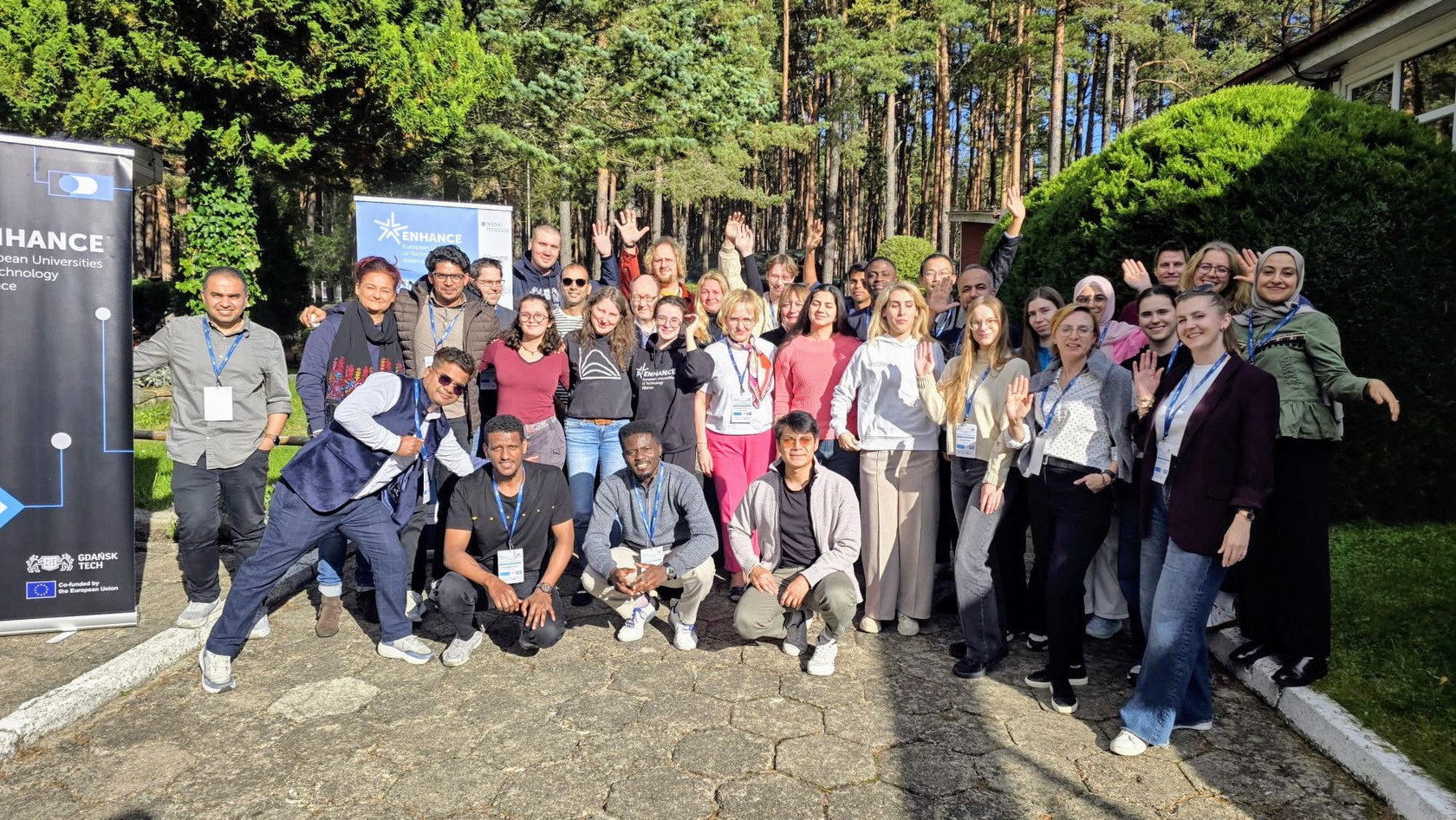
International collaboration in action. ENHANCE connects researchers and universities
1
2
3
4
5
6
7
8
9
Next page



.png)