Skip to main content
Facebook - Gdańsk Tech
Instagram - Gdańsk Tech
LinkedIn - Gdańsk Tech
Youtube - Gdańsk Tec
Tiktok - Gdańsk Tech
My Gdańsk Tech
Intranet
Email
EN
A
A+
Contrast
Connection with a sign language interpreter
Easy-to-read text (ETR)
Studies
Educational offer
Application for studies
Study support and organization
For PhD students
First-cycle studies
Second-cycle studies
Postgraduate studies
Doctoral studies
MBA Studies
(external link)
For Students and Schools
(external link)
Courses and training
(external link)
Open Day
(external link)
Why Gdańsk Tech?
Admission process step by step
International candidates
Doctoral School candidates
Postgraduate studies candidates
MBA candidates
(external link)
Required documents
Candidate FAQ
First steps
Academic calendar
Student activities
Dormitories and accommodation
International cooperation
ECTS Catalogue
(external link)
Careers and Alumni Office
E-learning
(external link)
Regulations and fees
Doctoral School
Industrial Doctoral School
PhD student activities
International cooperation
Projects for PhD students
Scholarships for PhD students
Curriculum
Business and Innovation
Research and Science
EN
A
A+
Contrast
Connection with a sign language interpreter
Easy-to-read text (ETR)
Main site navigation
Studies
Business and Innovation
Research and Science
Educational offer
Application for studies
Study support and organization
For PhD students
First-cycle studies
Second-cycle studies
Postgraduate studies
Doctoral studies
MBA Studies
For Students and Schools
Courses and training
Open Day
Why Gdańsk Tech?
Admission process step by step
International candidates
Doctoral School candidates
Postgraduate studies candidates
MBA candidates
Required documents
Candidate FAQ
First steps
Academic calendar
Student activities
Dormitories and accommodation
International cooperation
ECTS Catalogue
Careers and Alumni Office
E-learning
Regulations and fees
Doctoral School
Industrial Doctoral School
PhD student activities
International cooperation
Projects for PhD students
Scholarships for PhD students
Curriculum
My Gdańsk Tech
Intranet
Email
Facebook - Gdańsk Tech
Instagram - Gdańsk Tech
LinkedIn - Gdańsk Tech
Youtube - Gdańsk Tec
Tiktok - Gdańsk Tech
Search the site
Show more
Home
News
Filter
business
Education
Science
Fahrenheit Universities
2026-10-19
Call for Erasmus+ Staff Mobility at Gdańsk University of Technology for the 2026/2027 Academic Year Now Open
The first call for Erasmus+ staff mobility at Gdańsk University of Technology for the 2026/2027 academic year is open until 2 November 2026. Staff members can apply for mobility for teaching or training purposes.Application ScheduleCall opens: 19 October 2026Application deadline: 2 November 2026Results announced: 16 November 2026
business
Science
Cooperation
2026-10-15
Research and Technological Achievements of the CAISE Project. Project Summary Conference
Education
University life
2026-10-15
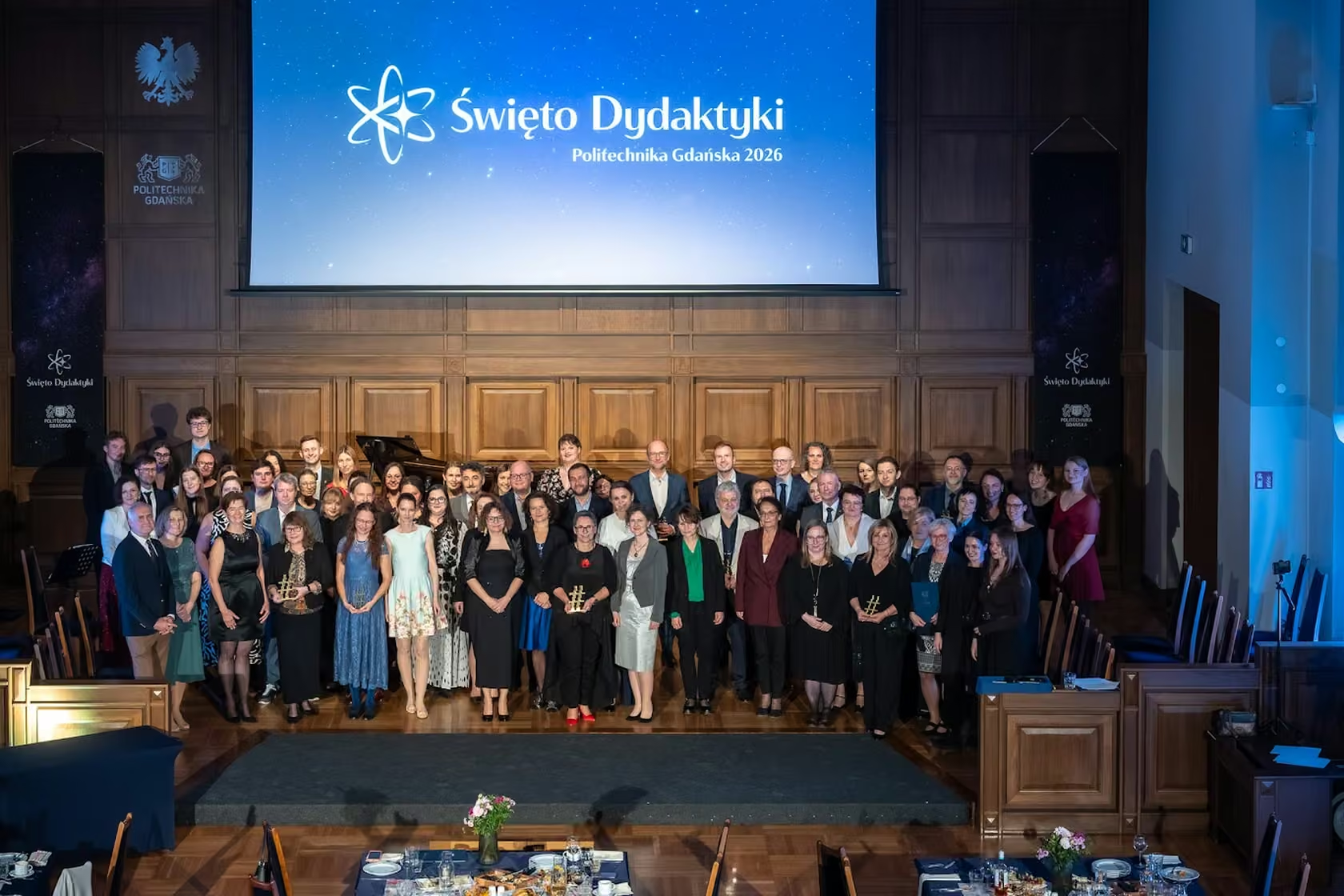
Teaching that inspires. Students who appreciate it. "Teaching Celebration" Gala at Gdańsk Tech
Science
Successes
University life
2026-10-15
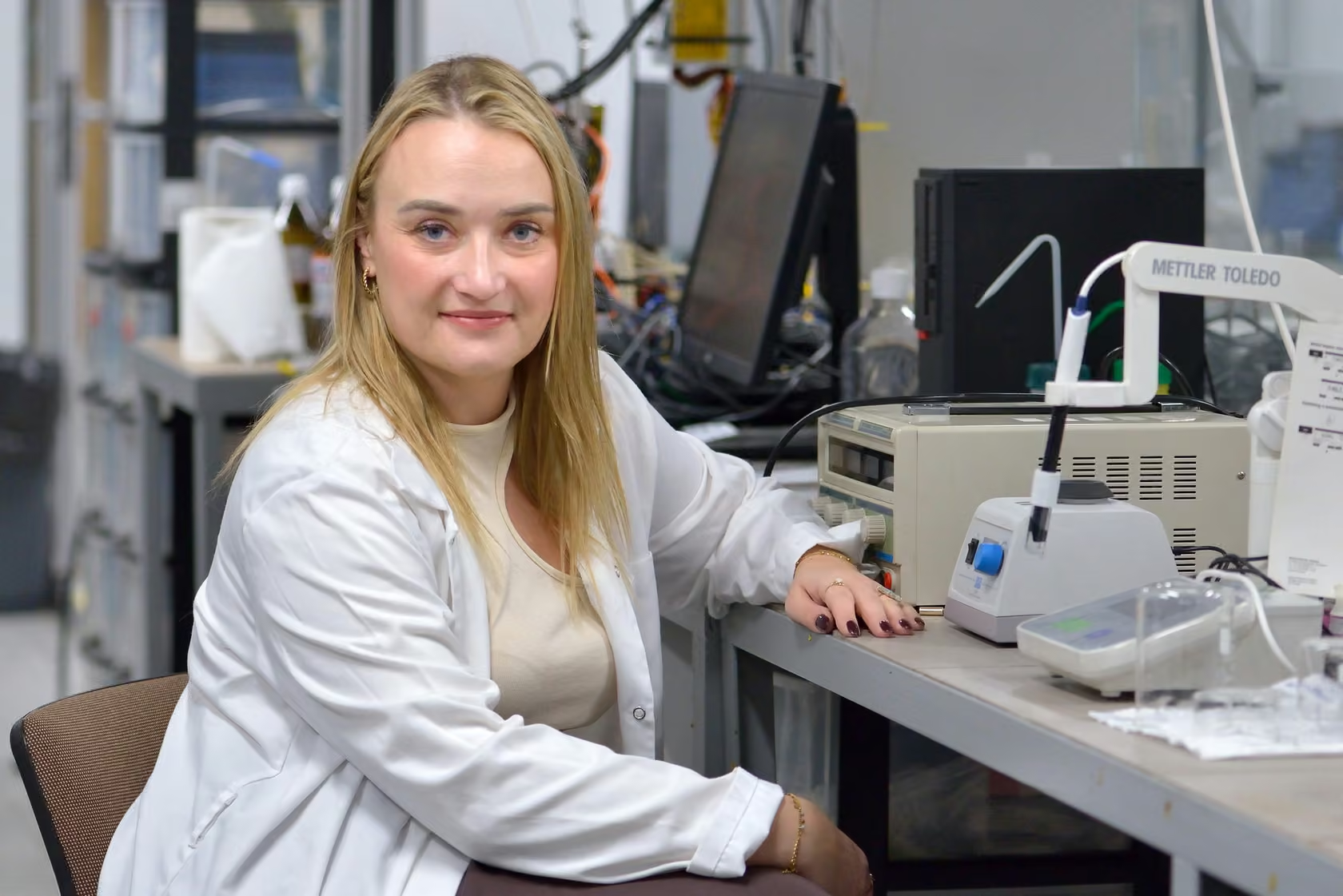
Electronics that adapts to the brain. PLN 4 million for a researcher from Gdańsk Tech
Students
University life
2026-10-15
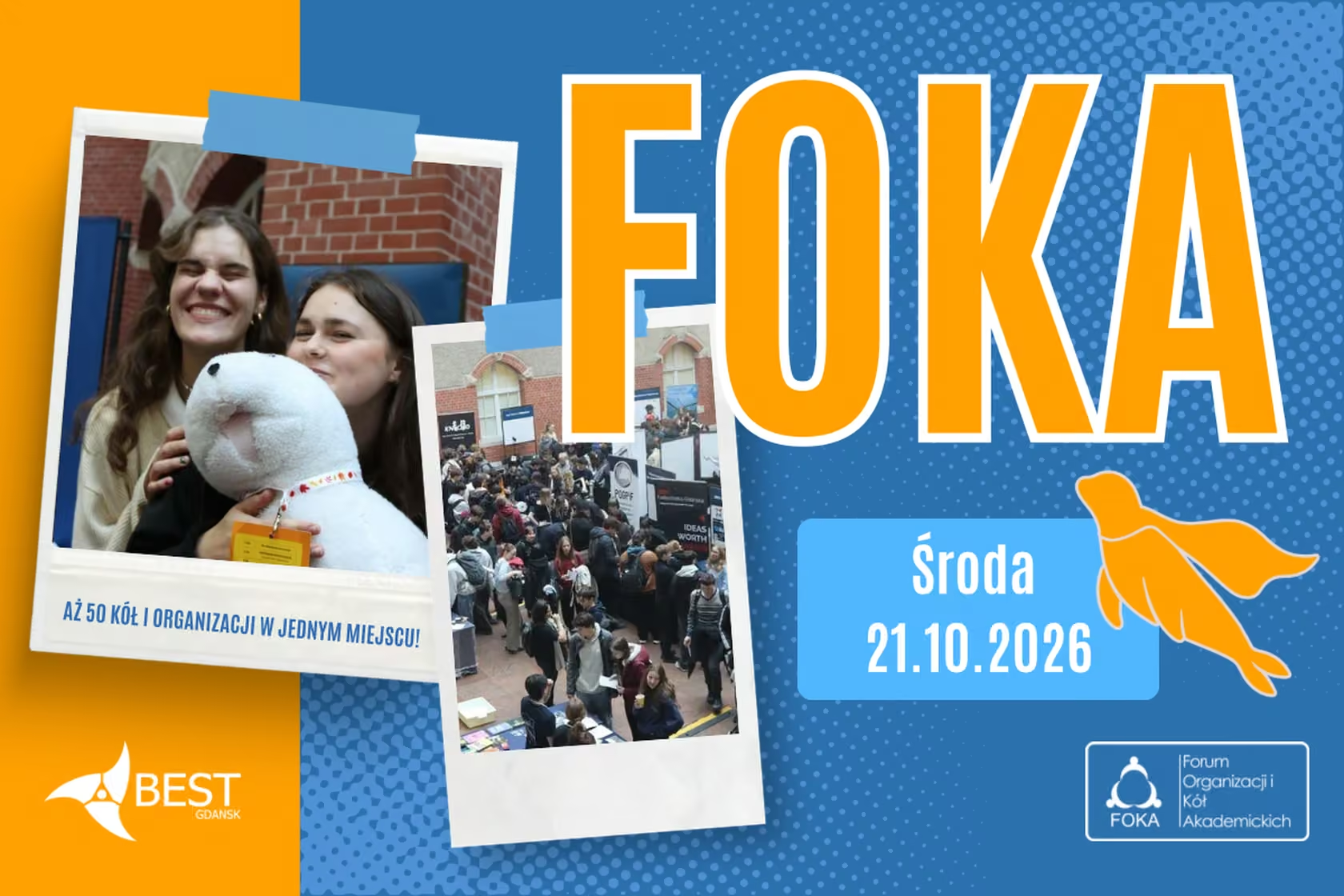
50 clubs and organizations in one place. FOKA at Gdańsk Tech again
Science
Cooperation
2026-10-14
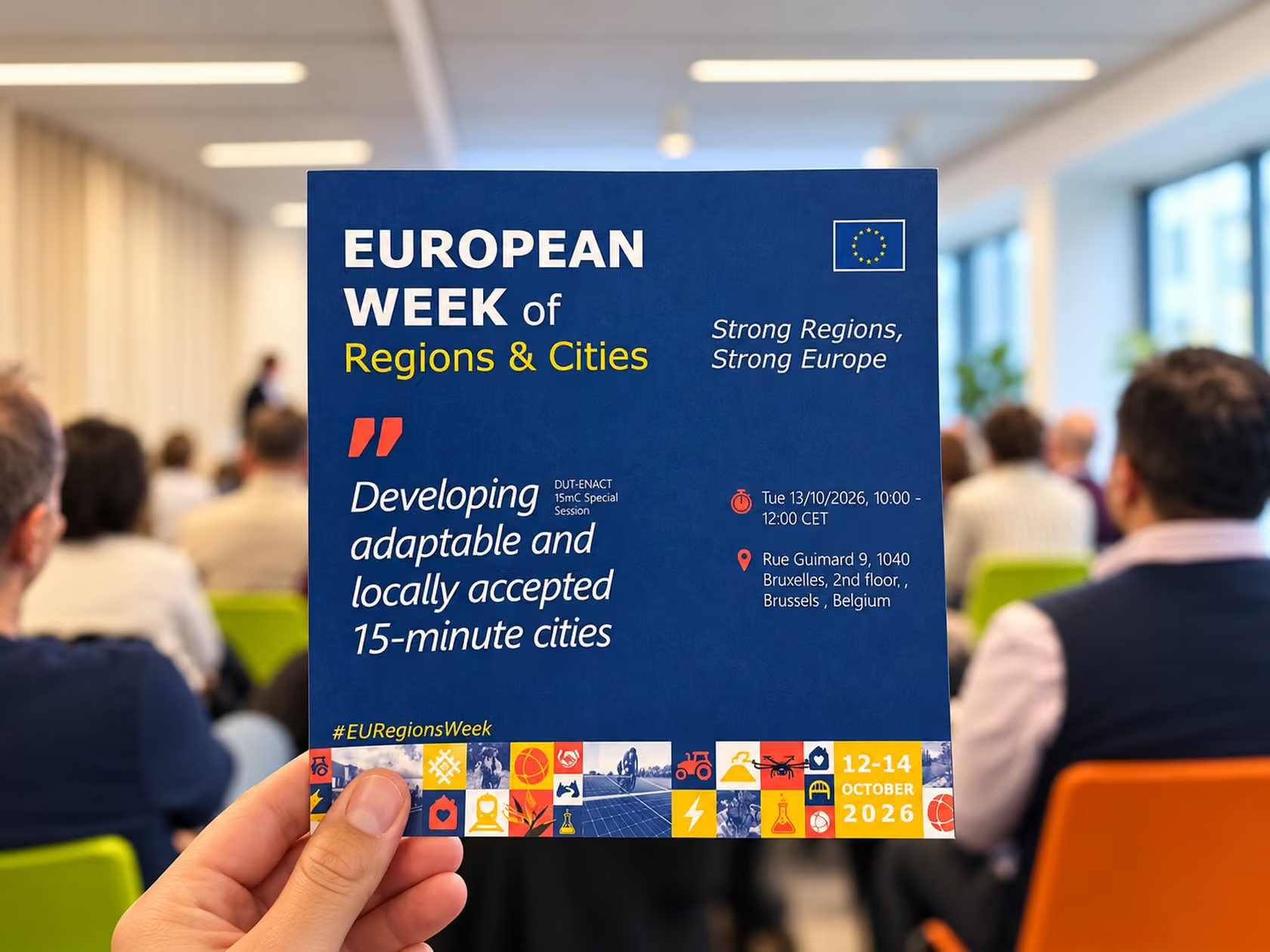
City of the future designed together with residents. Gdańsk Tech scientists presented their solutions in Brussels
Fahrenheit Universities
University life
2026-10-14
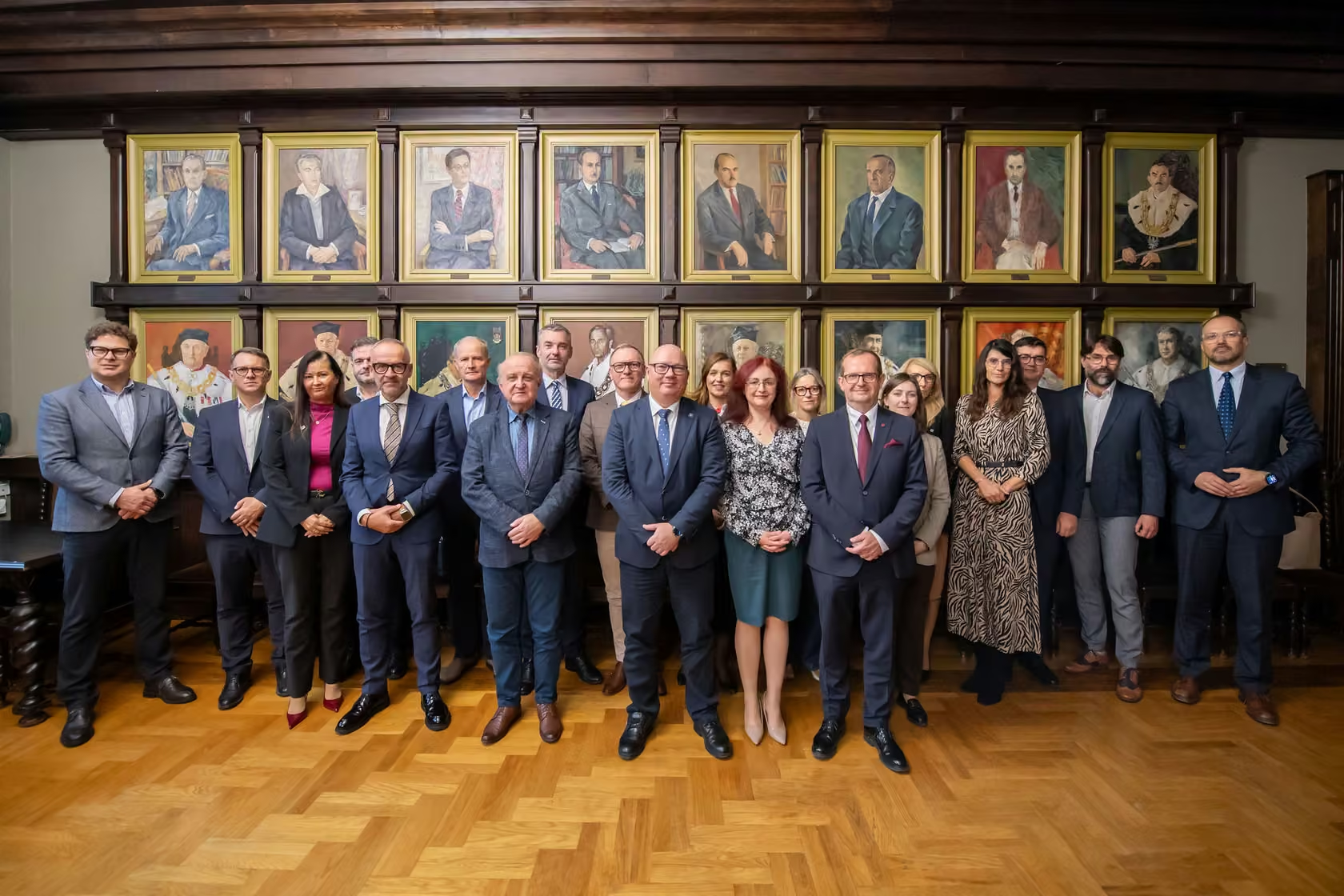
FarU Presidency Handover and First Assembly Meeting with Five Member Universities
Education
University life
2026-10-14
Children's Literature Festival at Gdańsk Tech
Beyond 7 mountains, beyond 7 dunes, beyond 7 books and beyond 7 ideas... the 13th Children's Literature Festival, among others, at Gdańsk Tech together with the Gdańsk Tech Library!
Science
2026-10-14
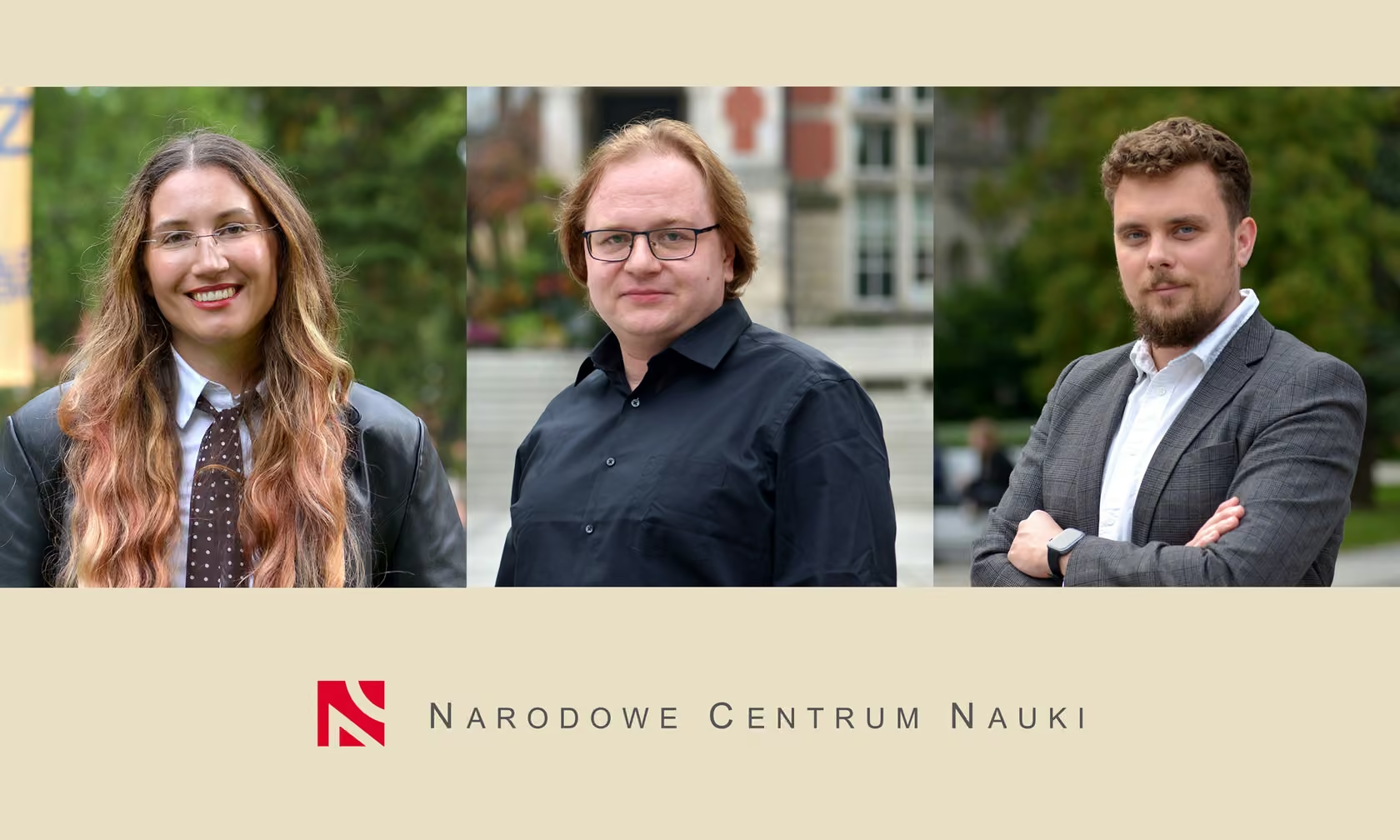
Miniatura 10. NCN will support three more innovative projects at Gdańsk Tech
Education
2026-10-14
Thank you for the knowledge, passion, and inspiration
Science
2026-10-13
More and more Gdańsk Tech scientists among the TOP 2% most influential scientists in the world
PhD students
Students
Fahrenheit Universities
2026-10-13
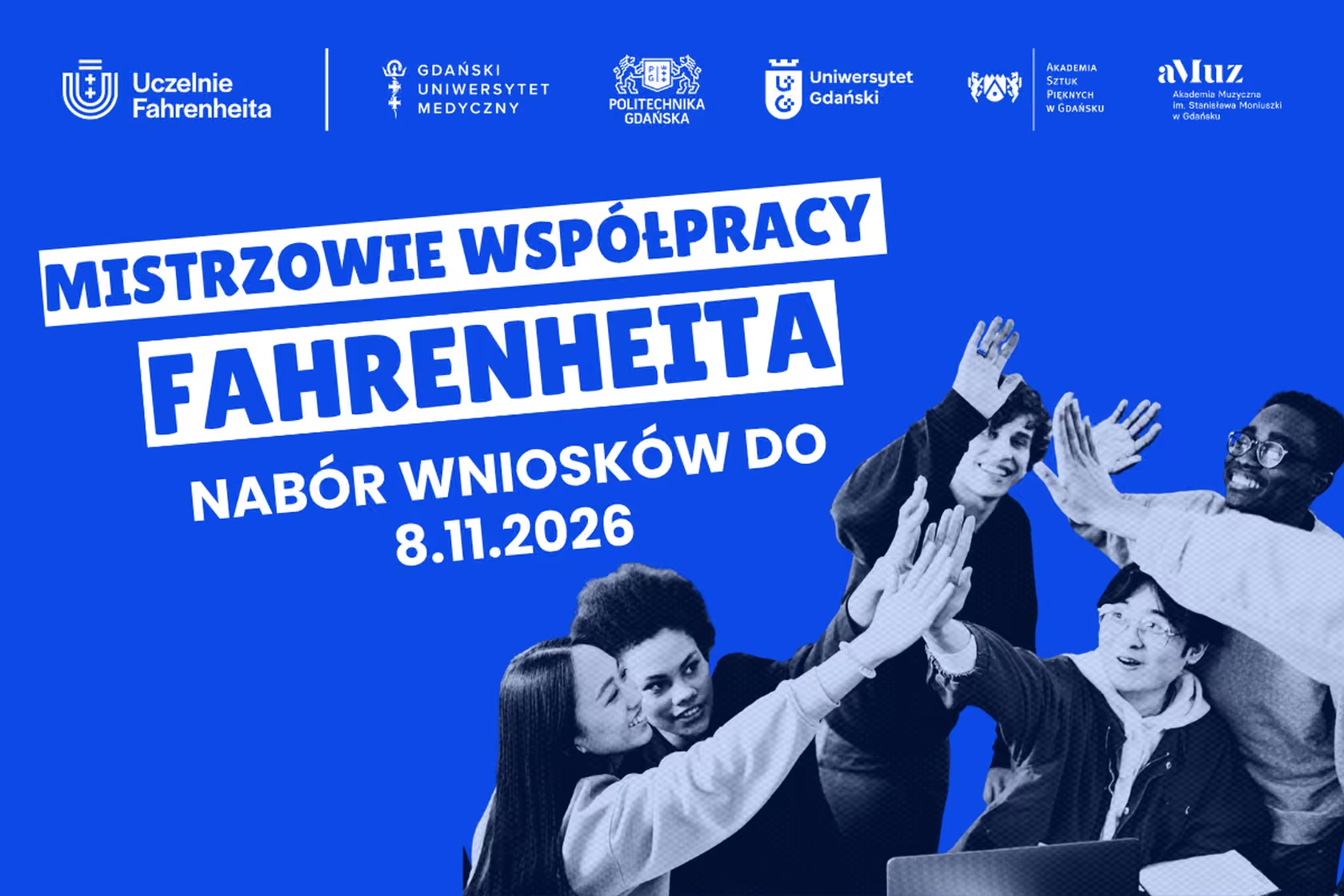
Masters of Collaboration Wanted
University life
2026-10-12
[PG in the Media] Fahrenheit University Parade, Innovative Packaging, and New Opportunities for Epilepsy Treatment
Science
2026-10-12
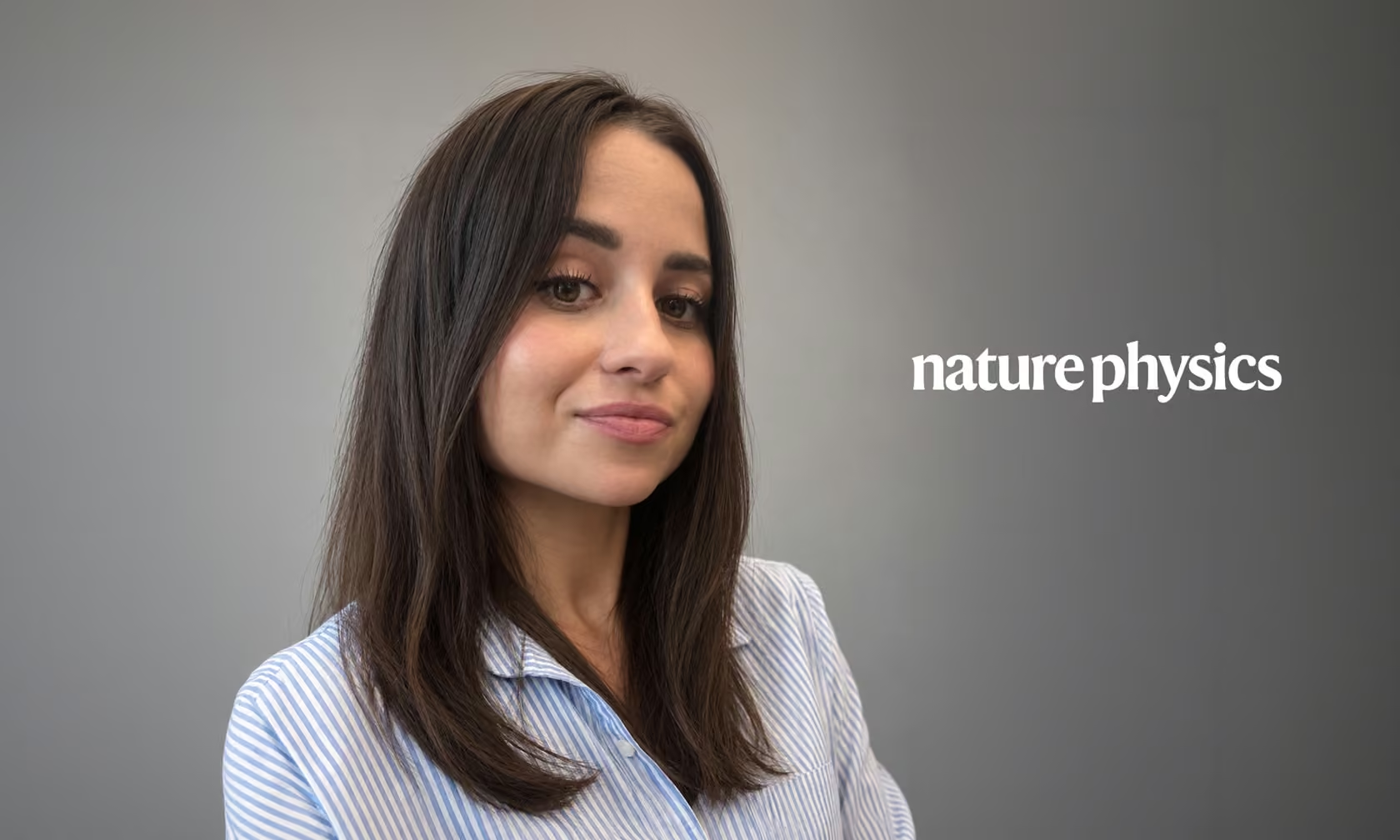
Discovering the Mysteries of Magnetism. Researcher from Gdańsk Tech Co-Author of a Publication in “Nature Physics”
1
2
3
4
5
6
7
8
9
Next page

%20(1).jpg)