Urban Miedza at Gdańsk Tech. New habitats for wild pollinators are being created on the campus
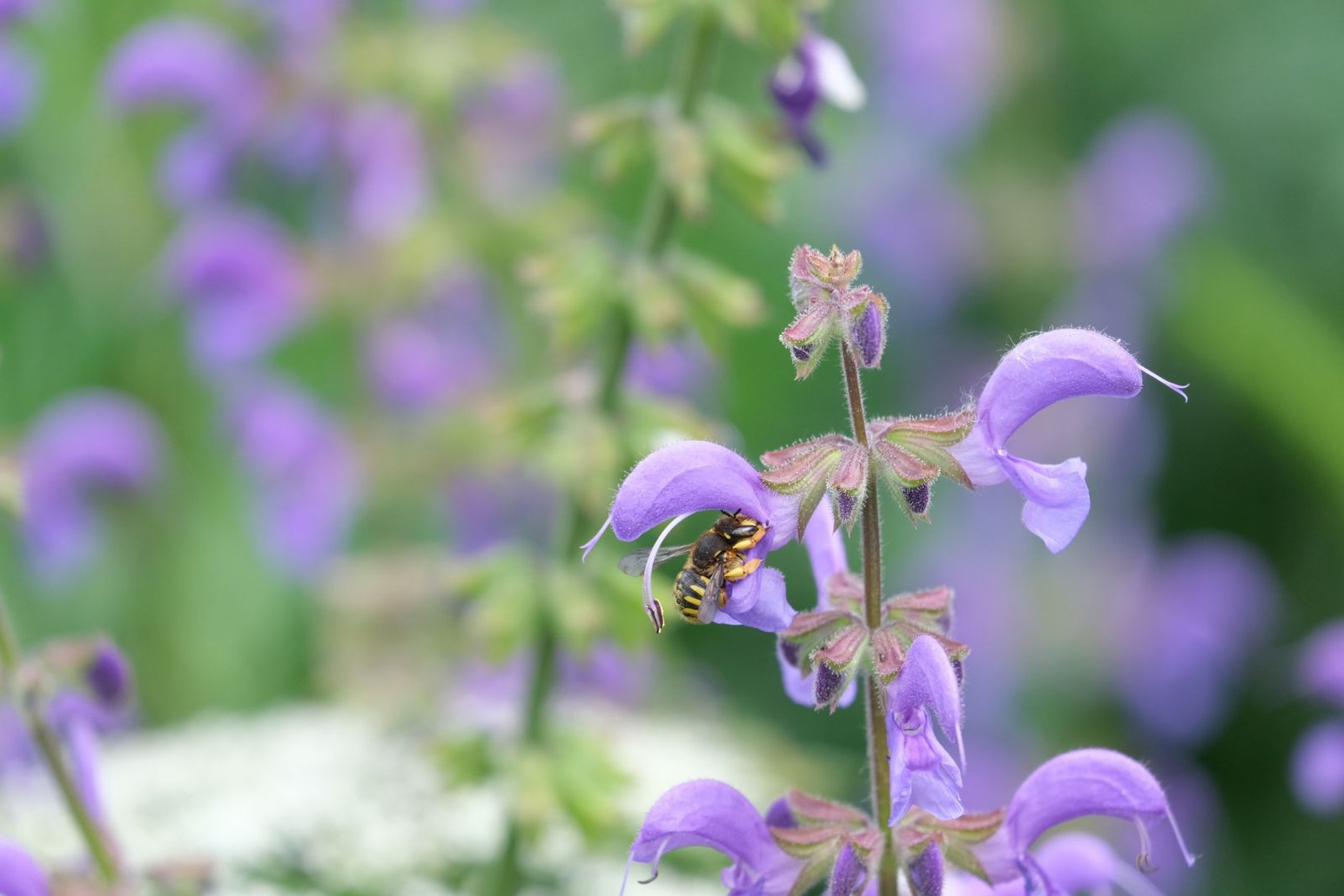
Can the campus of a technical university become a place for nature conservation and biodiversity research? At Gdańsk Tech, the answer is definitely yes. On the campus, the project "Establishment of semi-natural meadows on the grounds of Gdańsk Tech as habitats for pollinators and an area for biodiversity research" is being implemented. Its goal is to create new habitats for wild pollinating insects and to develop green infrastructure that supports education and scientific activity.
Can the campus of a technical university become a place for nature conservation and biodiversity research? At Gdańsk Tech, the answer is definitely yes. On the campus, the project "Establishment of semi-natural meadows on the grounds of Gdańsk Tech as habitats for pollinators and an area for biodiversity research" is being implemented. Its goal is to create new habitats for wild pollinating insects and to develop green infrastructure that supports education and scientific activity.
The project is implemented as part of the Miejska Miedza initiative and was co-financed by the Regional Fund for Environmental Protection and Water Management in Gdańsk. The amount of funding was PLN 20,000 and covered all eligible costs of the undertaking.
Pollinator-friendly Campus
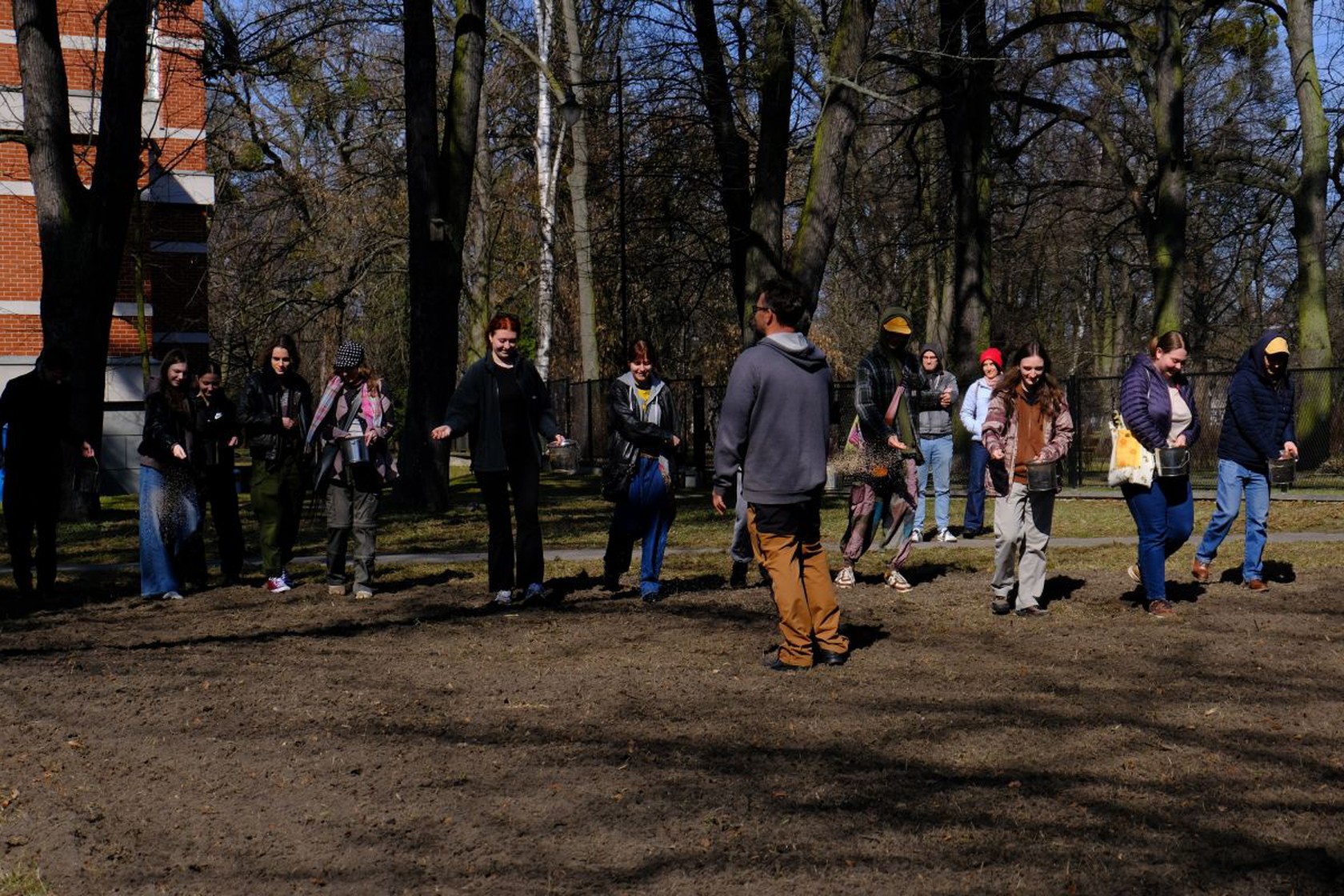
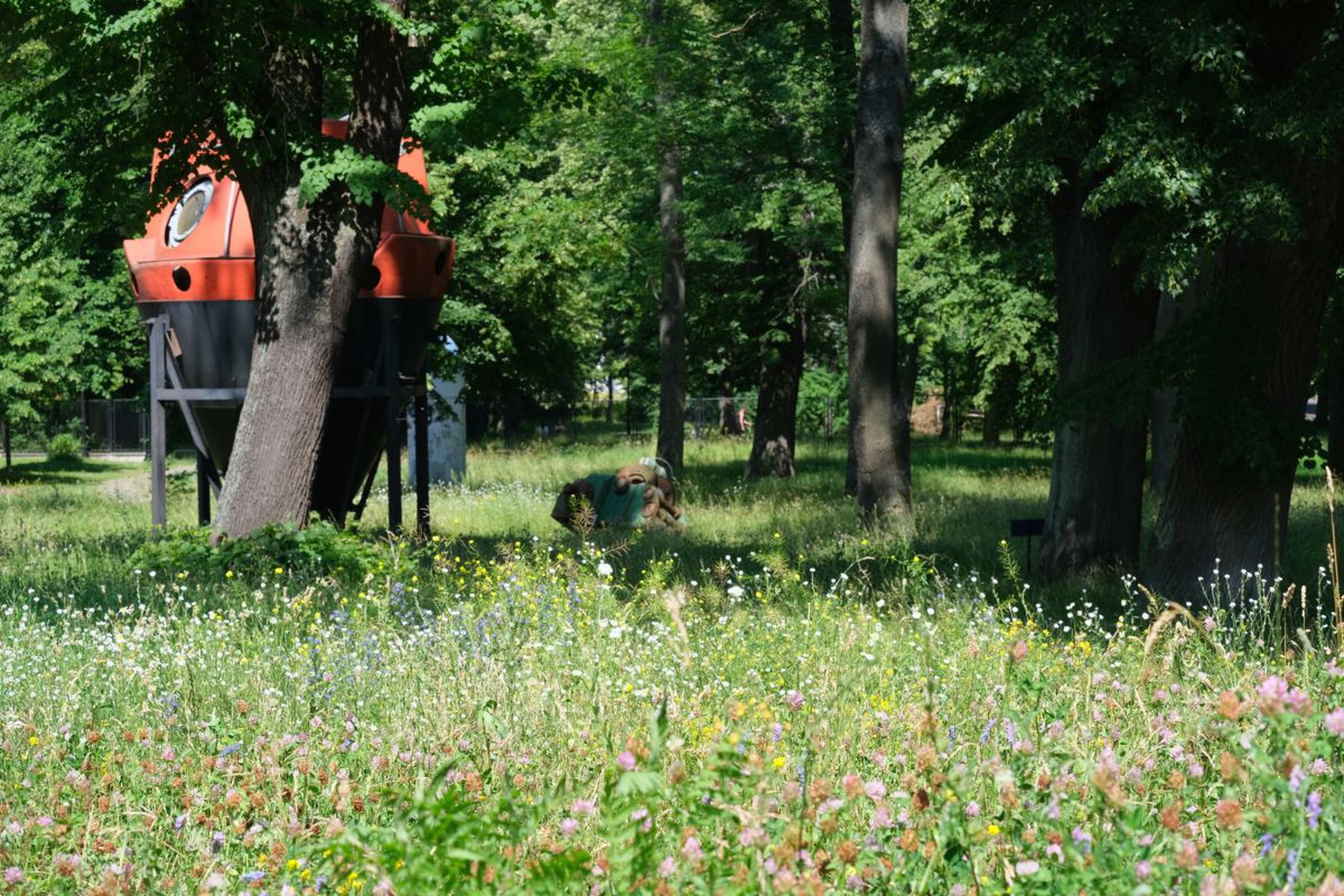
As part of the project, existing lawns with high ecological potential were enriched with native plant species, thus acquiring the character of semi-natural habitats: fresh meadow, psammophilous grassland, and Molinia meadow. In total, mixtures comprising about 117 species of native plants were sown, intended to provide insects with access to food throughout the entire growing season.
The new habitats provide shelter for wild bees, butterflies, and other pollinating insects, whose importance for ecosystem functioning and food security cannot be overstated.
Education, Science, and Nature Conservation
The project is not limited solely to land development activities. An integral part of the initiative also includes educational activities comprising lectures dedicated to pollinator protection and workshops on building nesting aids for wild bees.
Concurrently, natural monitoring is conducted to observe changes occurring in newly established habitats and to assess their impact on local biodiversity.
An important aspect of the project is its scientific potential. The emerging habitats will be used as a research space for analyses concerning pollinating insects, the functioning of urban ecosystems, and the role of green infrastructure in mitigating the effects of urbanization.
The project is led by Dr. hab. Eng. Robert Tylingo, prof. Gdańsk Tech, Faculty of Chemistry at Gdańsk Tech.
Green Infrastructure for the Future
The newly created meadows bring a range of environmental benefits. They increase the biodiversity of the campus, improve water retention in the soil, mitigate the effects of drought, and create new habitats in the heavily urbanized city space. By reducing intensive mowing and introducing species-rich vegetation, the campus becomes more friendly both to nature and the academic community.
The project is the first stage of the development of the Miejska Miedza initiative, which aims to combine nature conservation, education, and scientific research within the space of the Gdańsk Tech campus. The initiator of the initiative and coordinator of the project is Bolesław Jacaszek.