Development of Energy Infrastructure in Pomerania. Expert Debate at Gdańsk Tech
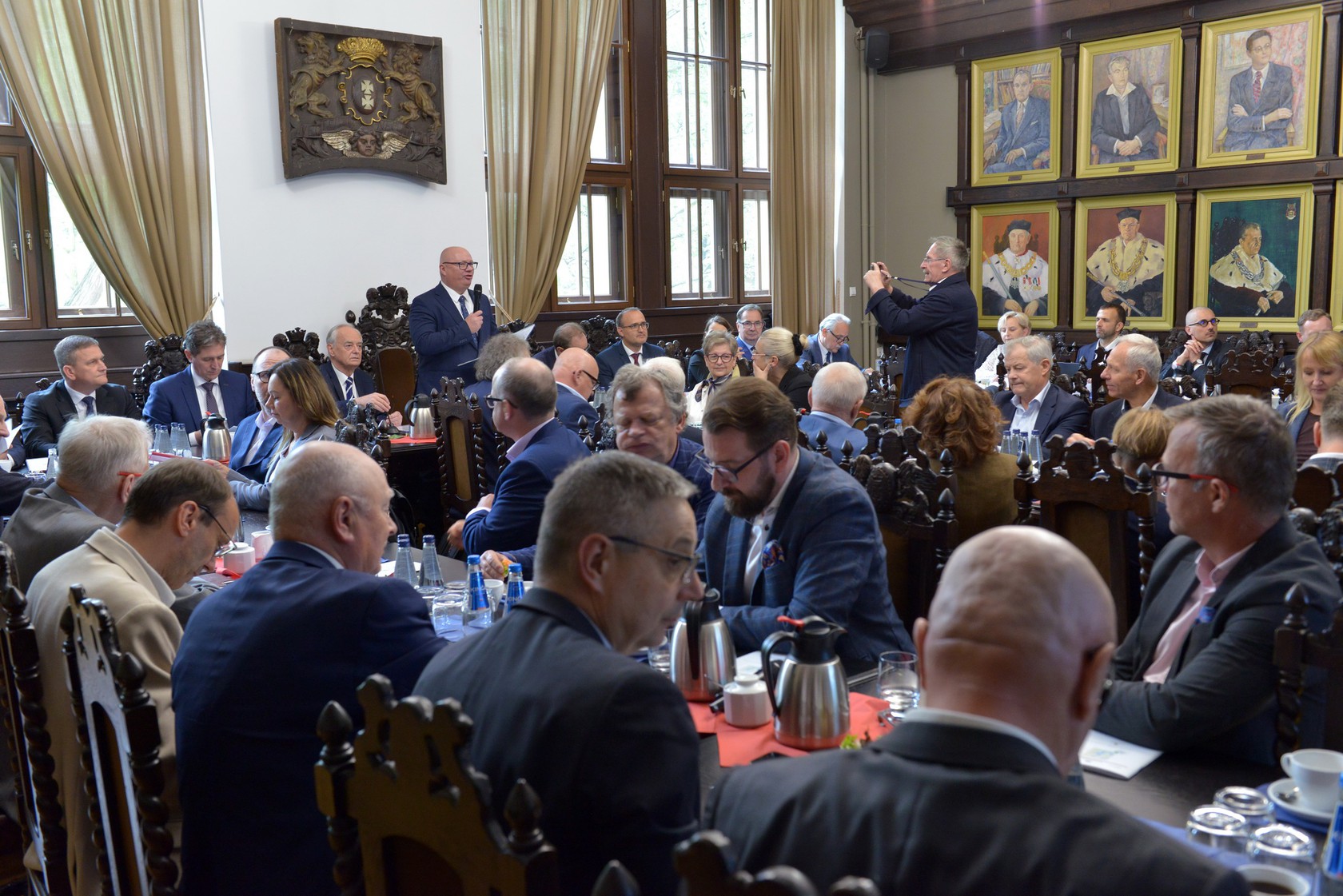
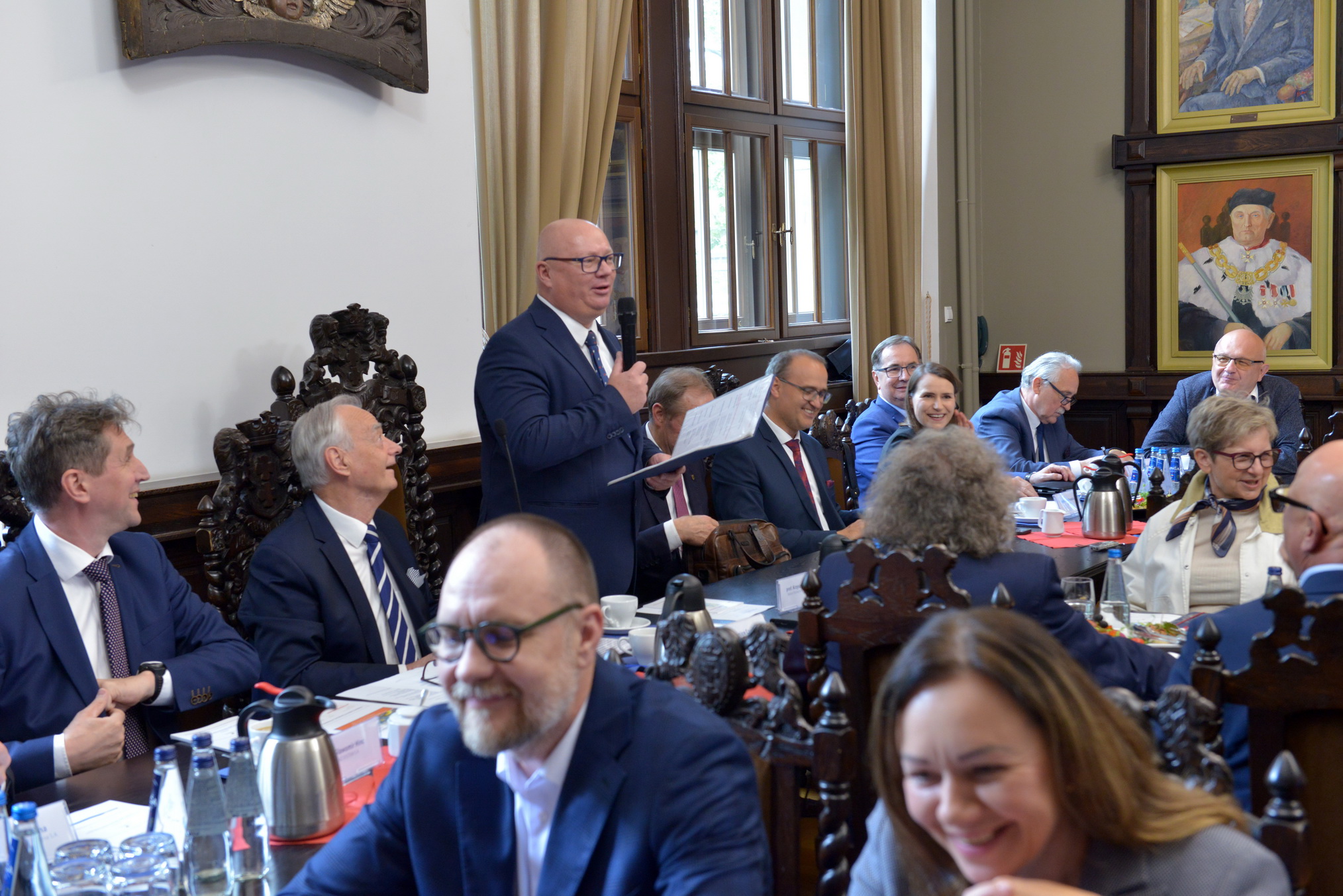
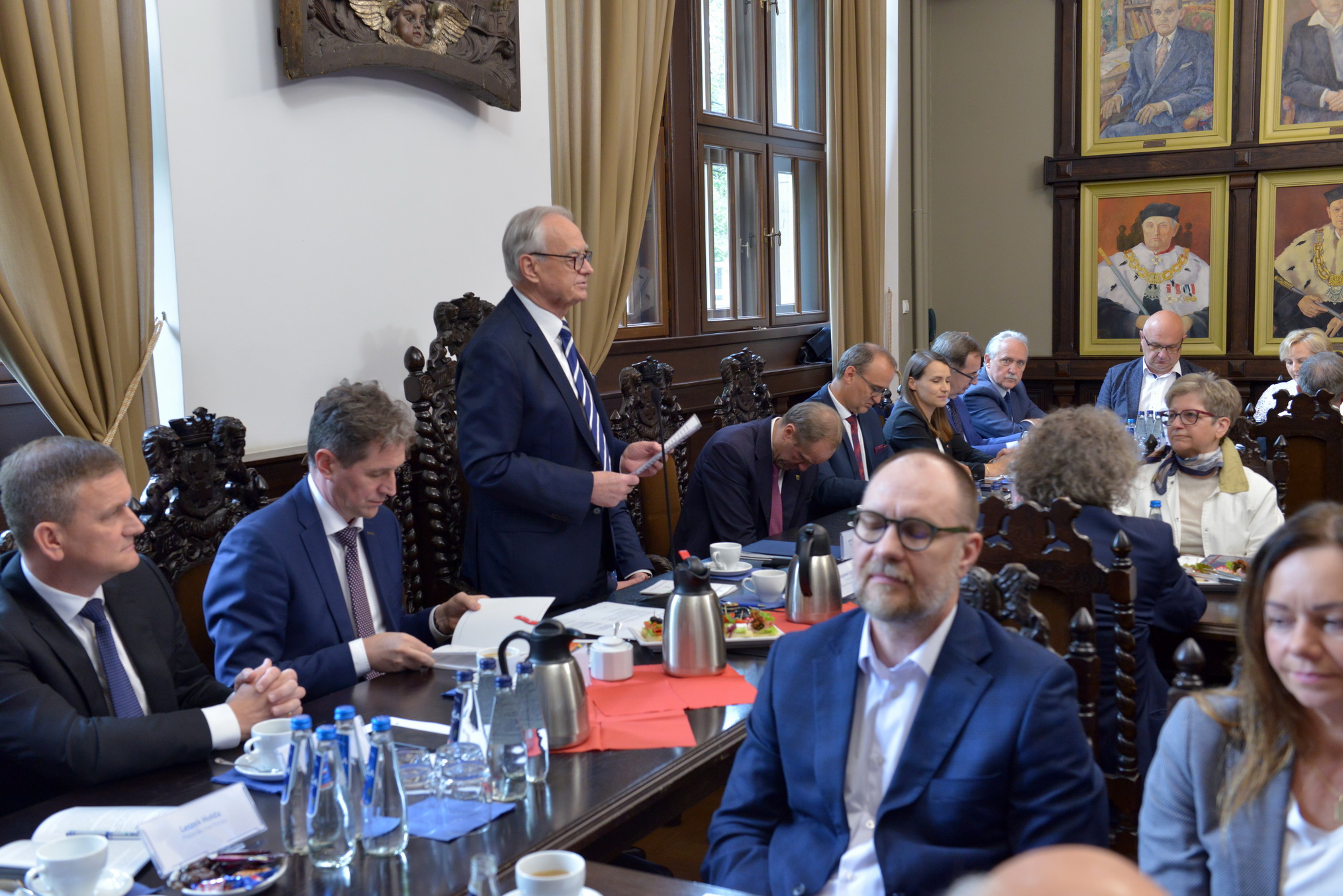
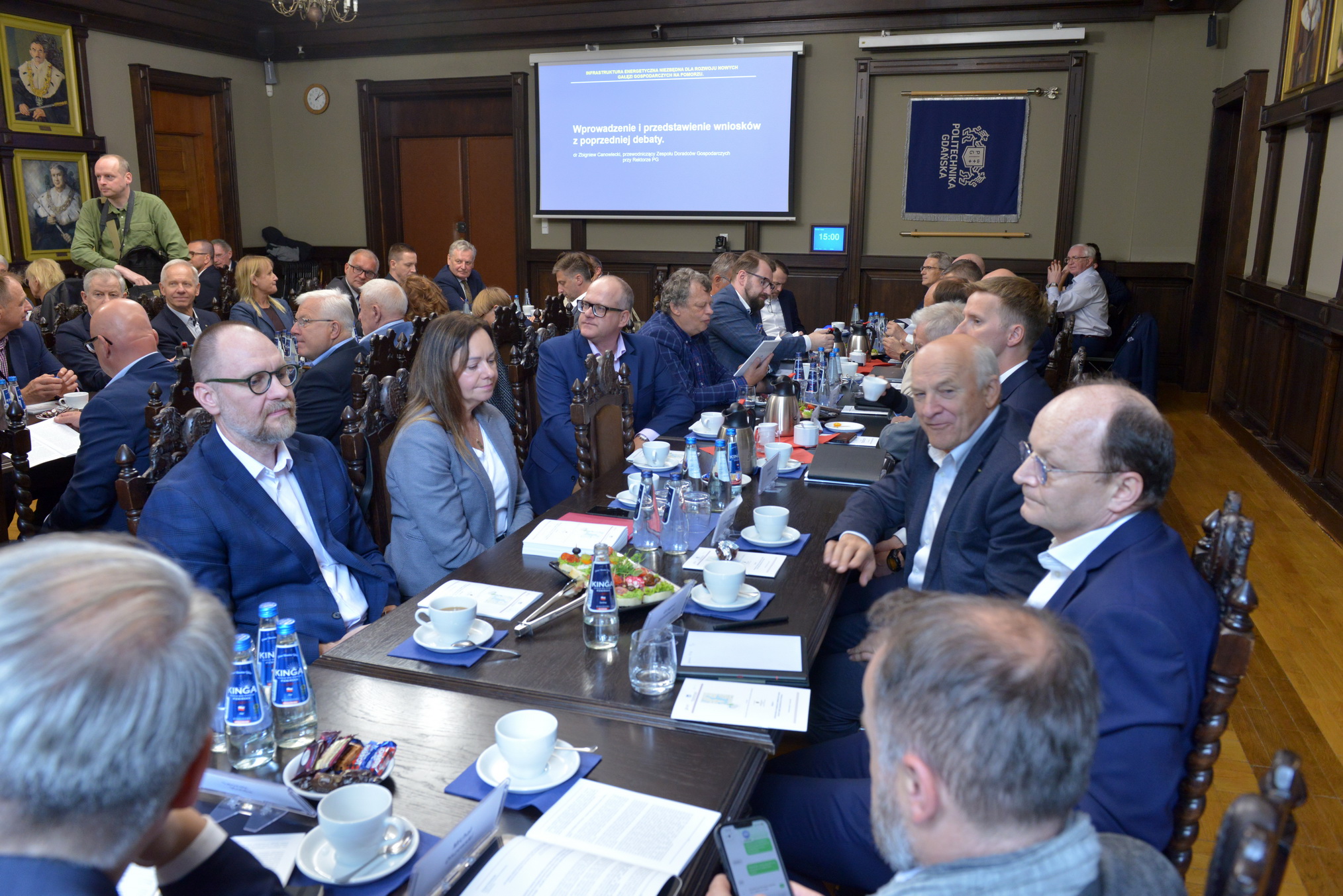
On Monday, June 15, another debate dedicated to the development of Pomerania took place at Gdańsk Tech. The discussions focused on the energy infrastructure in the region, and the event was attended by the team of economic advisors to the Rector of Gdańsk Tech, which includes representatives of government, science, and industry.
On Monday, June 15, another debate dedicated to the development of Pomerania took place at Gdańsk Tech. The discussions focused on the energy infrastructure in the region, and the event was attended by the team of economic advisors to the Rector of Gdańsk Tech, which includes representatives of government, science, and industry.
In cooperation with Employers of Pomerania and the Baltic Institute for Energy Transformation, a new series of debates under the common title: “Pomeranian Voivodeship as a Development Pole of Poland in the Baltic Sea Region” was initiated at Gdańsk Tech. The first meeting, held at the end of March, was dedicated to the energy transformation as a lever for the development of Pomerania.
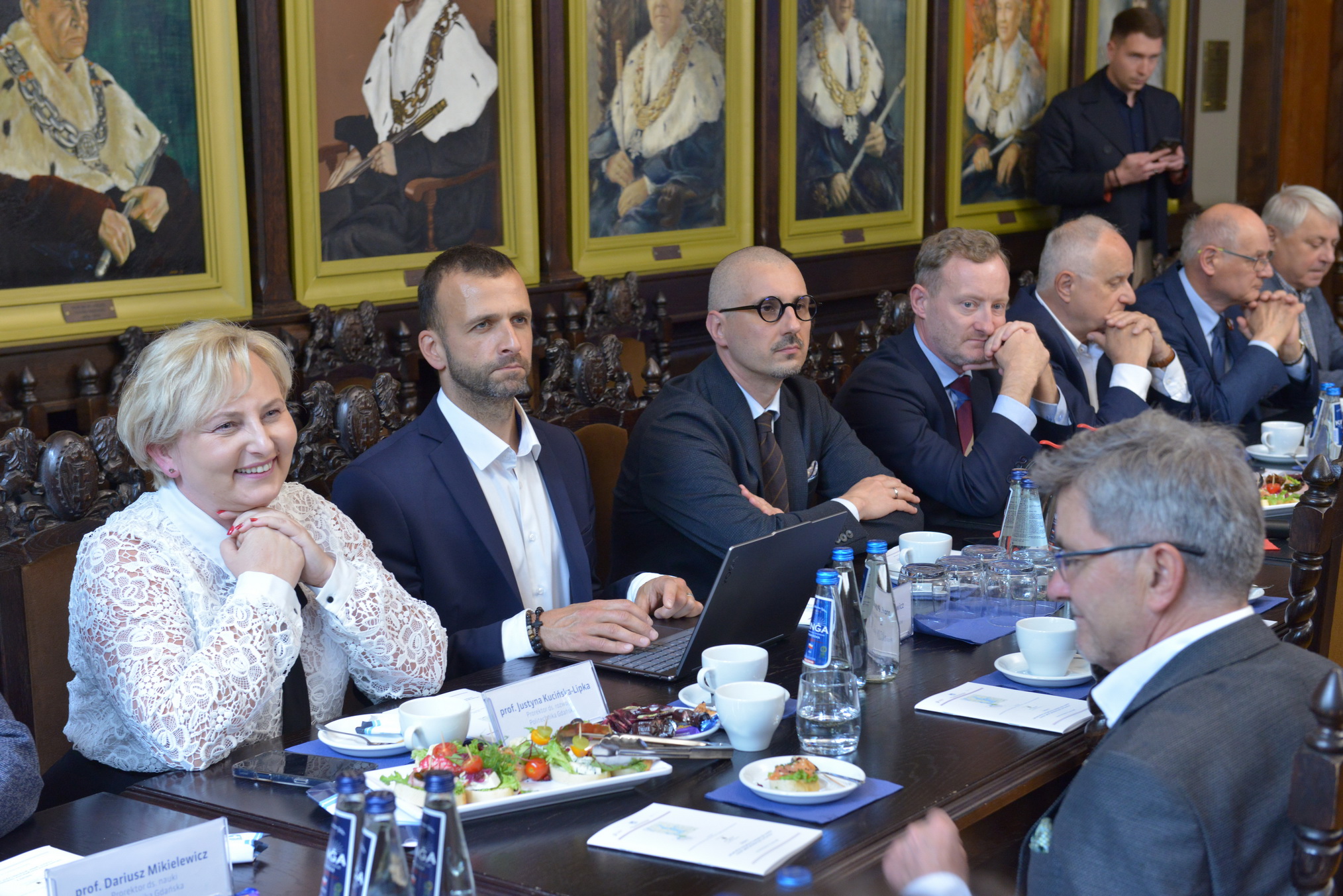
The next debate, entitled “Energy Infrastructure Necessary for the Development of New Economic Branches in Pomerania,” took place on Monday, June 15. The discussions were held in the so-called golden triangle, involving representatives of authorities, academia, economy, as well as culture, media, and experts from various fields.
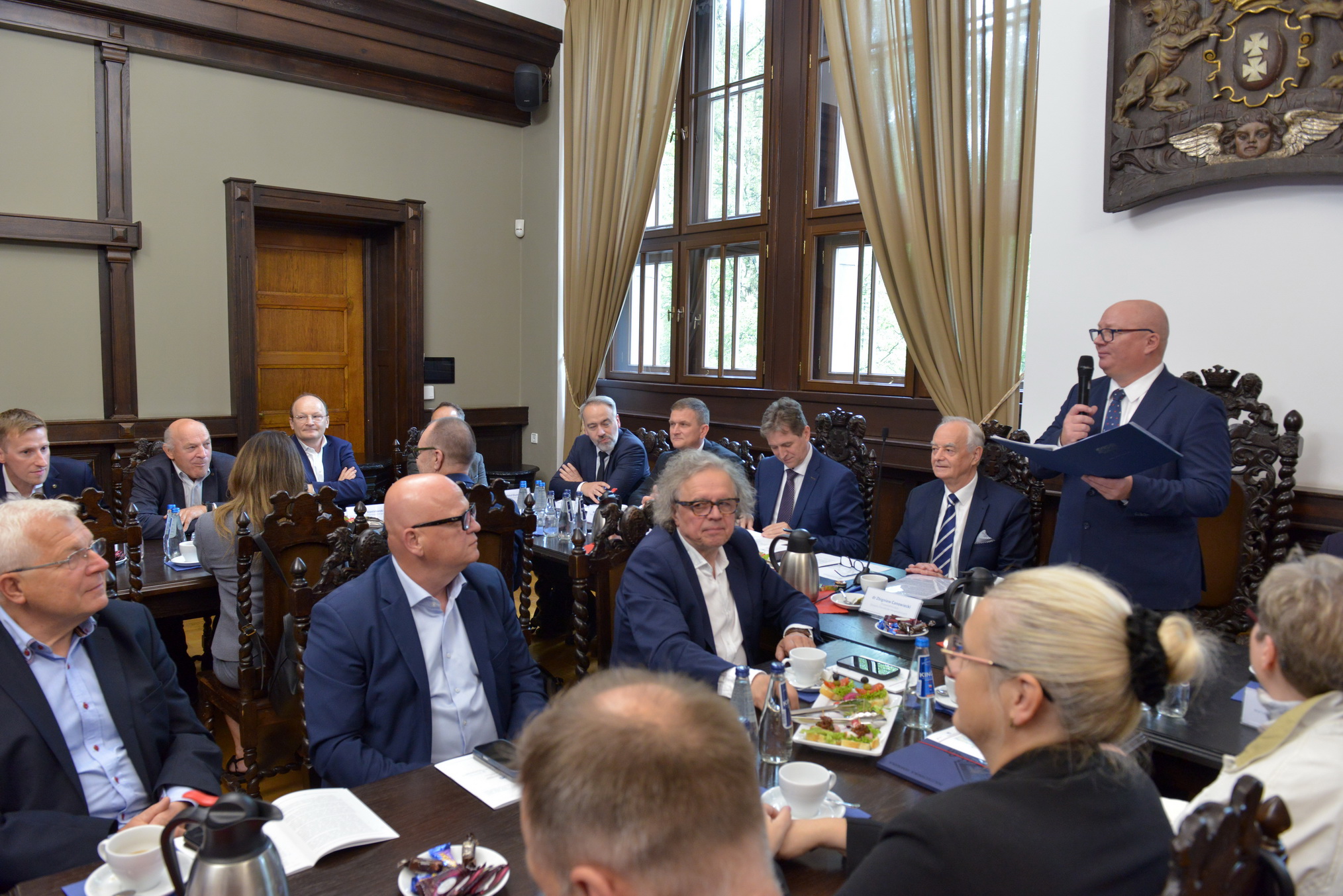
The event was officially opened by Prof. Krzysztof Wilde, Rector of Gdańsk Tech, who welcomed the guests in a brief speech and expressed hopes for further fruitful discussions.
– Pomerania faces a unique opportunity. We cannot waste it. Our common goal is to utilize the potential of our region to the fullest extent – said the Rector of Gdańsk Tech.
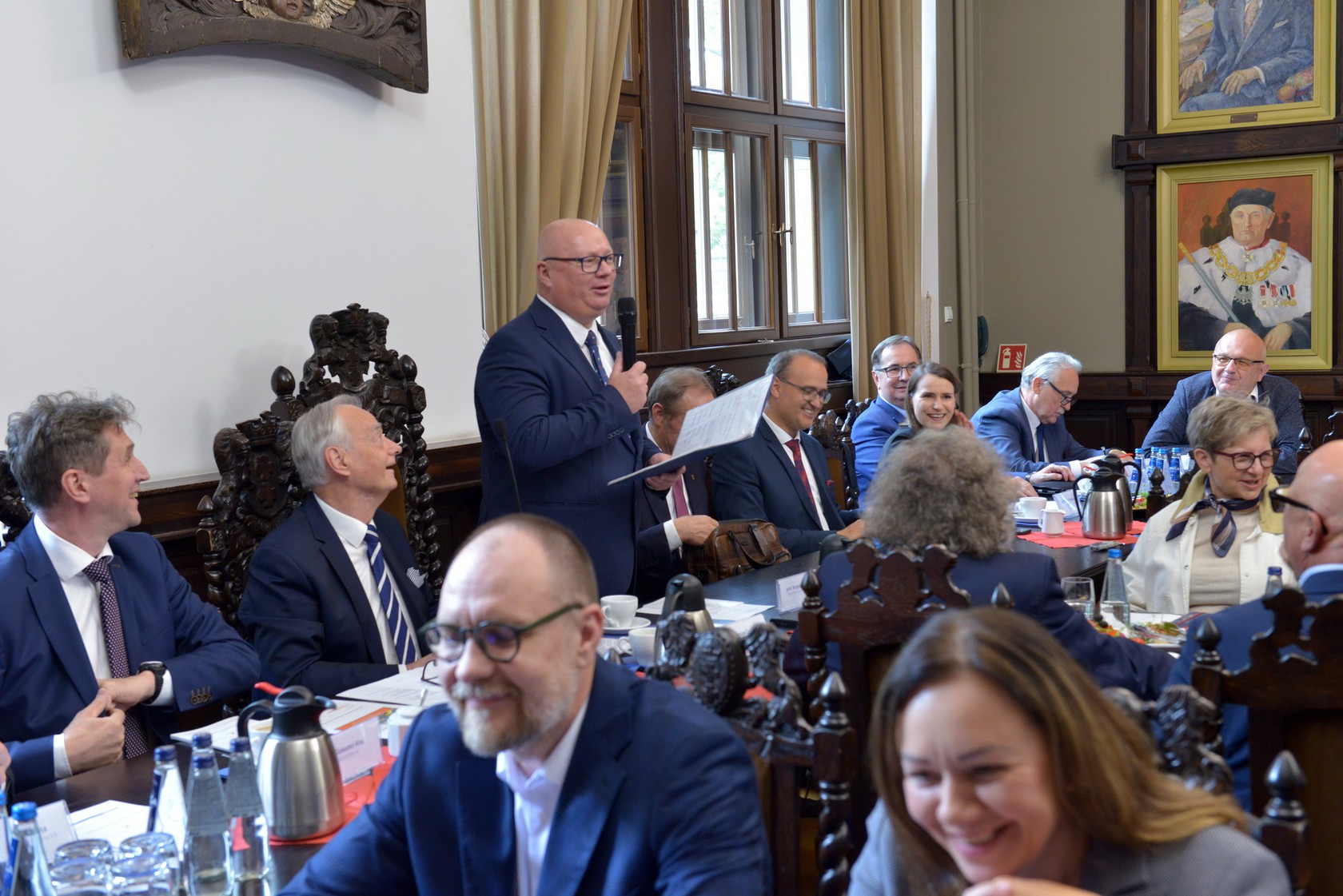
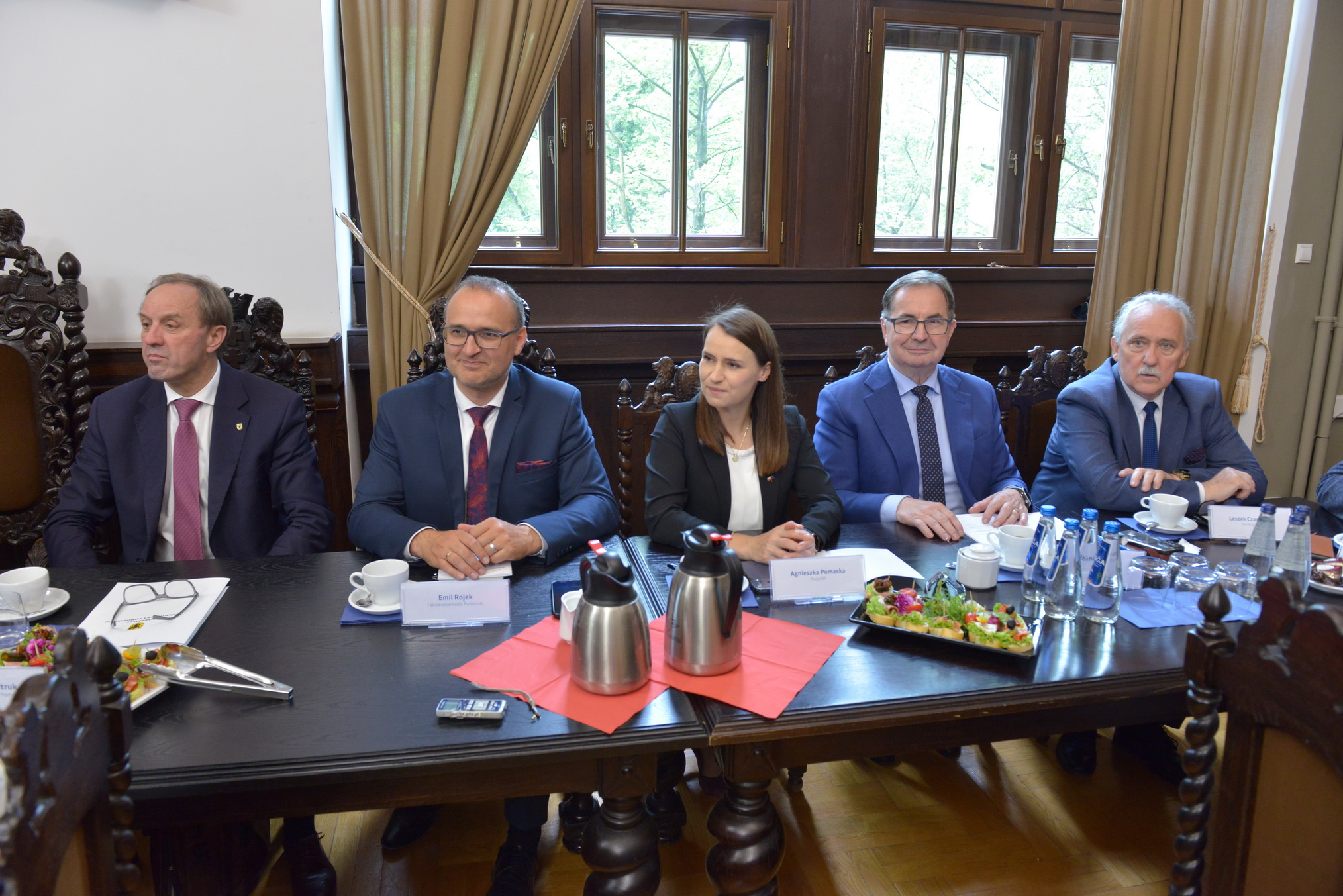
The event was attended by Mieczysław Struk, Marshal of the Pomeranian Voivodeship, Agnieszka Pomaska and Stanisław Lamczyk, members of the Polish Parliament, Leszek Czarnobaj, Senator of the Republic of Poland, Emil Rojek, Vice Voivode of Pomerania, PhD Zbigniew Canowiecki, President of the Employers of Pomerania and Chairman of the Economic Advisory Team at the Rector of Gdańsk Tech, Michał Olszewski, Vice President of the Board of Polish Nuclear Power Plants, Leszek Hołda, President of the Board of Bechtel Poland, Włodzimierz Mucha, Vice President of the Board of Polskie Sieci Elektroenergetyczne, PhD Sławomir Hinc, President of the Board of Gaz-System, Grzegorz Stanisławski from the Baltic Institute of Energy Transformation, Paweł Olechnowicz, Advisor to the President of the Management Board of Orlen S.A., as well as representatives of higher education institutions and local companies.
Cooperation as the Key to Success
The meeting included three presentations. The first lecture was delivered by Grzegorz Stanisławski from the Baltic Institute of Energy Transformation. He presented best practices from European Union countries related to the development of energy infrastructure essential for the energy transition.
As he pointed out, experiences from the Netherlands, Denmark, Germany, Sweden, and initiatives carried out in the Baltic Sea Region indicate that the success of the transition depends not so much on the scale of investments in renewable sources but on the ability to simultaneously develop network infrastructure, the flexibility of the power system, and new models of cooperation between transmission system operators, distribution system operators, local governments, and investors.
Scientific and research centers should play a special role in building these cooperation models as they can become a source of new competencies essential for offshore energy, nuclear energy, digital energy, and hydrogen energy. The energy transition will primarily be a competency transformation, requiring new qualifications in engineering, data management, artificial intelligence, cybersecurity, and energy system management.
Important Investments in the Region
Next, Włodzimierz Mucha, Vice President of the Board of Polskie Sieci Elektroenergetyczne, spoke about the planned development of transmission infrastructure in Pomerania. PSE's ambition is to prepare the National Power System by 2035 to be ready for safe and stable operation under a zero-emission energy mix. Therefore, in the coming decade, the construction of transmission lines totaling approximately 4,500 km and the commissioning of 29 new power stations are planned. In Pomerania, stations are to be built in Choczewo and Krzemienica, and stations in Gdańsk and Słupsk, among others, are to be expanded or modernized.
The final speaker was PhD Sławomir Hinc, President of the Board of Gaz-System, which is currently constructing a floating FSRU gas terminal in the Gulf of Gdańsk. Its purpose is to ensure diversification, stability, and security of gas supplies. The company also aims to play an active role in the process of transformation and decarbonization of the Polish economy by conducting projects related to the transmission of biomethane and hydrogen. President Hinc discussed the importance of the program and presented its schedule.
This was followed by a discussion during which participants referred to the earlier presentations. The entire meeting concluded with a speech by the Marshal of the Voivodeship, Mieczysław Struk.